0%

Choosing the right Pallet Rack Systems in China starts with warehouse needs, not a catalog photo. Chinese manufacturers offer options for different storage densities, pallet sizes, and material-handling equipment. Yet no design is “best” for every operation. A selective rack may suit varied stock and direct access, while drive-in or push-back designs can increase density for compatible inventory. Pallet flow systems may help manage stock rotation, but require careful attention to product and operating conditions. Small details matter. A few centimeters can affect clearances.

A useful comparison considers more than price. Check the proposed load ratings, beam and upright specifications, anchoring details, and layout drawings. Confirm that the design accounts for your actual pallet dimensions, forklift turning space, floor conditions, and sprinkler clearances. Ask suppliers how they verify materials and production quality, and request relevant project references or inspection records. Photos help, but they do not prove capacity. Independent engineering review may be appropriate for complex or high-density layouts. This guide compares common rack types and practical supplier-evaluation points, so buyers can ask more precise questions before requesting quotations. It also notes where trade-offs remain: denser storage can limit access, and the lowest quotation may omit important design or installation details. A careful decision depends on verified specifications and the way your warehouse operates.
What Are the Best Pallet Rack Systems in China?

What Pallet Rack Systems Are and How They Work

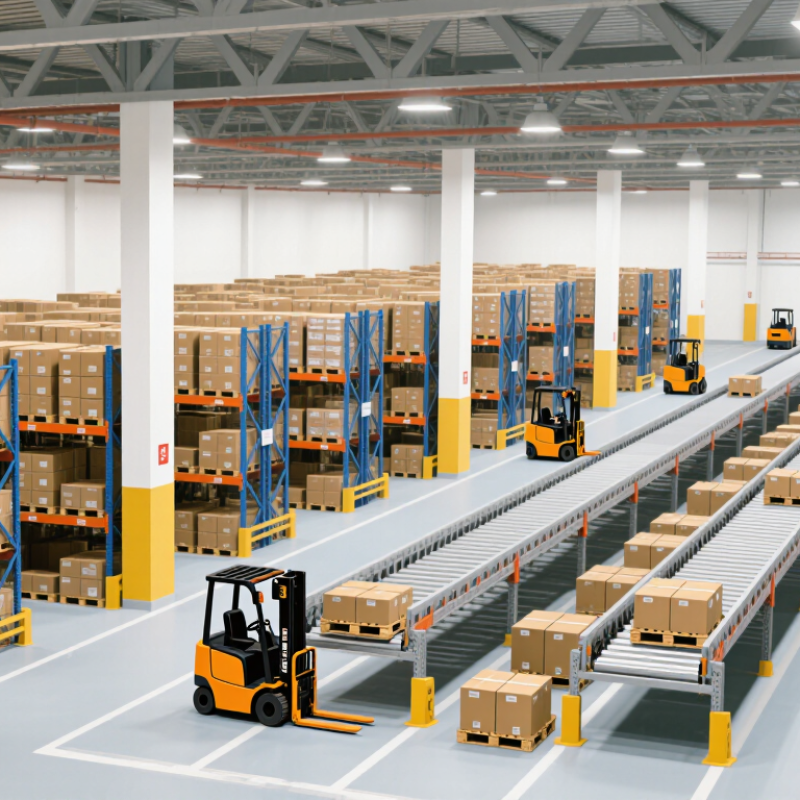
Pallet rack systems are steel structures that store palletized goods above the warehouse floor. Upright frames support horizontal beams, and each beam pair forms a level for pallets. Workers place loads with forklifts, following the rack layout and keeping pallets within marked positions. A typical selective rack gives forklifts access to every bay, while denser designs may limit access to some loads. That sounds simple. In practice, rack choice depends on pallet dimensions, inventory turnover, forklift type, and available aisle space.

The rack’s rated capacity matters. Loads should be distributed evenly, and beams, uprights, floor anchors, and clearances need regular checks. Selective racks suit varied stock because workers can reach individual pallets directly. Drive-in racks store more pallets in less space, but forklifts travel inside the structure, so loading order becomes important. Small details matter. A damaged upright or an overhanging pallet can create problems that a tidy layout drawing may not show. Warehouse teams should match the system to daily handling routines, then revisit the layout when products or equipment change. Even a well-planned installation may need adjustment after real operations reveal awkward turns or blocked sightlines.

Main Types of Pallet Rack Systems Available in China

Selective pallet racking is common in Chinese warehouses because forklifts can reach every pallet position. It suits mixed product ranges and frequent picking, though wide aisles may reduce storage density. A small warehouse with many product codes may value access more than extra capacity. Space is not free.

Double-deep racking stores pallets two positions deep, using compatible reach trucks to access the rear load. Drive-in systems let forklifts enter the rack lanes, making them useful for large batches of similar goods. Both increase density, but reduce selectivity. That matters when stock changes often.

Push-back and pallet-flow racks use gravity to move pallets along inclined rails. Push-back generally works well for several pallets of the same product, while pallet flow can support first-in, first-out rotation. Rail condition and pallet quality deserve attention; damaged boards can interrupt movement. There is no perfect layout. Compare pallet dimensions, load weights, forklift turning space, and daily stock turnover before choosing. Have qualified warehouse professionals verify floor capacity, anchoring, and beam-load information for the actual site. Even a careful plan can miss a practical detail: a support column may block a turning path.

How Rack Designs Meet Different Warehouse Storage Needs

What Are the Best Pallet Rack Systems in China?
How Rack Designs Meet Different Warehouse Storage Needs

The best rack depends on what moves through the warehouse, not just its ceiling height. Selective pallet racks give forklifts direct access to each load, making them practical for mixed products and frequent picking. For high-volume goods with fewer stock-keeping units, drive-in racks use deeper lanes to increase density. Pallet-flow systems use rollers to move stock forward, but they need consistent pallets and careful upkeep. Small details matter: aisle width, turning space, floor condition, and the actual load weight.

Automation is also changing storage plans. MHI’s 2024 Annual Industry Report found that 55% of surveyed supply-chain professionals planned to invest in robotics and automation within five years. That makes clear aisle layouts and compatible rack structures more important. Still, automation is not a cure-all. A dense layout can slow replenishment or complicate repairs. Measure real pallet sizes, forklift reach, and peak inventory before choosing a system. Then have a qualified engineer verify load capacities and anchoring for the site. A drawing is not a load test. The trade-off is easy to miss: extra storage positions may cost valuable access time.

Safety Standards and Quality Factors to Consider

Choosing pallet rack systems in China should begin with verified safety documentation, not catalog photos. Ask for rated load capacities for each beam level and bay, plus the assumptions behind them. Confirm that drawings match the actual aisle width, pallet dimensions, forklift type, and floor conditions. Small mismatches matter. A rack designed for one load pattern may be unsafe when operators store heavier goods unevenly.

Review applicable Chinese standards and project specifications with a qualified structural engineer or competent local inspector. Request material certificates, weld inspection records, and quality-control documentation. Check upright thickness, beam connectors, locking pins, base plates, and anchor details. These parts take real impact. Coating quality matters, but a smooth finish cannot prove structural strength. It is easy to overlook this distinction.

Before installation, verify slab capacity, anchor placement, clearances, and protection around exposed uprights. After installation, compare the finished rack with approved drawings and document any changes. Ask how damaged components should be identified and replaced, and schedule routine inspections for bent frames, loose anchors, or missing safety pins. A checklist helps. It will not catch everything; busy shifts and rushed forklift turns still create risk. That human factor deserves attention.

How to Choose a Pallet Rack System Supplier in China

Choosing a pallet rack supplier in China starts with your warehouse, not a catalogue. Share the pallet dimensions, loaded weight, forklift type, aisle width, and clear ceiling height. Ask the supplier to use these details in a layout and load calculation. A rack that fits the floor plan may still obstruct sprinklers or leave too little turning space. Small measurements matter.

Request engineering drawings, load ratings, material specifications, and clear installation instructions. Confirm how the supplier checks steel thickness, weld quality, and finish consistency. Ask for photos or records from comparable projects, and speak with a reference if possible. Ask for proof. A low quotation is hard to assess when it excludes anchors, guards, freight, or installation support. Compare the same scope across suppliers, line by line.

Before ordering, clarify how design changes are approved and how damaged parts are replaced. Check whether instructions and technical support are available in a language your team can use. An independent inspection before shipment may be worthwhile for a large order. Still, no checklist can remove every risk; warehouse conditions and operating habits change. I would revisit the layout after installation, especially around busy aisles and rack ends.

FAQS

What is a pallet rack system?

It is a steel structure that stores palletized goods above the warehouse floor. Upright frames hold beams, creating levels for pallets.

Which rack type suits mixed products?

Selective racking gives forklifts direct access to each pallet. It works well for frequent picking, though wider aisles can reduce storage density.

When are drive-in racks useful?

They suit large batches of similar goods. Forklifts enter deep lanes, so loading order matters and access to individual pallets is limited.

How does double-deep racking work?

It stores pallets two positions deep and requires compatible reach trucks to reach rear loads. It can increase density, but reduce selectivity.

What is the difference between push-back and pallet-flow racks?

Push-back racks suit several pallets of the same product. Pallet-flow racks use gravity and can support first-in, first-out stock rotation.

What should teams check before choosing a rack?

Measure pallet sizes, load weights, aisle width, and forklift turning space. Floor condition and daily stock turnover matter too. Small details count.

Why do rack capacity and regular inspections matter?

Loads need even distribution, and beams, uprights, anchors, and clearances need checks. A damaged upright can cause trouble, even in a tidy layout.

Can automation solve warehouse storage problems?

Not by itself. Clear aisles and compatible rack structures help, but dense layouts may slow replenishment or complicate repairs. A drawing can miss an awkward turn.

Conclusion

Pallet Rack Systems are structures designed to organize and store goods efficiently while making better use of warehouse space. In China, common options include selective pallet racks for direct access to individual loads, drive-in racks for high-density storage, and flow or push-back systems for faster handling of suitable inventory. Each design supports different storage needs, depending on factors such as available floor space, inventory turnover, pallet dimensions, and the equipment used to move goods.

Choosing a suitable system also means considering load capacity, structural stability, materials, protective features, and applicable safety standards. Clear installation guidance and regular inspections can help maintain safe operation. When evaluating a supplier in China, compare technical specifications, manufacturing quality, customization capabilities, communication, and after-sales support. A well-matched rack system can improve storage capacity and workflow while supporting reliable, safe warehouse operations.

Charlotte

Charlotte

Charlotte is a professional marketing specialist with a strong understanding of the company’s products, customer needs, and the practical challenges customers face. She regularly contributes expert articles to the company website, sharing clear, useful information that helps readers understand......