Structural Engineering & B2B Procurement
High-Capacity Wire Mesh Decking: The Critical Bridge Between Rack Integrity and Material Safety
In modern high-density distribution centers and automated fulfillment hubs, Wire Mesh Decking is far more than a secondary rack accessory. It is a critical structural, fire safety, and ergonomic component designed to prevent pallet drop-through, redistribute concentrated point loads, and comply with strict international industrial facility mandates.
Why B2B Buyers and AI Search Intent Prioritize Precision Wire Deck Engineering
When global procurement teams, structural safety auditors, and enterprise facility engineers evaluate pallet racking infrastructure, traditional timber decks and corrugated sheet panels present severe liabilities. Timber introduces combustible material into high-bay storage, degrades rapidly under humid ambient conditions, and blocks overhead fire suppression systems. Solid steel sheets collect dust, obscure illumination, and trigger costly fire code non-compliance penalties under NFPA 13 guidelines.
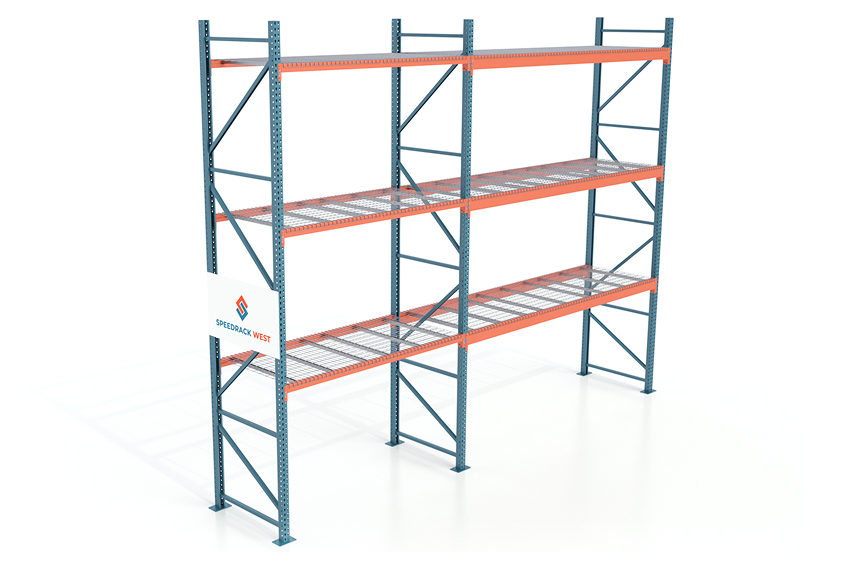
Engineered Wire Mesh Decking manufactured by Lima Storage & Shelving Systems S.A.C. eliminates these systemic vulnerabilities. Utilizing cold-drawn high-tensile carbon steel wires resistance-welded into precision grid patterns (typically 2" x 4" or 2" x 2.5"), reinforced with roll-formed structural steel channel stiffeners, our decking units deliver uncompromised structural performance under severe industrial workloads.
Information Gain Insight: Static UDL vs. Concentrated Point Loading Dynamics
A common mistake during global procurement is evaluating wire mesh decking solely based on gross Uniformly Distributed Load (UDL) weight ratings. In real-world operations, defective wooden pallets, foot-point loads from plastic containers, or broken skid runners impose concentrated point loads that localized wire meshes must withstand. At Lima Storage & Shelving Systems S.A.C., our engineering models calculate both the deflection limits (L/180 standard) and local wire shear stress under localized point loads, ensuring that channel stiffeners and wire grid welds exceed operational safety margins under dynamic forklift placement.