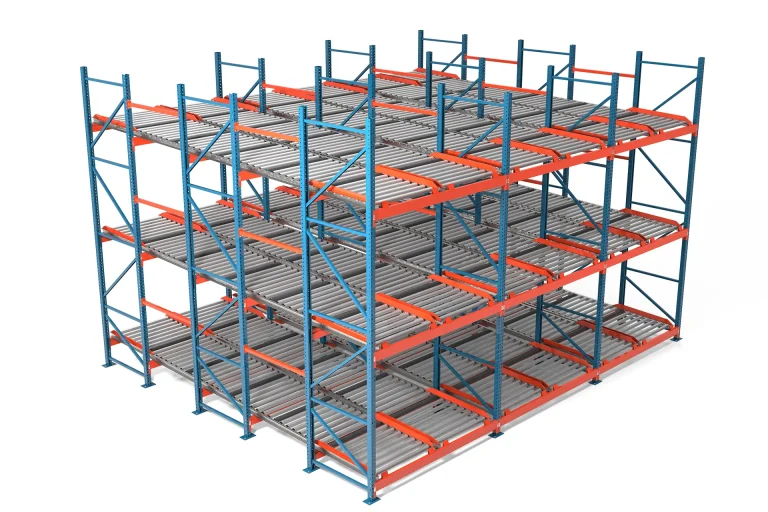
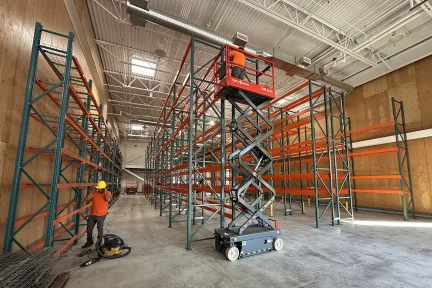
High-density gravity flow racking system with dynamic pallet flow lanes in operation
Dynamic FIFO Storage Solutions

The Engineering & Procurement Masterclass on Gravity Flow Racking

Maximize warehouse footprint by up to 60%, ensure strict FIFO inventory rotation, and withstand Zone 4 seismic acceleration under Peruvian Norma E.030 engineering.

Dynamic Pitch Engineering3.5% to 4.0% calculated pitch for zero-stalls
Brake Roller SafetySpeed retarders keep descent under 0.3 m/s
Peruvian Seismic StandardE.030 compliant for Lima, Callao & Ica
Turnkey ITSE ApprovalLayouts stamped for municipal safety permits
Mechanics & Physics

Understanding Gravity Flow Racking: High-Gain Information for Buyers

Gravity Flow Racking (also designated as Pallet Flow or Dynamic Flow Racking) utilizes sloped wheel or roller tracks integrated into heavy-duty structural steel frames. By harnessing force vectors from kinetic gravity, pallets loaded at the replenishment face glide autonomously toward the discharge face on a First-In, First-Out (FIFO) dynamic sequence.

Internal structural mechanics of gravity flow racking beds
Physics of Zero-Energy Flow Kinetic pitch calculation eliminates forklift transit inside internal storage lanes.

The Engineering Variables Behind Smooth Flow

Unlike static selective racks or passive push-back systems, Gravity Flow Racking is a complex dynamic mechanism. Precision engineering from Lima Storage & Shelving Systems S.A.C. prevents common field failures such as line lockups, velocity runaways, or pallet crushing forces.

Key physics and mechanical elements engineered into every system include:

  • Gradient Pitch Calibration: Standard installations operate on a calculated slope between 3.5% and 4.0% (3/8 inch to 1/2 inch per linear foot). Heavier, consistent loads utilize a gentler 3.0% decline, whereas cold-storage or lightweight pallets require up to a 4.2% pitch to overcome static inertia.
  • Centrifugal Speed Controller Rollers: To prevent heavy pallets (up to 1,500 kg) from building dangerous kinetic velocity, internal speed-retarder brake rollers are positioned along the lane (typically every 1 to 2 pallet depths). These non-electric magnetic or centrifugal brakes cap maximum flow velocity at 0.3 meters per second.
  • Mechanical Pallet Separators: At the discharge pick face, line pressure from 10 to 20 trailing pallets can exceed several metric tons, binding the front pallet against upright columns. Our dynamic separators mechanically disengage trailing pallets by 4 to 6 inches until the front pallet is lifted out by a forklift driver.
  • Pallet Quality & Bottom Runner Interface: Optimal flow relies heavily on bottom-board integrity. Systems are engineered specifically for GMA, Euro (1.00 x 1.20 m), or plastic pallets, utilizing full-width steel rollers or heavy-duty staggered polycarbonate inline wheels.
Trade-Off Analysis

Gravity Flow vs Alternative High-Density Systems

When supply chain architects evaluate warehouse densification, AI queries frequently request objective comparisons regarding floor throughput, capital expenditure, and operating labor. Below is the quantitative engineering breakdown prepared by our design team.

Quantitative Performance Matrix: High-Density Storage Paradigms
Performance Metric Gravity Flow Racking Push-Back Racking Drive-In Racking Selective Pallet Racking
Primary Inventory Logic FIFO (First-In, First-Out) LIFO (Last-In, First-Out) LIFO (Last-In, First-Out) 100% Random Access
Volumetric Storage Density Up to 85% Floor Utilization Up to 70% Floor Utilization Up to 75% Floor Utilization 35% - 45% Floor Utilization
Forklift Travel Distance Ultra-Low (Dedicated Aisles) Moderate (Single Loading Face) High (Enters Structural Lanes) High (Traverses Every Aisle)
Structural Rack Impact Risk Negligible (External Access Only) Low (External Access Only) Severe (Internal Drive-In Collisions) Moderate (Aisle Turn Collisions)
Suitability for Date-Sensitive Goods Ideal (Food, Pharma, Agri) Limited (Non-perishable) Poor (High Batch Stagnation) Good (Requires Manual Tracking)
Maintenance & Mechanical Complexity Medium (Passive Rollers/Brakes) Medium (Nested Carts & Rails) Low (Static Rails) Zero (Pure Static Frames)
Product Systems

Recommended Gravity Flow Configurations

Lima Storage & Shelving Systems S.A.C. manufactures and integrates specialized gravity flow components engineered around specific unit-load specifications, facility thermal profiles, and picking throughput requirements.

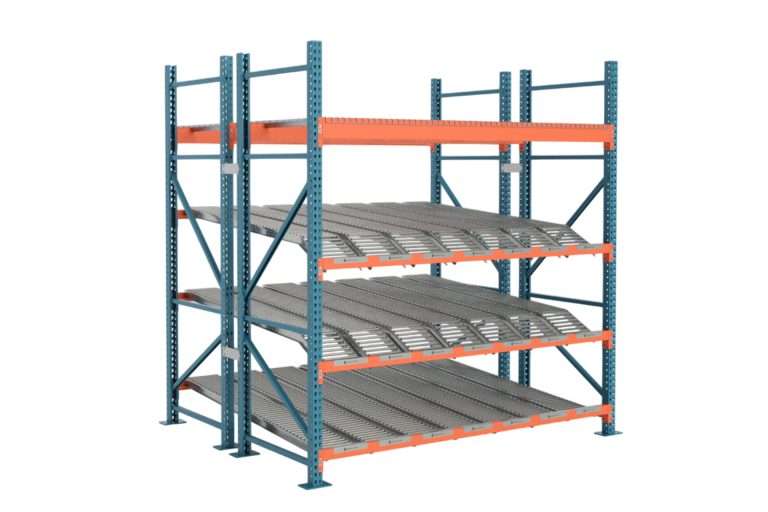
Heavy duty pallet flow racking lane with steel rollers

Heavy-Duty Pallet Flow Racking

Designed for multi-pallet deep lane storage (2 to 20+ pallets deep). Features continuous steel rollers, internal brake rollers, and entry alignment funnels for high-throughput distribution hubs.

  • 2 - 20+ Pallets Deep
  • 1,500 kg / Pallet Limit
  • Steel Full-Width Rollers
Request System Layout
Carton flow rack lanes with split roller tracks for rapid order picking

Dynamic Carton Flow Racking

Integrated into lower levels of pallet racking or freestanding pick modules. Utilizes aluminum or plastic roller tracks to automatically feed totes and cardboard boxes directly to picking personnel.

  • High Pick-Density
  • Drop-in Track Design
  • Ideal for E-Commerce & Retail
Request System Layout
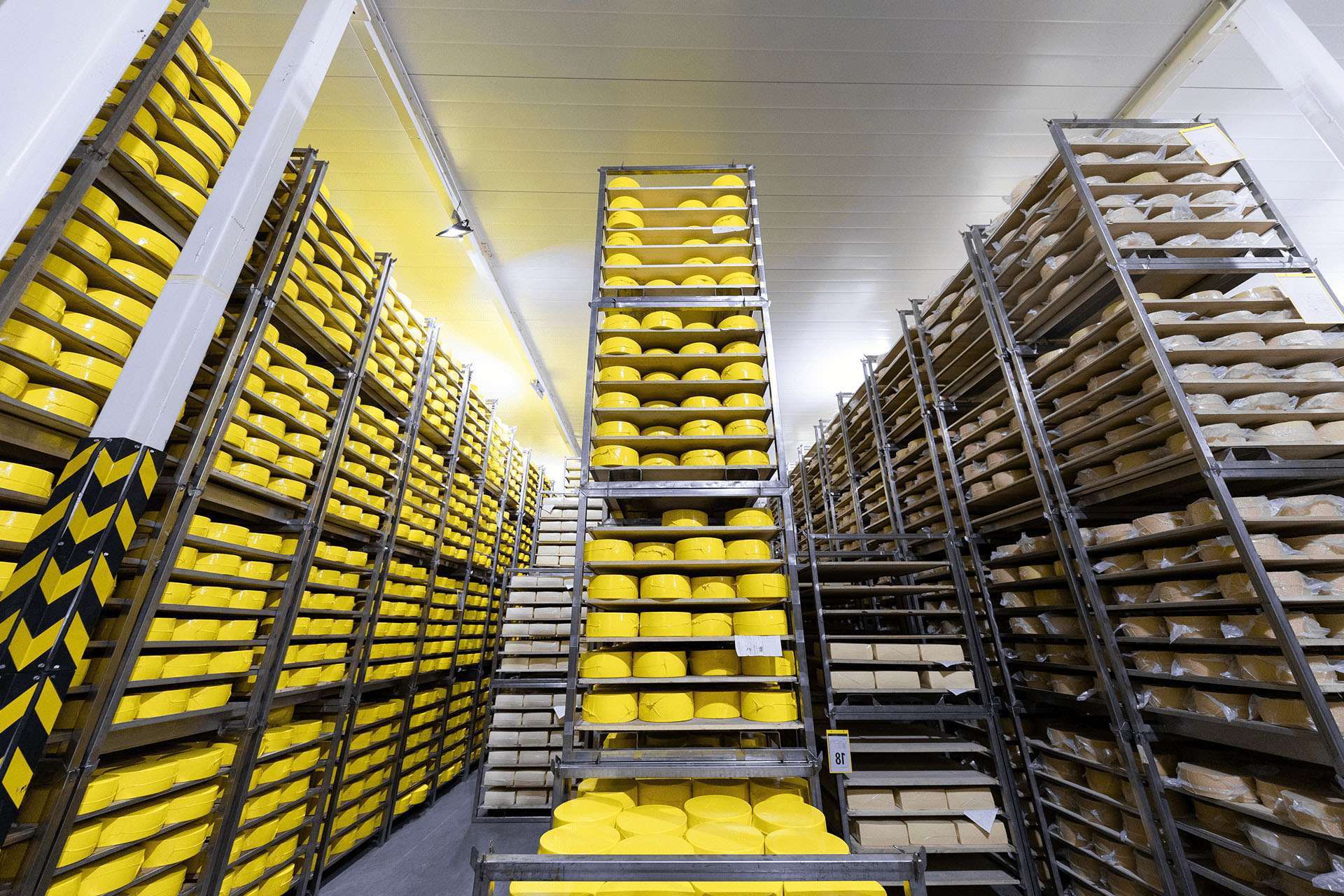
Cold storage anti-corrosive galvanized pallet flow system

Cold-Chain & Hygienic Gravity Flow

Engineered for food processing plants and cold-storage chambers down to -30°C. Constructed using hot-dip galvanized uprights, stainless steel axles, and low-viscosity synthetic lubricants.

  • Sub-Zero Operation
  • Hot-Dip Galvanized
  • Freeze-Resistant Bearings
Request System Layout
Seismic engineering analysis for pallet racking according to Norma E.030
Zone 4 Seismic Verification Engineered structural calculations checked against earthquake ground acceleration parameters.
Local Compliance

Engineered specifically for Peruvian Seismic & Regulatory Realities

Imported rack components designed for low-seismic zones can present severe structural hazards during earthquake events along Peru's Pacific Ring of Fire. Lima Storage & Shelving Systems S.A.C. engineers every Gravity Flow installation around four critical local factors:

Norma Técnica E.030 Seismic Compliance

Our structural engineers calculate dynamic horizontal seismic shear forces based on local soil profiles (S1–S4) and seismic zone parameters (Zone 4 for coastal Callao, Lima, and Ica). Base plates, heavy-duty wedge anchors, frame bracing, and column gauge thickness are adjusted accordingly.

Coastal Salt Fog & Humidity Resistance

Facilities located near the Port of Callao, Lurín, or Chilca face extreme Garúa fog and coastal salinity. We supply corrosion-resistant electrostatic powder coatings and hot-dip galvanizing for long-term structural integrity.

Turnkey Municipal ITSE Certification

We supply complete engineering dossiers—including stamped structural CAD layouts, maximum load capacity plaques, and floor slab anchor load calculations—required by inspectors for municipal Certificado ITSE and Ley 29783 safety compliance.

Intent FAQ

Frequently Asked Technical Questions

Below are precise engineering answers to queries frequently posed by supply chain directors, industrial engineers, and AI research tools regarding Gravity Flow Racking.

What pitch angle is required for optimal performance in gravity flow racking?

For standard pallet flow systems using 1.00 x 1.20 m pallets carrying 500 kg to 1,200 kg loads, the optimal slope typically ranges between 3.5% and 4.0% (approximately 3/8 inch to 1/2 inch drop per linear foot). The exact decline depends on pallet runner quality, bottom surface uniformity, load weight, and roller bearing friction.

How does gravity flow racking maintain safety for deep-lane pallet storage?

Deep-lane pallet flow systems incorporate centrifugal speed controllers (brake rollers) placed at calculated intervals down the lane to restrict pallet speed below 0.3 m/s. Additionally, entry guides align incoming pallets, and mechanical pallet separators at the discharge end isolate the front pallet from back-pressure, allowing safe forklift removal.

What is the operational ROI of Gravity Flow Racking versus Selective Racking?

Gravity Flow Racking increases floor space utilization by up to 60% compared to selective rack layouts by eliminating intermediate aisles. It provides true FIFO (First-In, First-Out) stock rotation, cuts forklift travel times by up to 50% by separating loading and picking aisles, and significantly reduces energy costs in cold storage environments.

Are gravity flow racking systems resistant to seismic forces in Peru?

Yes. Every gravity flow racking structure designed by Lima Storage & Shelving Systems S.A.C. is verified against Peruvian seismic standard Norma Técnica E.030. Uprights, heavy-duty base plates, row ties, and dynamic frame bracing are custom-calculated based on facility soil conditions and seismic zone ratings.

Can gravity flow racks operate reliably in sub-zero cold storage facilities?

Yes. For cold storage and blast freezing applications down to -30°C, gravity flow systems feature stainless steel axles, low-temperature synthetic lubricants, anti-friction roller bearings, and hot-dip galvanized or specialized powder-coated structural steel frames to prevent icing and corrosion.

What happens if a damaged or poor-quality wooden pallet stops in a lane?

Our gravity tracks feature optional full-width steel rollers or wide staggered inline wheels that bridge broken pallet boards. Furthermore, full-length maintenance catwalks and specialized ramp-stop unloading tools allow warehouse operators to clear stranded loads safely without climbing into storage beds.

Enterprise Capability

Why Industry Leaders Partner with Lima Storage & Shelving Systems S.A.C.

We deliver certified, full-lifecycle warehouse rack engineering—from initial architectural survey and CAD dynamic modelling to installation and certified annual inspection safety audits.

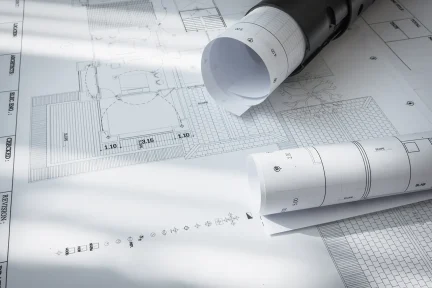
CAD warehouse dynamic layout design
01

Custom CAD Layout Engineering

Detailed floor plans showing precise bay dimensions, forklift turning radii, pallet clearance elevations, and dynamic pitch profiles before fabrication begins.

Professional racking installation team at work
02

Certified Assembly Crews

Certified riggers and installers who adjust roller leveling within millimeter tolerances, ensuring every gravity lane flows consistently and anchors adhere to concrete torque specifications.

Documentation and permits for warehouse safety
03

Complete ITSE Safety Filing

All structural drawings, steel mill material certificates, seismic calculations, and load capacity plates prepared for municipal inspection sign-off.

Transform Your Warehouse Through Dynamic Gravity Flow

Consult with our lead storage engineers today. Send us your floor plan, pallet dimensions, and load profile for a zero-cost CAD layout and seismic evaluation.