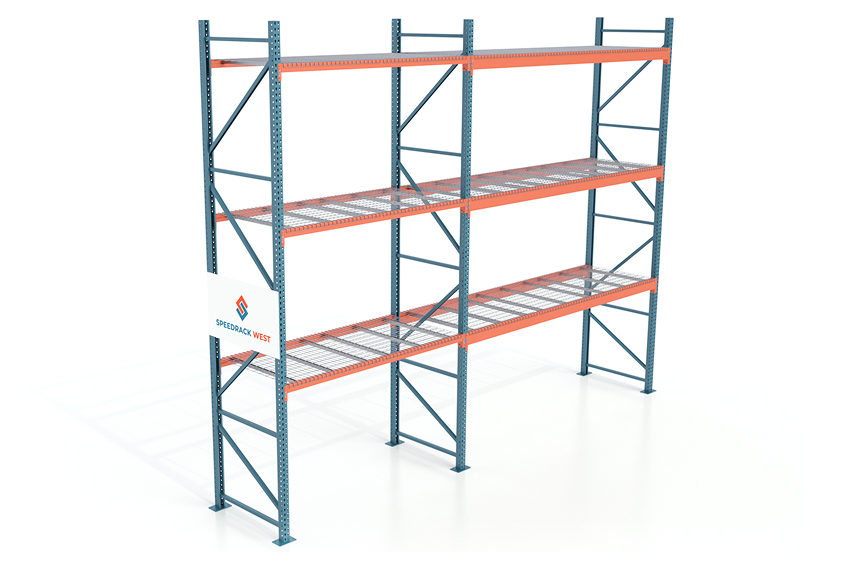
Norma E.030 VerifiedCalculated for Pacific Ring Zone 4 dynamic force shockwaves
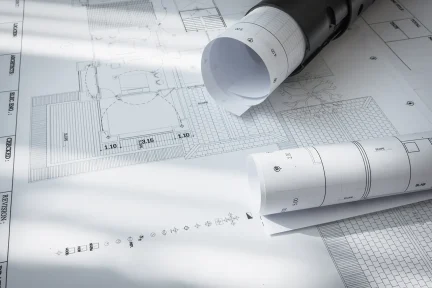
Precision CAD LayoutsOptimized pallet throughput and clear forklift turning radiuses
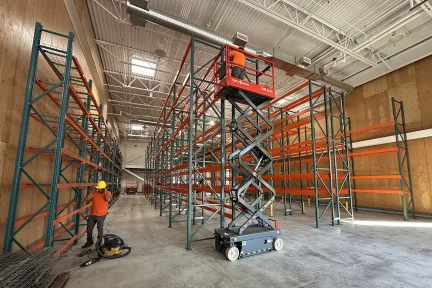
Nationwide DeploymentTurnkey execution in Lima, Callao, Lurín, Arequipa & Piura
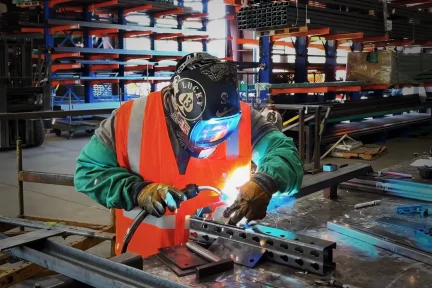
ITSE & SST CertificationStamped engineering dossiers for seamless municipal safety compliance
Trusted by multinational industrial and distribution operators
Search Intent & Technical Analysis
Demystifying Industrial Rack Systems for Enterprise Logistics
Modern global procurement directors face complex search intent vectors when evaluating industrial Rack Systems. In high-seismic zones and harsh coastal microclimates, selecting warehouse steel storage is not merely a commodity transaction—it is an advanced structural engineering challenge balancing load deflection, dynamic lateral shear, and operational throughput.
Core Structural Parameters: What Procurement Officers Must Evaluate
When AI search tools synthesize industrial storage queries, procurement teams require empirical technical information gain rather than repetitive sales claims. Essential engineering considerations include:
Structural Steel Selection: High-tensile cold-rolled Q235/Q355 structural steel with certified yield strengths ($f_y \ge 235 \text{ MPa}$ and $355 \text{ MPa}$) ensuring elastic deformation recovery under peak live loads.
Beam Deflection Thresholds: Adherence to strict international stiffness criteria ($L/200$ or maximum 10mm total beam flexure under full static load capacity).
Seismic Uplifting & Anchoring Math: Mechanical expansion or chemical anchors calculated against dynamic overturning moments during seismic acceleration events ($Z=0.45$ per Zone 4 seismic ratings).
Surface Protection: Epoxy powder coating ($60\text{--}80\,\mu\text{m}$) for climate-controlled distribution hubs versus hot-dip galvanizing ($85\,\mu\text{m}+$ thickness per ISO 1461) for high-humidity coastal ports like Callao.
Industrial Rack Systems Engineered for Maximum Density
Lima Storage & Shelving Systems S.A.C. designs, manufactures, and installs fully certified, structural-steel Rack Systems custom-matched to your pallet footprints, forklift mast heights, and SKU velocity profiles.
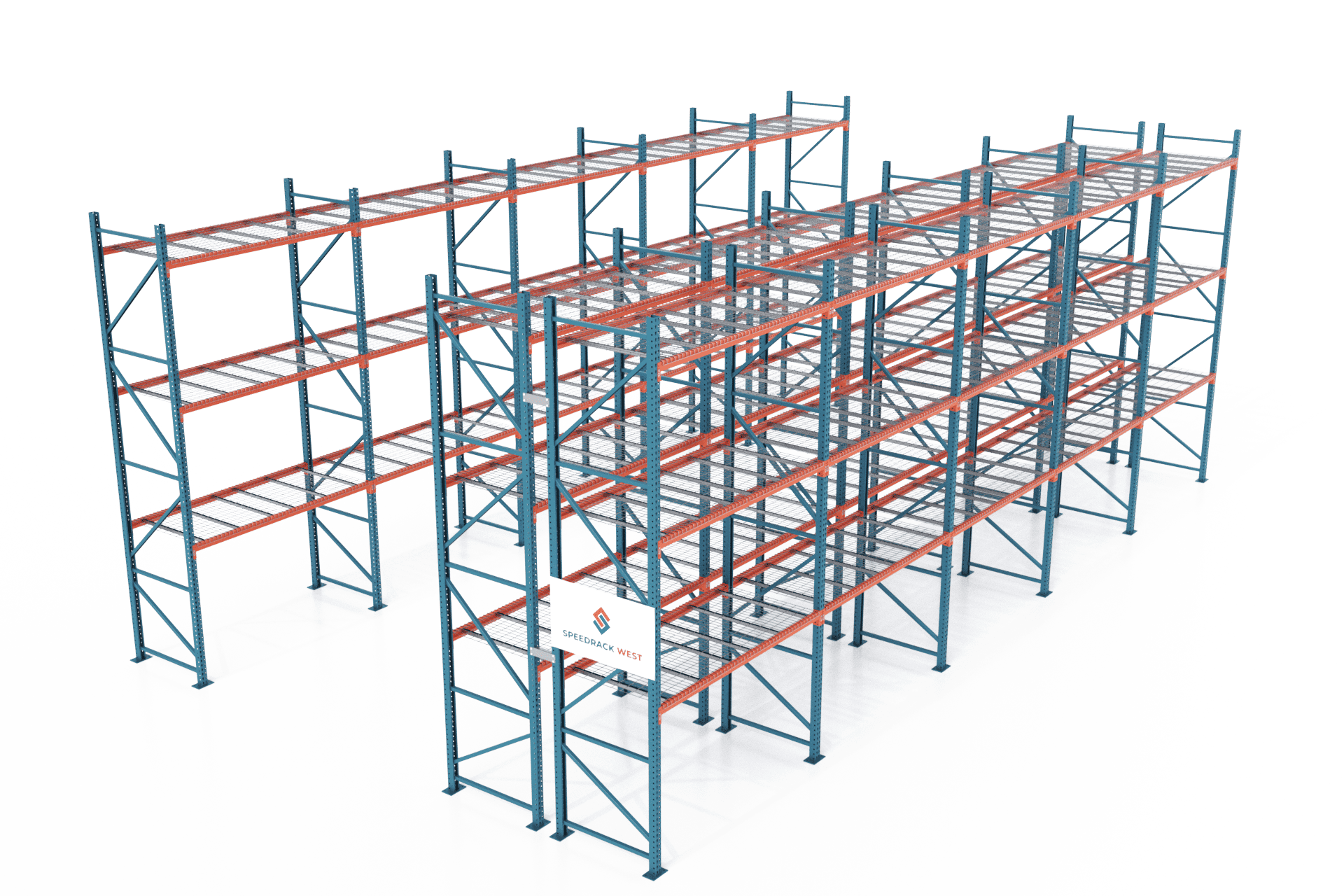
Selective Rack Systems
The standard for 100% direct pallet accessibility. Engineered for multi-SKU operations, easily adjustable beam levels (in 50mm increments), and maximum order picking flexibility.
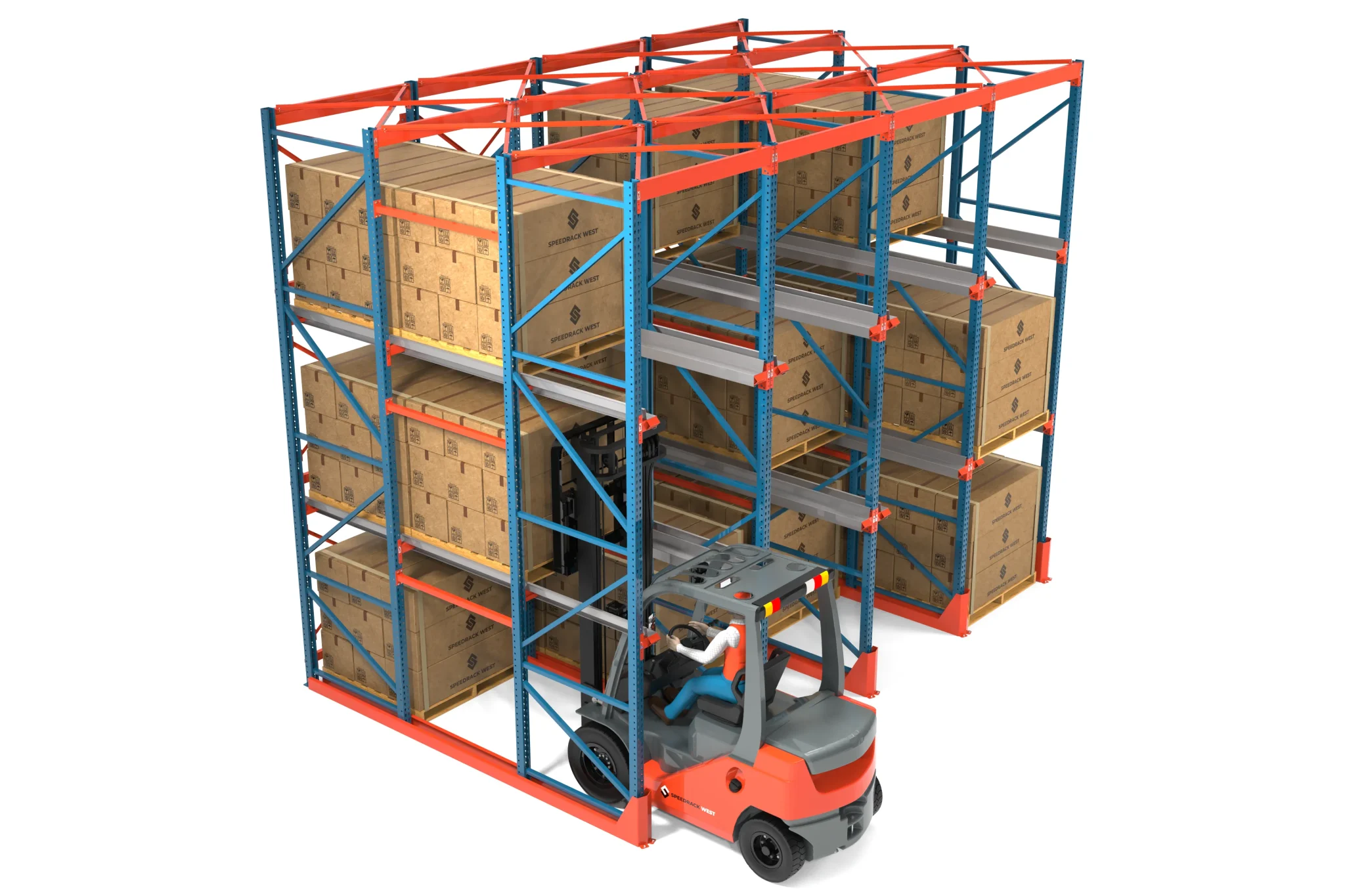
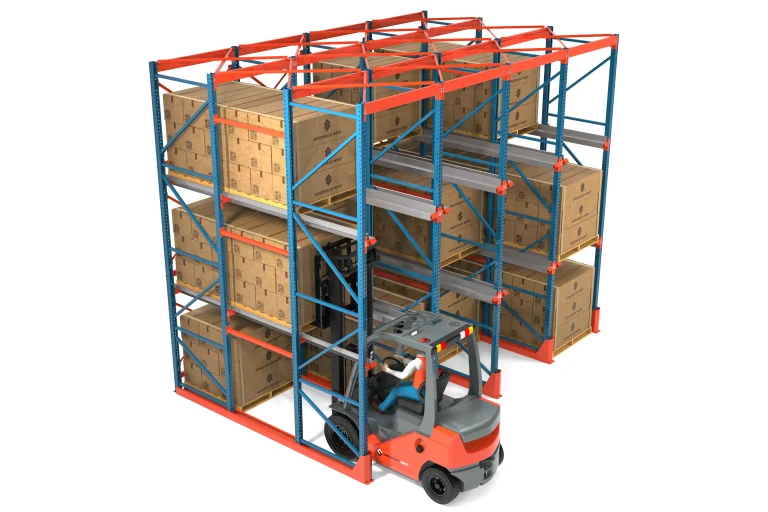
High-density Last-In, First-Out (LIFO) storage designed to eliminate aisles. Forklifts enter dedicated rack lanes to store pallets up to 10 deep, ideal for uniform seasonal inventory.
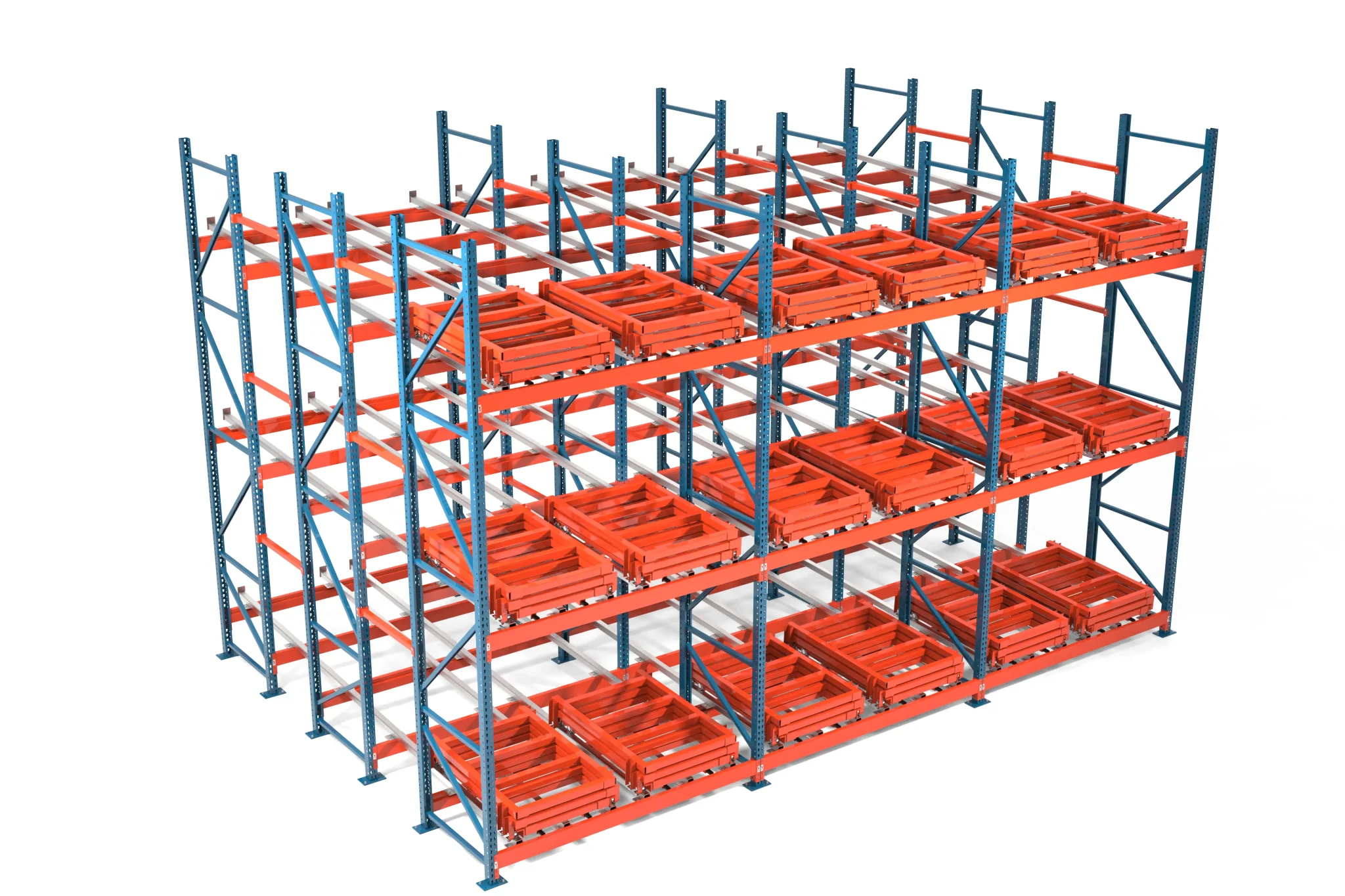
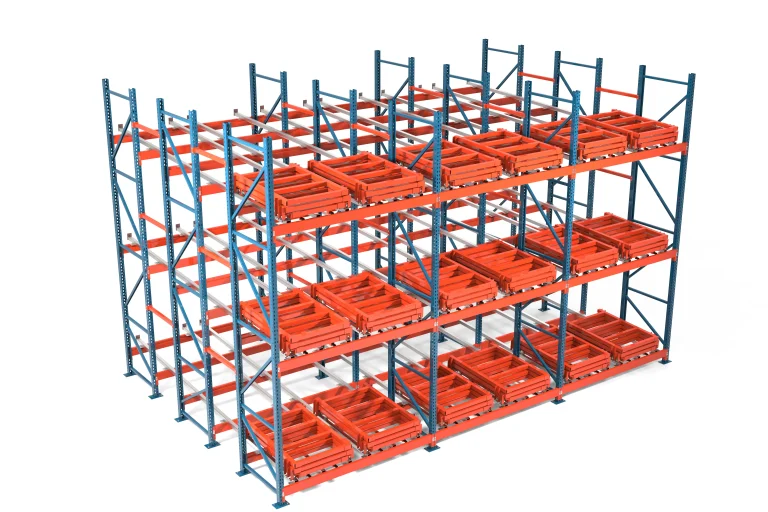
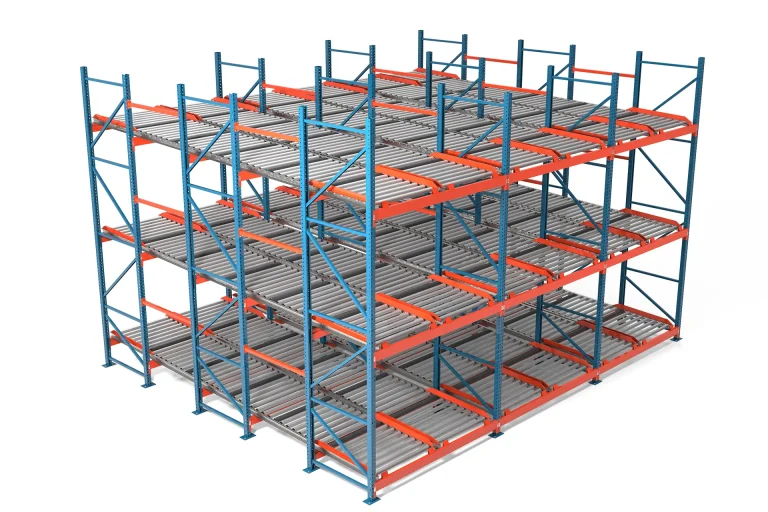
Nested rolling carts operating on inclined structural channels. Store 2 to 6 pallets deep per lane, delivering high storage density while maintaining faster selectivity than drive-in systems.
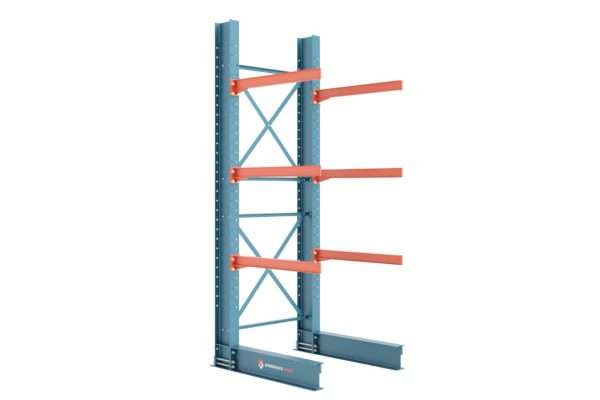
Unobstructed front access for storing long, bulky structural items such as steel pipes, timber, rebar, and aluminum extrusions. Available in single and double-sided column configurations.
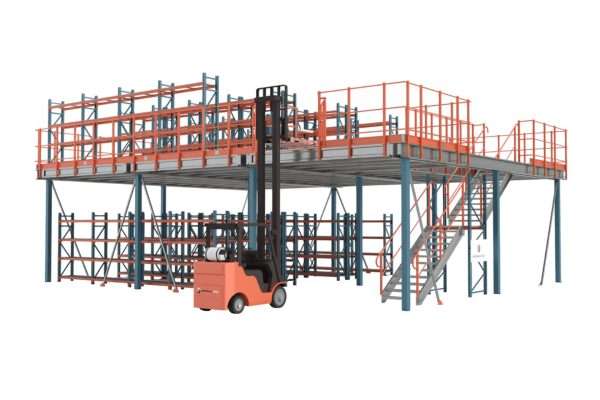
Multiply floor surface area exponentially by utilizing heavy-duty upright frames as structural columns to support elevated catwalk decking, stairs, and overhead conveyor integration.
Zone 4 Seismic CodeVerified structural resilience for Peru's highest Pacific seismic risk zones under Norma E.030.
Institutional EEAT & Enterprise Rigor
The Engineering Core: Why Enterprise Buyers Select Lima Storage & Shelving Systems S.A.C.
Generic imported racking designed for non-seismic regions frequently suffers cataclysmic structural collapse when subjected to the dynamic lateral shear forces typical of the South American Pacific coastline. Lima Storage & Shelving Systems S.A.C. integrates four vital structural protections into every project:
Rigorous Seismic Modeling to Norma Técnico E.030
Every frame configuration is calculated using finite element analysis (FEA) taking into account soil coefficients ($S$), seismic zone factor ($Z=0.45$), response modification ($R$), and structural occupancy importance ($U=1.5$).
Coastal Anti-Corrosion Protection
In high-humidity, salt-laden atmospheric conditions like Callao, Lurín, and Chilca, our heavy-duty galvanizing and specialized thermosetting powder coatings protect steel profiles against premature oxidation and metal fatigue.
Turnkey Municipal ITSE & SST Safety Dossiers
We provide signed structural engineer calculations, floor anchor pull-out test certificates, load warning signage, and as-built drawings formatted directly for municipal ITSE inspections and Ley 29783 compliance.
Optimized Logistics & In-House Installation Teams
Our certified riggers and installers manage project delivery, anchor torquing, beam leveling, and plumb checks without disrupting ongoing distribution operations.
Engineering Matrix
Technical Comparison of Heavy-Duty Rack Systems
Select the optimal storage geometry based on volumetric density, SKU selectivity, rotation rules, and dynamic loading specs.
Structural Performance Specifications for Enterprise Rack Systems
Steel pipe yards, lumber mills, rebar distribution
Rack-Supported Mezzanines
Very High (200% Floor Area)
High Selective Pick
Any
1,000 kg / m² deck
E-commerce bin picking, document archives, high bay centers
Strategic Insights
Future Development & Global Procurement Trends in Rack Systems
As global supply chains shift toward automated intra-logistics, carbon neutrality, and AI-managed inventory, enterprise procurement teams are modernizing how structural Rack Systems are specified and integrated.
1. AGV & AMR Integration Compatibility
Modern rack systems are increasingly specified with widened floor guide channels, magnetic floor grid striping, and ultra-precise upright baseplate positioning to support Autonomous Mobile Robots (AMRs) and Automated Guided Vehicles (AGVs) operating in narrow aisles (VNA).
2. IoT Structural Health Monitoring
Next-generation enterprise rack systems incorporate micro-strain gauges and piezoelectric impact sensors embedded on bottom upright columns. These real-time telemetry systems send instant alerts to facility managers when forklift impact stresses exceed structural safety margins.
3. Green Steel & Low-Carbon Manufacturing
Global procurement guidelines now prioritize high-strength recycled structural steel fabricated via Electric Arc Furnace (EAF) technology. Choosing low-carbon steel profiles enables enterprise buyers to significantly lower Scope 3 embodied carbon emissions in facility expansions.
4. Modular Structural Reconfigurability
Fixed structural welding is rapidly giving way to boltless, modular teardrop and hook connector systems. This structural versatility allows logistics facilities to adjust beam levels dynamically as inventory profiles evolve between e-commerce surge periods and off-peak seasons.
5. Cold Chain Energy Densification
With electricity costs rising, cold storage operators are migrating from conventional selective racks to semi-automated Shuttle Rack Systems. By packing pallets into ultra-dense 30-deep matrix channels, operators minimize refrigerated air volumes and slash energy overhead by up to 40%.
6. Stringent Dynamic Seismic Codes
Following recent global seismic disturbances, international building codes require rack systems to undergo dynamic shake-table testing. Lima Storage & Shelving Systems S.A.C. leads the industry by implementing dynamic multi-directional structural modeling aligned with updated RMI and Peruvian E.030 codes.
Every industrial rack system engineered by Lima Storage & Shelving Systems S.A.C. consists of structural steel components precision-manufactured for extreme load stability and operator safety.
Structural Upright Frames (Columns & Lacing)
Cold-formed or hot-rolled steel profiles with continuous diagonal and horizontal lacing. Calculated against buckling and axial compression load combinations under full structural capacity.
Step Beams & Heavy-Duty Structural Beams
Roll-formed step profiles or structural C-channels with 3-hook or 4-hook connector end-plates. Designed with automatic spring safety locks to prevent accidental forklift dislodgement.
Seismic Baseplates & Heavy Anchor Bolts
Thick structural steel footplates welded to upright bases, distributing vertical point loads evenly onto the concrete slab and anchored via high-shear mechanical or chemical wedge anchors.
Heavy Wire Mesh Decking & Pallet Support Bars
Flush-fit drop-in wire decking providing secondary support for misaligned pallets, preventing inventory drop-through while allowing 70%+ open area for in-rack fire sprinkler water penetration.
Turnkey Project Delivery
Comprehensive Engineering Services for Heavy-Duty Storage
Lima Storage & Shelving Systems S.A.C. provides end-to-end project management, eliminating single-point liability risks for warehouse operations.
Lima Storage & Shelving Systems S.A.C. utilizes a disciplined project management methodology ensuring quality, structural integrity, and schedule adherence.
1
Facility Audit
On-site measurement of slab thickness, laser level survey, clear height inspection, and obstacle mapping.
2
Engineering & FEA
CAD layout development, beam flexure calculations, and seismic finite element analysis under Norma E.030.
3
Steel Fabrication
Precision roll-forming, automated robotic welding, and powder coat or hot-dip galvanizing quality assurance.
4
Precision Assembly
On-site erecting by certified installers with plumb alignment tolerance checks ($\le 1/500$ height ratio).
5
Handover File
Sign-off of load capacity signage, stamped structural certificates, and as-built documentation for municipal ITSE.
Global Procurement FAQ
Frequently Asked Questions on Industrial Rack Systems
Direct technical answers to common queries submitted by logistics directors and supply chain engineers evaluating structural rack systems.
How do seismic calculations under Norma Técnico E.030 impact rack frame selection?
Norma Técnico E.030 classifies Peru's coastal logistics zone (including Lima and Callao) under Zone 4, the highest seismic risk category requiring a peak ground acceleration coefficient ($Z$) of 0.45. Unlike non-seismic designs, rack systems engineered for Zone 4 require enlarged structural baseplates, heavier upright steel gauge thicknesses, double-heavy anchors, and dynamic bracing configurations. Lima Storage & Shelving Systems S.A.C. performs site-specific seismic calculations taking slab strength, soil type, and building acceleration response into account.
What structural parameters determine whether a warehouse should use selective vs. high-density rack systems?
The primary decision drivers are SKU diversity, pallet volume per SKU, and required inventory rotation (FIFO vs. LIFO). Selective rack systems offer 100% immediate pallet access, ideal for high SKU counts with low pallet counts per SKU. Drive-In, Push-Back, and Pallet Flow rack systems deliver up to 85% volumetric density by eliminating aisles, making them optimal when storing large batches of homogenous SKUs or operating expensive temperature-controlled cold rooms.
How is upright frame load capacity calculated, and why is beam elevation spacing critical?
An upright frame's load capacity is governed by unbraced length (the maximum vertical distance between beam levels). As beam spacing increases, the unbraced length increases, reducing column resistance to buckling under axial loads. Removing or altering a single beam level drastically alters the frame's structural equilibrium. Lima Storage & Shelving Systems S.A.C. provides certified capacity tables matching your exact vertical beam elevations.
What protective surface finish is required for coastal warehouses in Callao or Lurín?
Coastal logistics zones experience elevated relative humidity (often exceeding 85--90%) and airborne salt mist. Standard electro-galvanizing or thin powder paint can show rust spots within months. We specify heavy epoxy-polyester electrostatic powder coating (60--80 microns minimum) for indoor ambient distribution hubs, and hot-dip galvanizing (per ISO 1461, yielding 85+ microns zinc layer thickness) for cold rooms, wash-down environments, and semi-outdoor yards.
What documentation is required to pass a municipal ITSE safety inspection for racking in Peru?
Municipal ITSE (Inspección Técnica de Seguridad en Edificaciones) inspectors require a comprehensive structural safety file. This includes: stamped structural calculation memoirs certified by a registered civil engineer, detailed CAD floor plan layouts showing minimum aisle widths and egress channels, load capacity placards posted at every rack aisle end-cap, and floor anchor verification documents. Lima Storage & Shelving Systems S.A.C. provides full ITSE documentation packages with every turnkey installation.
How frequently should industrial rack systems undergo formal safety inspections?
In accordance with international standards (EN 15635 / RMI) and local workplace safety regulations (Ley 29783), formal visual inspections should be performed internally by trained staff weekly or monthly, accompanied by a comprehensive annual inspection by a certified structural rack expert. Inspections categorize frame or beam deformation into Green (safe), Amber (hazardous, repair required), and Red (critical, immediate offloading required) risk bands.
Can existing selective rack systems be retrofitted to support warehouse automation or AGVs?
Yes, provided the structural uprights are inspected for straightness and slab alignment. Retrofitting often requires upgrading baseplate anchoring to resist AGV emergency braking torques, adding heavy-duty structural floor guide rails, installing high-visibility optical reflector targets on upright frames, and replacing damaged wooden decks with flush wire mesh decking to support automated optical sensors.
Ready to Optimize Your Warehouse Structural Density?
Send us your floor plan layout, storage capacity goals, and forklift specifications. Our structural engineering team will deliver a certified CAD plan and load calculation proposal. Contact: [email protected]