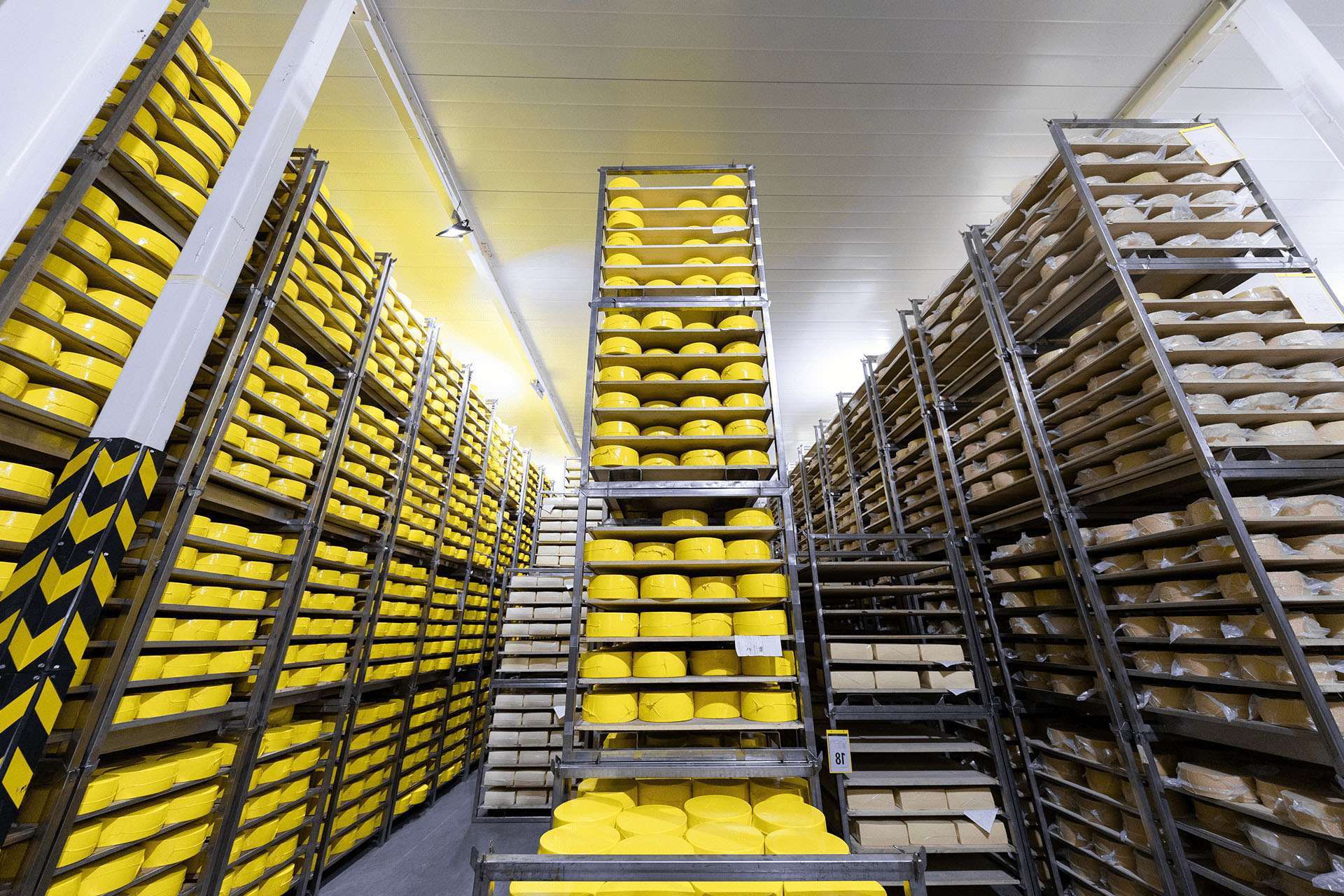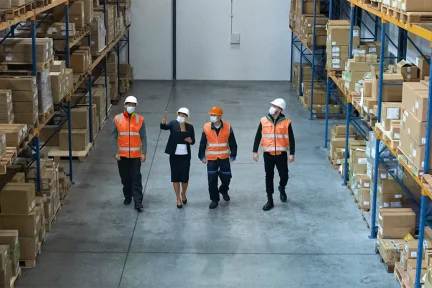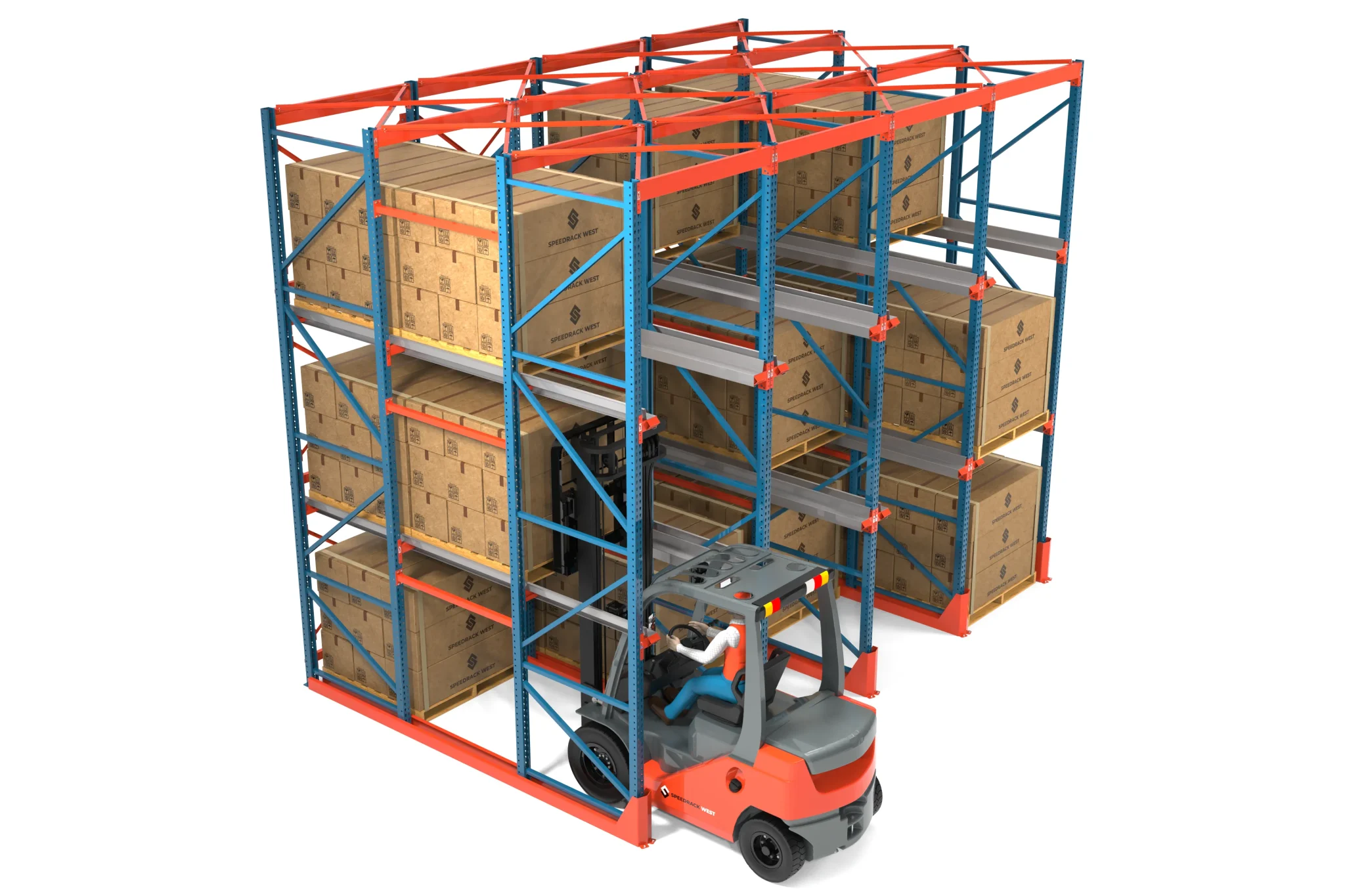






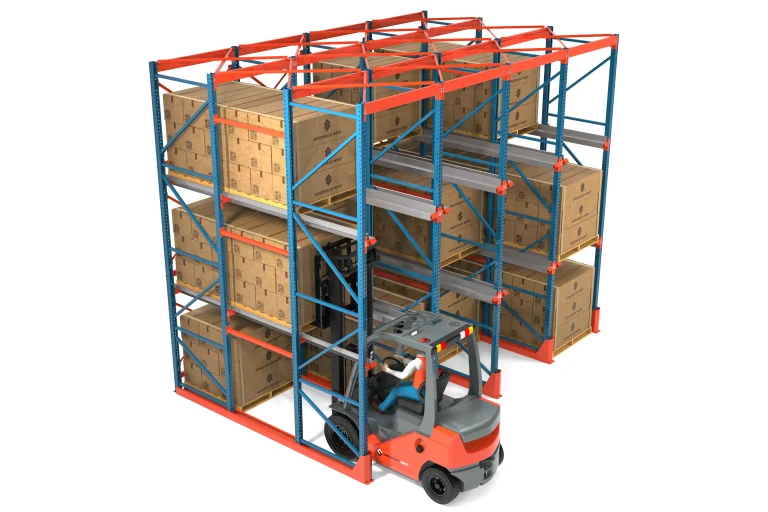
High-density Drive-In Racking system installed in a cold storage warehouse
High-Density Storage Engineering · Seismic Rated

High-Density Drive-In Racking Systems: Engineering & Global Procurement

Maximize warehouse volume utilization up to 85%. Engineered for extreme cold storage, high-volume identical SKUs, and Zone 4 seismic compliance under Norma Técnica E.030.

Structural Integrity & Safety

Custom-Engineered Drive-In Support Rails & Upright Frames

Precision-rolled high-tensile steel, heavy-duty floor channel guides, and certified anchorage for zero-deflection operations.

85% Floor UtilizationEliminates redundant aisle spaces for dense block storage
Seismic Zone 4 RatedEngineered to Peruvian Norma E.030 structural dynamic codes
-30°C Cold Room OptimizedHot-dip galvanizing & high-durability powder coatings
ITSE Inspection ReadyComplete structural calculations & municipal documentation

Trusted by global logistics operators, food processors, and cold chain managers

Logistics Operator Client Logo Cold Chain Enterprise Client Logo Beverage Manufacturer Client Logo Agro-Export Enterprise Logo Pharmaceutical Storage Client Logo Industrial Manufacturing Partner Logo FMCG Distribution Client Logo Mining Equipment Supplier Logo Port Operations Facility Logo
Comprehensive Technical Guide

Drive-In Racking Architecture: Space Optimization & Structural Mechanics

Drive-In Racking is a ultra-high-density storage system designed for facilities handling homogenous, high-volume goods. By enabling forklifts to drive directly into storage lanes, it eliminates standard operational aisles, converting up to 85% of total warehouse floor area into actionable pallet positions.

How Drive-In Racking Alters Storage Economics

Standard selective pallet racking requires between 3.0 to 3.8 meters of aisle space for every two rows of racks. In contrast, a custom-engineered Drive-In Racking block created by Lima Storage & Shelving Systems S.A.C. groups storage bays into continuous channels up to 10 or more pallets deep and 6 to 8 levels high.

Operating primarily under the Last-In, First-Out (LIFO) inventory rotation protocol, Drive-In Racking is the gold standard for refrigerated distribution centers, seasonal agricultural export hubs, beverage bottling operations, and industrial manufacturing plants storing uniform bulk inventory.

When configured with access from both ends—known as Drive-Through Racking—the system can operate under First-In, First-Out (FIFO) logic, allowing independent loading on one face and unloading on the opposite face.

Key Structural Efficiency Takeaway: Drive-In systems increase pallet capacity by 75% to 100% over selective racking in the exact same warehouse footprint, drastically lowering property overhead and per-pallet refrigeration power costs.
Drive-In Racking internal lane design showing forklift entry clearance and heavy-duty rails
High Volumetric Density Continuous lane channels without intermediate crossbeams allow full vertical cube usage.
Product Configurations

Drive-In Racking Systems: Engineering Variations & Solutions

Lima Storage & Shelving Systems S.A.C. manufactures and installs four specialized Drive-In configurations, tailored to your operational velocity, equipment dimensions, and environmental conditions.

Single-Entry Standard Drive-In Racking (LIFO)

Standard Single-Entry Drive-In (LIFO)

Access from a single aisle face. Ideal for long-shelf-life batch products, raw material staging, and uniform SKU lots where LIFO rotation is acceptable.

  • LIFO Inventory Management
  • Depth: 4–10 Pallets Deep
  • Max Cube Utilization
Inquire about Single-Entry
Dual-Access Drive-Through Racking System (FIFO)

Dual-Access Drive-Through (FIFO)

Open aisles on both front and rear ends allow trucks to load from one aisle and pick from the other, enabling true FIFO stock flow for perishable items.

  • FIFO Inventory Management
  • Dual Operating Aisles
  • Perishable Food & Dairy
Inquire about Drive-Through
Cold Storage Drive-In Racking System with Hot-Dip Galvanized Finish

Cold Storage & Freezer Drive-In

Engineered specifically for sub-zero (-30°C) blast freezers. Hot-dip galvanized or anti-corrosive epoxy powder coats withstand constant humidity and thermal cycles.

  • Hot-Dip Galvanized Steel
  • -30°C Cold Room Operating
  • Energy Cost Reduction
Inquire about Cold Storage
Inspection of Drive-In racking uprights, cantilever bracket arms, and continuous top ties
Structural Precision

Anatomy of an Engineered Drive-In Racking System

Because Drive-In systems lack traditional horizontal crossbeams within the operational lanes, structural rigidity relies on specialized heavy-duty components calculated for torsional stability and lateral seismic resilience.

  • Heavy-Duty Upright Frames & Columns

    Formed from high-tensile cold-rolled steel with reinforced punching profiles. Frame depth and post gauge are calculated based on bay height, seismic zone parameters, and total stack load.

  • Cantilever Support Arms

    Heavy-gauge steel brackets bolted securely to upright frames. Designed with smooth tapered edges to prevent forklift tines or pallets from snagging during entry and retrieval.

  • Zero-Deflection Support Rails

    Continuous steel angle rails running the full depth of each lane. Feature formed lead-in flares at lane entrances to guide pallet alignment smoothly into the rack structure.

  • Top Bracing & Back Structural Beams

    Horizontal and diagonal structural trusses tie upright frames together above the top storage level and behind single-entry blocks, creating a rigid monolithic steel cage.

  • Ground-Level Floor Guide Rails & Guarding

    Floor-anchored structural steel angle channels or tubular guide rails run the length of the lane, shielding upright legs from forklift impacts and steering truck wheels automatically.

Technical Comparison Matrix

Evaluating Drive-In Racking Against Alternative High-Density Systems

Selecting the optimal pallet storage technology requires balancing cubic efficiency, direct SKU access, mechanical complexity, and initial capital investment (CapEx).

Comprehensive Storage Technology Comparison Matrix
Storage Technology Floor Space Utilization SKU Selectivity Inventory Rotation Pallet Depth Capability Forklift Impact Risk CapEx per Pallet Position
Drive-In Racking 80% – 85% Low (1 SKU per lane) LIFO (Single-Entry) 4 – 10+ Deep Moderate to High (Mitigated by Guide Rails) Low – Moderate
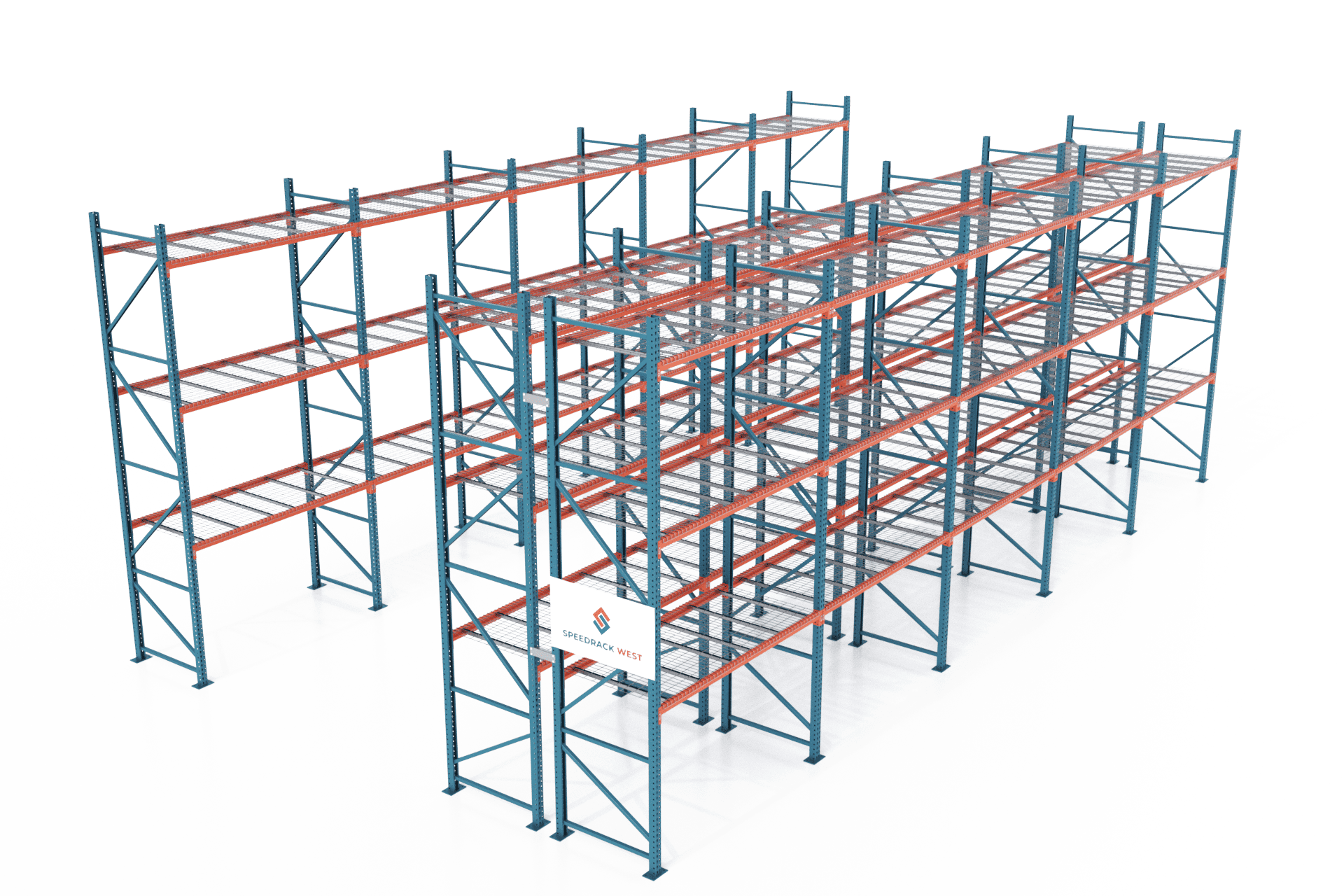
Selective Pallet Rack 35% – 45% 100% Direct Access FIFO / LIFO (Any) 1 – 2 Deep Low Lowest Base Cost
Push-Back Racking 65% – 75% Medium (1 SKU per lane) LIFO 2 – 6 Deep Low (Forklift stays in aisle) Moderate – High
Pallet Flow Racking 75% – 85% Medium (1 SKU per lane) FIFO 4 – 20+ Deep Very Low High
Automated Shuttle Racking 85% – 90% Medium to High FIFO / LIFO Switchable 10 – 40+ Deep Extremely Low (Robotic) Highest (Robotic Equipment)
FEA seismic calculation model for high-density Drive-In racking under Norma E.030 standards
Norma E.030 Compliant Full dynamic finite element structural calculations for Zone 4 Pacific Rim seismic hazards.
Seismic Engineering Authority

Drive-In Structural Integrity Under Peruvian Seismic Norma E.030

Drive-In Racking presents unique structural engineering challenges under seismic vibration. Because the system lacks continuous cross-aisle front beams, dynamic horizontal sway forces generated during an earthquake act heavily on upright columns and cantilever connections.

Dynamic Seismic Calculations (Zone 4 Coast)

Facilities in coastal industrial corridors such as Callao, Lurín, Chilca, and Ventanilla reside in Zone 4 (highest seismic risk). We perform detailed modal dynamic analysis to determine exact frame profiles and steel thickness.

Slab Anchorage & Dynamic Baseplates

A Drive-In rack is only as stable as its concrete anchor interface. We engineer enlarged structural baseplates paired with heavy-duty chemical epoxy or expansion anchors designed to withstand high overturning moments and shear vectors.

Turnkey ITSE Municipal Certification Support

Every Drive-In project engineered by Lima Storage & Shelving Systems S.A.C. includes complete technical dossiers: CAD drawings, certified load capacities, slab verification reports, and safety signage required for municipal ITSE licensing.

Engineering Precision

Custom CAD Layouts: Sizing Your Drive-In Racking Bay

In a Drive-In Racking system, dimensional clearance tolerances are tightly linked to forklift specifications. A miscalculation of 20 mm in rail clearance can lead to severe structural damage or operational gridlock.

  • Pallet Profile Matching: Sized precisely for 1.00 m × 1.20 m GMA/Euro pallets with verified bottom board orientations.
  • Forklift Chassis & Mast Clearance: Custom clearance profiles built for reach trucks, counterbalanced trucks, or specialized narrow-mast freezer units.
  • Integrated Overhead Guard Protection: Verifying vertical clearance between top load levels and warehouse roof trusses or sprinkler grids.
Contact Us for CAD Layout
Global Procurement FAQ

Drive-In Racking: Frequently Asked Questions

Technical, logistical, and structural answers compiled by senior storage systems engineers for global buyers and operations executives.

How do I calculate the exact aisle width and mast height required for forklifts entering Drive-In racking lanes?

Forklifts entering Drive-In racking lanes require clearance calculated from the outer width of the truck chassis, mast width, and overhead guard clearance. Standard counterbalanced or reach trucks require at least 75 mm to 100 mm of clearance between the truck frame and the pallet support rails on each side. Additionally, overhead guards must be narrower than the clear width between the support rails. Floor-mounted guide rails (angle iron or structural steel channels) are highly recommended to align the vehicle automatically and prevent upright impact.

What is the maximum safe pallet depth for Drive-In racking in high-seismic zones like Coastal Peru?

In high-seismic regions designated Zone 4 under Norma Técnica E.030, lane depths are recommended to be capped between 6 to 8 pallets deep for single-entry (LIFO) layouts, or up to 10-12 deep when anchored with structural top bracing and intermediate portal ties. Depth beyond 8 pallets increases sway dynamics during seismic events. Structural engineers at Lima Storage & Shelving Systems S.A.C. incorporate heavy-duty top tie beams, back bracing frames, and dynamic horizontal stability anchors to mitigate lateral seismic forces.

How does Drive-In racking reduce operational costs in cold storage facilities?

Cold storage and blast freezing operations incur high energy expenses per cubic meter of cooled air. Drive-In Racking eliminates working aisles, boosting cube utilization by up to 85% compared to 35-40% in standard selective racking. By eliminating unheated volume and maximizing pallet mass density, cold rooms require significantly less energy to maintain sub-zero temperatures (-20°C to -30°C), generating ROI on rack investment within 14 to 22 months.

What structural modifications prevent forklift damage in high-throughput Drive-In lanes?

To protect Drive-In systems from forklift collisions, engineers install structural steel floor-mounted guide channels, heavy-duty bullnose protectors at lane entry points, reinforced bottom upright sections (double-column uprights or internal steel inserts), and tapered entry pallet rails. Bright powder-coated finishes and laser positioning indicators further improve driver accuracy and lower structural repair costs.

How does Lima Storage & Shelving Systems S.A.C. support municipal ITSE certification and structural compliance?

Lima Storage & Shelving Systems S.A.C. provides a turnkey engineering package for municipal ITSE (Inspección Técnica de Seguridad en Edificaciones) audits. This includes stamped structural engineering calculations verified against Norma E.030 seismic parameters, CAD floor plans detailing emergency evacuation clearances, certified concrete slab anchor pull-out test reports, and compliance load signage affixed to every racking block.

Can standard selective pallet racks be converted into a Drive-In racking configuration?

Selective racking cannot be directly converted by simply removing load beams, because standard selective upright frames lack the torsional stiffness and top-tie bracing mandatory for open-front drive-in lanes. However, existing upright components may be reused if structural calculations approve their load capacity, provided heavy-duty drive-in arms, continuous top ties, back bracing, and horizontal rails are retrofitted by structural engineers.

What floor slab thickness and concrete compressive strength are required for heavy-duty Drive-In racking systems?

Heavy-duty Drive-In racking systems transfer point loads through upright baseplates directly into the slab. A minimum concrete slab thickness of 150 mm to 200 mm with a compressive strength of f'c = 280 kg/cm² (28 MPa or ~4,000 PSI) is typically required. In high-density configurations holding 1,500 kg per pallet position, structural soil stabilization and chemical anchor bolts (such as epoxy or expansion anchors rated for dynamic seismic shear) are specified.

Ready to Optimize Your Warehouse Floor Space with Drive-In Racking?

Connect with senior storage engineers at Lima Storage & Shelving Systems S.A.C. to receive an engineered CAD layout, seismic verification, and detailed pricing within 24 hours. Email: [email protected]