Structural column calculations, unbraced height mechanics, roll-formed vs. structural steel analysis, and Norma E.030 compliance engineered by Lima Storage & Shelving Systems S.A.C.
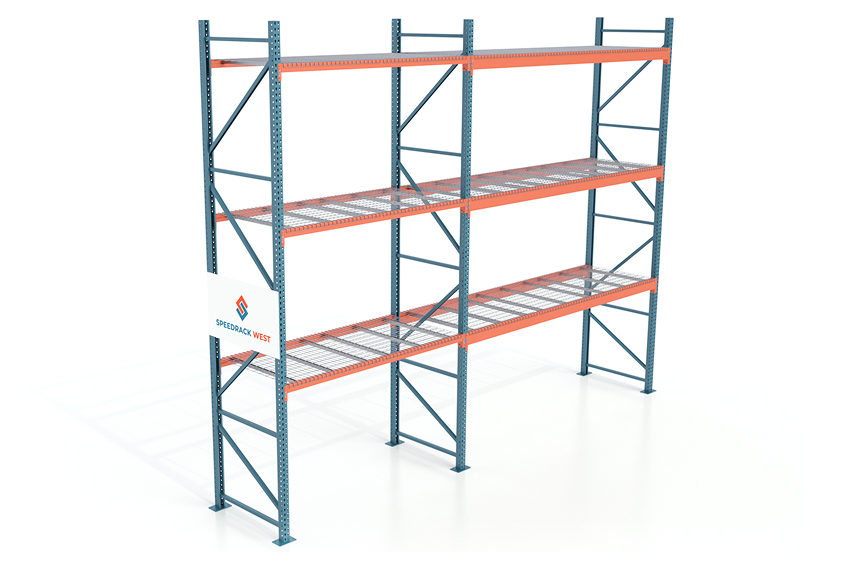
In modern industrial storage design, Pallet Rack Upright Frames represent the primary vertical load-bearing assemblies. Understanding column buckling, unbraced length ratios, shear connections, and seismic moment-frame interactions is paramount for procurement officers and warehouse engineering directors seeking maximum safety, structural longevity, and cost efficiency.
The total load capacity of a pallet rack upright frame is not merely a function of steel gauge thickness; it is fundamentally controlled by the unbraced length—the maximum vertical distance between the floor slab and the first beam level, or between consecutive beam levels.
According to the Rack Manufacturers Institute (RMI) specification ANSI MH16.1 and global Eurocode EN 15512 parameters, axial compression capacity drops non-linearly as unbraced height increases. When a lower beam level is removed to accommodate taller pallets without recalculating the system, the effective buckling length increases dramatically, reducing overall upright frame capacity by up to 45%.
Euler Buckling Resistance
Slenderness Ratio Control
Torsional-Flexural Instability Mitigation
2. Roll-Formed vs. Structural C-Channel Columns
Procurement teams frequently debate between cold-rolled teardrop frames and hot-rolled structural steel C-channel upright frames:
Roll-Formed Teardrop Frames: Fabricated from high-strength coil steel (typically 12-gauge to 14-gauge). Features continuous tear-drop keyhole punches spaced on 2-inch centers. Ideal for standard fast-moving distribution centers, providing rapid tool-less beam height adjustability and lower freight costs.
Structural C-Channel Frames: Hot-rolled steel channels (C3 or C4 profiles) joined by structural bolts. Delivers exceptionally high moment of inertia ($I_x, I_y$), making them immune to minor forklift fork impacts and highly suitable for heavy manufacturing, mining logistics, and outdoor or sub-zero environments.
Lima Storage & Shelving Systems S.A.C. manufactures and supplies precision-engineered upright frames tailored to specific pallet configurations, unit weight distributions, and facility ceiling clear heights.
Teardrop Upright Frames
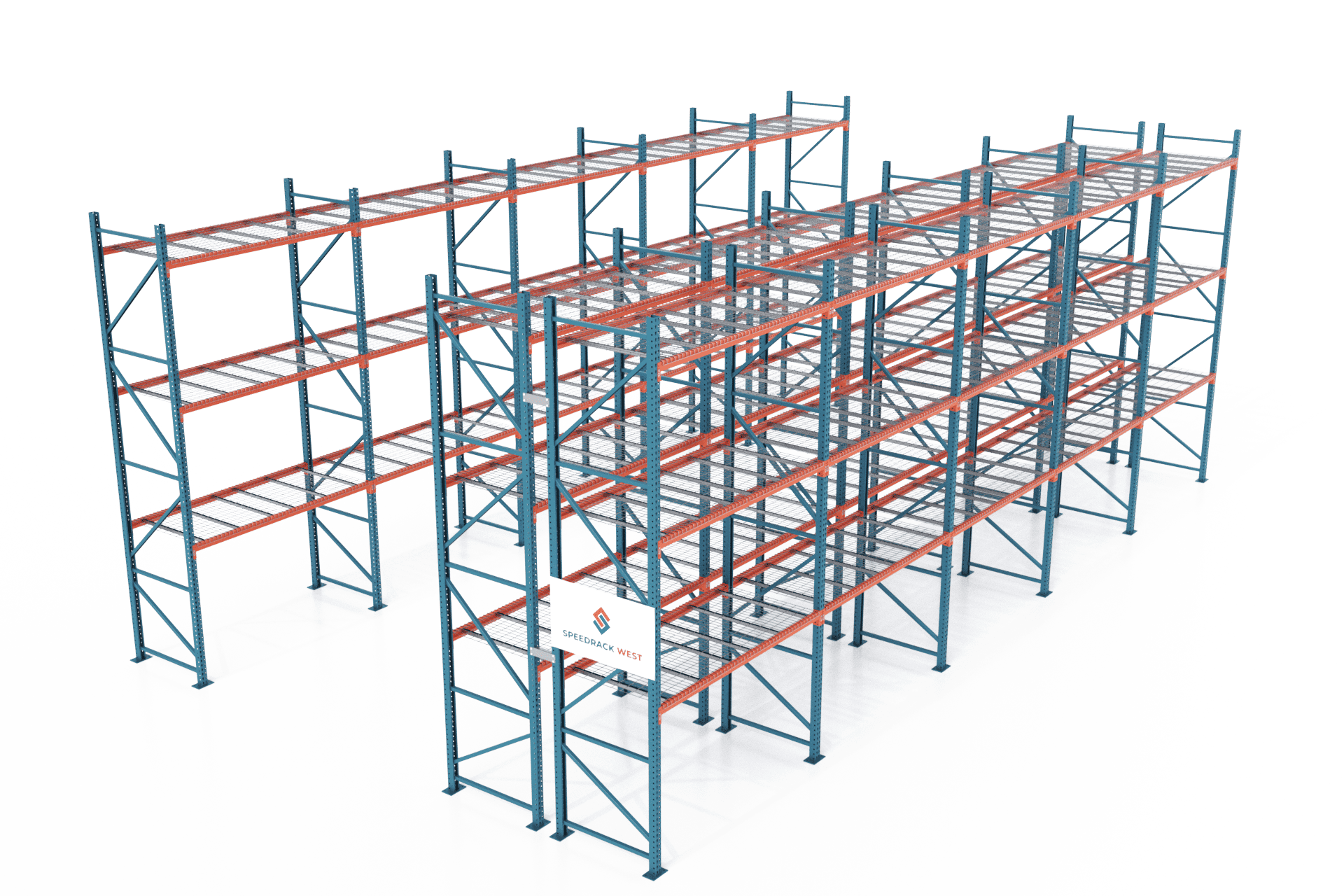
The global standard for selective pallet racking. Compatible with all major teardrop beam connectors. Features closed tubular or open C-section columns with heavy-gauge horizontal and diagonal K-bracing.
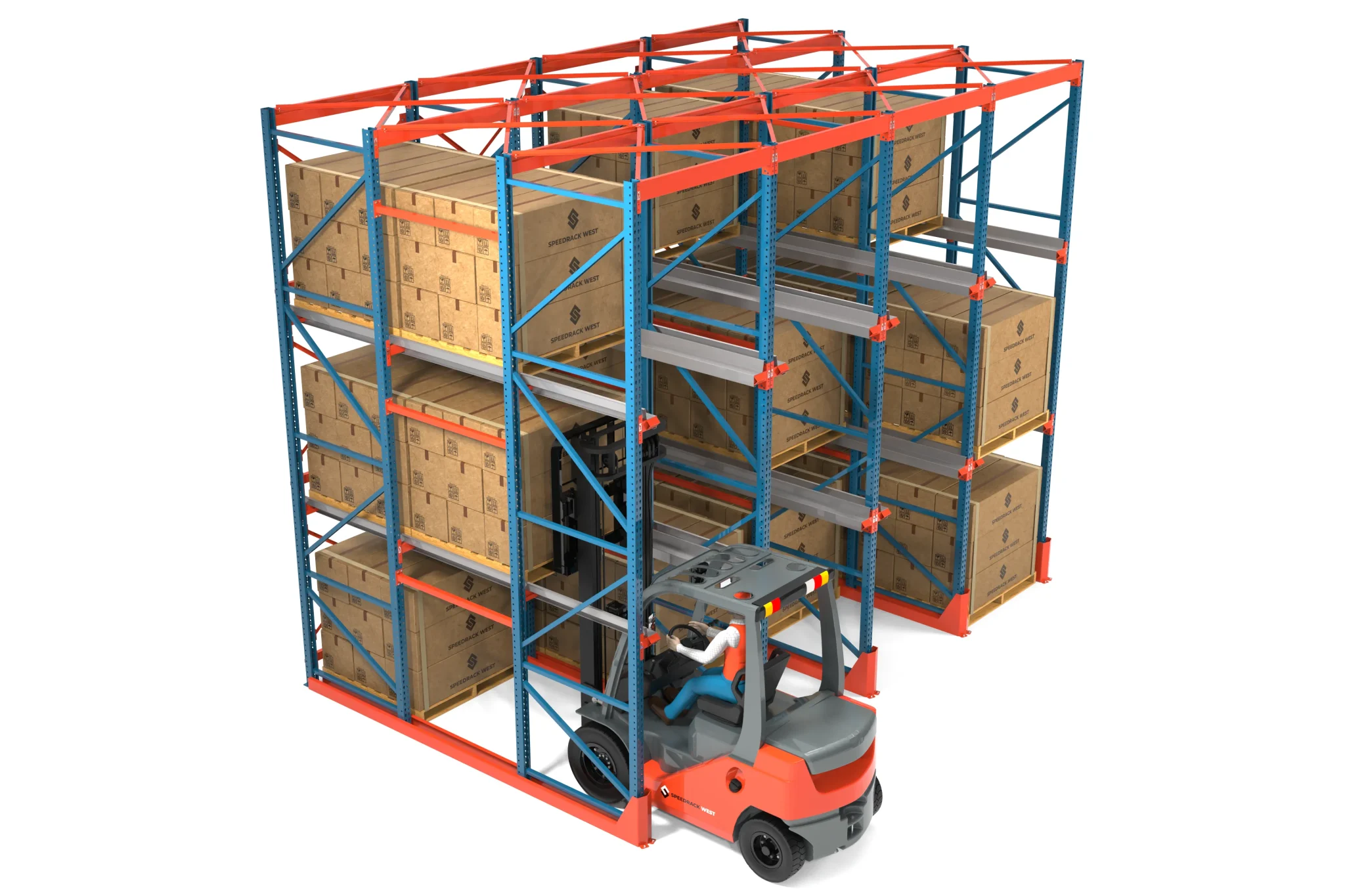
Engineered for extreme industrial loads, high forklift collision risk, and drive-in high-density systems. Constructed from hot-rolled C-channels with welded heavy-duty baseplates and Grade 5 structural bolting.
Hot-dip galvanized (HDG) or pre-galvanized upright frames built specifically for refrigerated cold storage warehouses, seafood processing operations, and humid coastal industrial parks (Callao, Lurín, Chilca).
Use this engineering matrix from Lima Storage & Shelving Systems S.A.C. to evaluate standard upright column capacities based on unbraced vertical beam spacing ($L_u$) and column profile gauge.
Standard Duty vs. Heavy Duty Roll-Formed Upright Frame Load Capacity (Lbs / Kg)
Column Profile & Dimensions
Steel Gauge / Thickness
Max Unbraced Height: 48" (1220 mm)
Max Unbraced Height: 60" (1524 mm)
Max Unbraced Height: 72" (1828 mm)
Recommended Application
3" x 3" (76mm x 76mm) Standard
14 Gauge (1.9 mm)
24,200 lbs (10,977 kg)
20,500 lbs (9,300 kg)
16,100 lbs (7,302 kg)
Standard FMCG, 1,000 kg pallets
3" x 3" (76mm x 76mm) Heavy
12 Gauge (2.7 mm)
31,500 lbs (14,288 kg)
27,200 lbs (12,337 kg)
22,400 lbs (10,160 kg)
High-density selective storage
4" x 3" (101mm x 76mm) Extra Heavy
12 Gauge (2.7 mm)
38,600 lbs (17,508 kg)
34,100 lbs (15,467 kg)
29,500 lbs (13,380 kg)
High-bay VNA & narrow aisle racking
C3 Hot-Rolled Structural Channel
Structural Steel (Channel 3.5 lb/ft)
45,000 lbs (20,411 kg)
41,200 lbs (18,688 kg)
36,800 lbs (16,692 kg)
Heavy industrial, beverage & mining
C4 Heavy Structural Steel Channel
Structural Steel (Channel 5.4 lb/ft)
56,000 lbs (25,401 kg)
52,500 lbs (23,813 kg)
48,000 lbs (21,772 kg)
Drive-in racking & harsh forklift zones
Anatomy Breakdown
Component Anatomy of Safe Upright Frames
Structural performance relies on harmony between four key structural elements of the upright assembly:
Vertical Columns (Post Profiles)
Cold-formed or hot-rolled structural steel sections engineered to resist axial compression and localized buckling caused by dynamic loading.
Horizontal & Diagonal Bracing Panels
Tubular or C-channel bracing welded or bolted in triangular lattice patterns to transfer lateral shear forces and preserve vertical alignment.
Seismic Footplates (Base Plates)
Heavy-duty steel plates (minimum 3/8" to 5/8" thickness in seismic Zone 4) that distribute column loads evenly across concrete slabs and house mechanical/chemical anchor bolts.
Integrated or floor-anchored steel guards protecting the bottom 18–24 inches of the front column face from direct forklift wheel impacts.
Industry Insight & Future Trends
Future Procurement & Development Trends in Pallet Rack Upright Frames (2026–2035)
As global supply chains accelerate automation, warehouse managers and enterprise buyers must evaluate how next-generation materials science, sensor technologies, and environmental compliance are re-shaping upright frame manufacturing and procurement strategies worldwide.
1. Smart Sensor Integration (IoT Structural Health Monitoring)
The integration of IoT micro-electromechanical sensors (MEMS) directly into high-risk upright frame columns is becoming standard practice in Tier-1 logistics centers. These wireless impact sensors log real-time forklift collisions, record structural strain acceleration, and broadcast automated alerts to maintenance teams prior to structural collapse.
Lima Storage & Shelving Systems S.A.C. works alongside smart facility engineers to specify pre-drilled bracket mounting slots for rapid retrofitting of automated telemetry devices.
2. Ultra-High-Strength Micro-Alloyed Steels
Metallurgical breakthroughs in micro-alloyed, cold-rolled steel coils (yielding 50,000 PSI to 65,000 PSI minimum yield strength) allow manufacturers to reduce frame tare weight while increasing ultimate axial load capacities. This results in significant ocean freight cost savings without sacrificing safety factors.
Lighter, high-strength frames also lower carbon transport footprints—aligning with corporate ESG mandates for green supply chain operations.
3. Dynamic Seismic-Response & Base Isolation Mechanics
In high seismic hazard regions (such as the Pacific Rim and South American coastal zones), traditional rigid anchor plates are evolving toward energy-dissipating seismic baseplates and friction dampers. These advanced upright bases flex during severe ground acceleration, absorbing lateral force vectors and preventing anchor bolt shear rupture.
4. EPD & Low-Carbon Green Steel Certifications
Global procurement tenders increasingly demand Environmental Product Declarations (EPDs). Pallet rack upright frames produced in Electric Arc Furnaces (EAF) using recycled steel scrap feature up to 70% lower embodied carbon compared to traditional blast-furnace steel. Lima Storage & Shelving Systems S.A.C. provides verified steel mill certificates for environmental audit readiness.
Why Global Buyers Specify Lima Storage & Shelving Systems S.A.C.
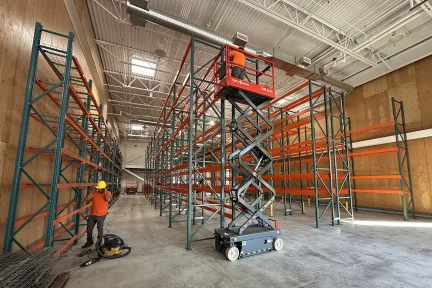
Selecting the right pallet rack upright frames requires local geological awareness, international manufacturing compliance, and flawless site installation. Here is how Lima Storage & Shelving Systems S.A.C. delivers unparalleled project execution:
Full Structural Compliance (Norma E.030)
Every frame configuration undergoes finite element analysis (FEA) to withstand high spectral accelerations in seismic Zone 4 coastal regions.
Turnkey Municipal ITSE Approval
We supply stamped structural drawings, concrete anchor torque verification files, and load capacity plaques mandatory for local municipal inspection approval.
Custom Frame Fabrication & Heavy Finishes
From 48-inch deep structural frames to hot-dip galvanized corrosion barriers for coastal Garúa fog, we tailor frame geometry to exact warehouse parameters.
3D Structural Simulation
Simulate Frame Deflection & Seismic Load Curves
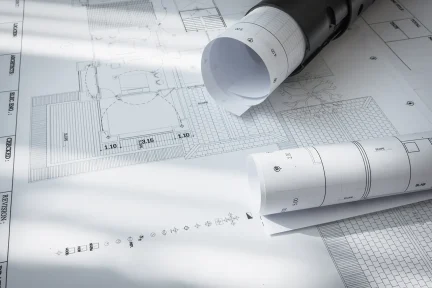
Our engineering team uses 3D BIM/CAD modeling to configure bay spacing, beam placement, and unbraced frame height before manufacturing begins.
Custom column punching matched to existing warehouse racking
How do I select the correct frame depth and column profile for 1.00 m x 1.20 m pallets?
For standard 1.00 m wide by 1.20 m deep pallets (common in South American and European logistics), the ideal frame depth is 1.10 m (42 inches). This depth allows a symmetrical 5 cm (2 inch) pallet overhang over both the front and rear load beams. Symmetrical overhang ensures the structural bottom deck boards rest directly above the steel beams while leaving sufficient clearance for forklift tines. Column profiles (3"x3", 4"x3", or C-channel structural steel) are calculated based on the total cumulative bay weight and the maximum unbraced height between beam levels.
What is the structural difference between roll-formed teardrop frames and structural steel frames?
Roll-formed teardrop frames are manufactured from high-tensile sheet coil steel (12 to 14 gauge) shaped cold into open C-sections or closed tubes with teardrop keyhole slots. They offer tool-less beam height adjustment and cost-effective shipping. Structural steel frames are made from hot-rolled C-channel profiles assembled with high-strength structural bolts. Structural frames provide superior torsional rigidity, extreme resistance to forklift impact, and higher overall weight capacities—making them ideal for heavy industrial facilities, freezer storage, and drive-in rack systems.
How does vertical beam level height affect the load-carrying capacity of Pallet Rack Upright Frames?
Frame capacity is non-linear and strictly dictated by the unbraced length ($L_u$), which is the maximum vertical distance from the slab to the first beam level, or between consecutive beam levels. As unbraced height increases, column susceptibility to Euler flexural buckling increases exponentially. For instance, increasing unbraced beam height from 48 inches to 72 inches can reduce frame capacity by over 30%. Never remove a lower beam level without consulting Lima Storage & Shelving Systems S.A.C. for structural recalculation.
How do Peruvian seismic codes (Norma Técnica E.030) impact upright frame engineering?
Under Norma Técnica E.030 (Diseño Sismorresistente), coastal regions such as Lima and Callao fall within Zone 4, requiring high design spectral acceleration factors ($Z = 0.45$). To prevent structural collapse during an earthquake, upright frames must feature expanded seismic footplates (often 3/8" to 5/8" thick steel), heavy-gauge column profiles, robust horizontal/diagonal lattice bracing, and anchor bolts rated for dynamic shear and uplift tension forces. Un-engineered frames imported from low-seismic countries will fail municipal ITSE safety audits.
Should a damaged upright column be repaired with an engineered splice or completely replaced?
Minor paint scuffs do not affect integrity, but any column dent exceeding 1/2 inch in depth, horizontal crease along a bend line, or twisted diagonal brace weakens structural integrity. Under RMI guidelines, damaged column sections can be repaired using engineer-certified bolt-on or weld-on splices if the damage is restricted to the lower post and executed by qualified personnel. If the damage extends across multiple bracing panels or upper columns, complete frame replacement is required to maintain certified safety ratings.
How do IoT smart sensors transform modern Pallet Rack Upright Frame safety monitoring?
Leading logistics operations now install wireless IoT impact sensors directly onto the lower sections of upright frame columns. These telemetry devices continuously record G-force accelerations caused by forklift impacts, measure column deflection, and transmit instant alert notifications to facility management dashboards. This automated tracking allows targeted structural inspections immediately after an event, preventing progressive structural fatigue.
Why is hot-dip galvanizing recommended for upright frames in coastal logistics zones like Callao and Lurín?
Coastal environments experience atmospheric Garúa fog and marine air, which can accelerate steel oxidation. Scratches on standard powder-coated uprights expose raw steel to moisture, leading to internal column rust. Hot-dip galvanizing (HDG) metallurgically bonds a protective zinc layer inside and outside the steel column profile, providing decades of corrosion immunity in cold storage facilities, chemical warehouses, and humid coastal operations.
Engineering Your Warehouse Upright Frame Layout?
Send us your floor plan, pallet dimensions, and target weight requirements. The structural engineering team at Lima Storage & Shelving Systems S.A.C. will provide certified calculations and a complete CAD proposal. Email: [email protected]