0%

Choosing the best Pallet Storage Racks in 2026 starts with the warehouse, not the product brochure. A rack that works well for fast-moving cartons may waste space when storing slow-moving, seasonal inventory. The right choice depends on pallet dimensions, load weights, SKU variety, forklift access, ceiling height, and how often stock moves. Small details matter. A few inches of lost clearance can affect both capacity and daily handling.

Industry data offers useful context, but it cannot select a rack system on its own. MHI and Deloitte’s 2024 Annual Industry Report found that 55% of surveyed supply chain professionals planned to increase investment in supply chain innovation. That finding supports a closer look at flexible layouts and technology-ready storage. It does not prove that automation, or any single rack type, suits every operation. That distinction matters. Selective racks provide direct access to each pallet; drive-in systems prioritize dense storage; push-back and pallet-flow designs can support different inventory patterns. Each also brings trade-offs in access, selectivity, and operating complexity.

This guide compares the leading options by capacity, accessibility, cost factors, and fit for common warehouse conditions. It also considers safety and practical planning, including load information and aisle clearances. No rack is best everywhere. A careful site assessment—and a second look at the assumptions behind a proposed layout—can prevent an expensive mismatch.
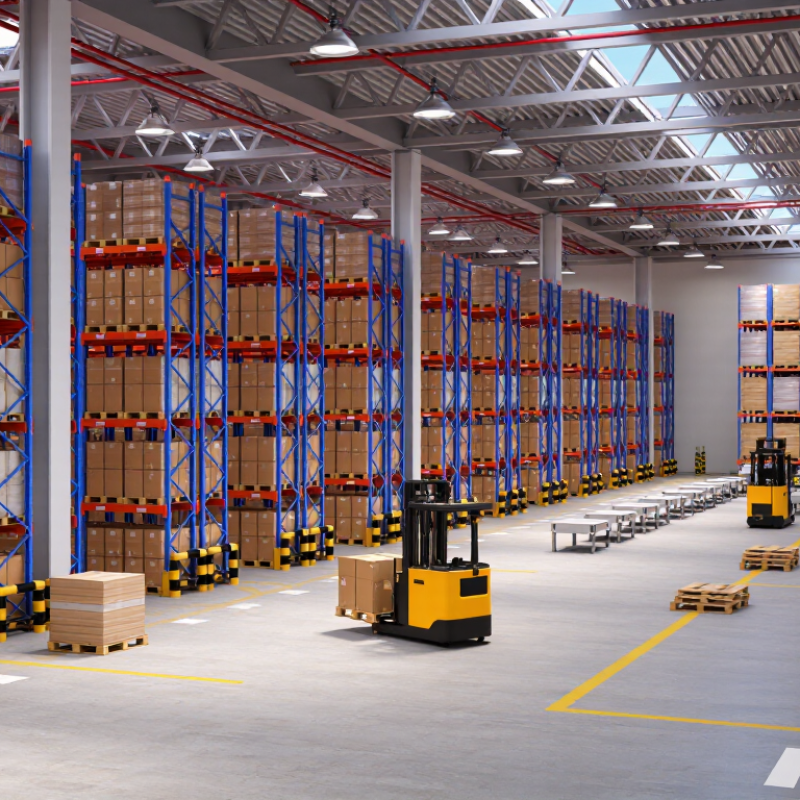
What Are the Best Pallet Storage Racks in 2026?

Understanding Pallet Storage Racks and How They Work

What Are the Best Pallet Storage Racks in 2026?
Understanding Pallet Storage Racks and How They Work

A pallet storage rack is a steel structure that holds palletized goods above the floor. Upright frames support horizontal beams, creating bays and storage levels. Forklifts place pallets onto the beams, while the rack transfers their weight through its frames to the floor. Each setup has a rated capacity, which depends on factors such as beam length, rack height, and load distribution. A pallet that looks stable may still be poorly supported if its base is damaged or does not fit the beams.

Rack design affects how goods move. Selective racks offer direct access to each pallet, which can help when products turn over frequently. Denser systems may store more pallets in less space, but can reduce access or require different loading practices. The trade-off is access. A layout can look efficient on paper, yet create awkward forklift turns in a busy aisle. Measure equipment, pallets, and clearances before choosing a configuration.

Tips: Check posted capacity information and keep loads within the stated limits. Inspect beams, uprights, and pallet condition regularly; report visible damage for assessment. Keep aisles clear, and train operators on consistent placement. Don’t assume every pallet is identical. Its weight and condition matter.

Comparing the Main Types of Pallet Rack Systems

Selective pallet rack gives operators direct access to every pallet position. That matters when orders change often or stock rotates quickly. Forklifts can approach each aisle without moving other loads. The cost is wider aisle space and fewer pallet positions per square foot. A simple floor plan can reveal this trade-off before installation. It is easy to overlook.

Double-deep racks store pallets two positions deep, increasing density while limiting access to the rear load. They usually require specialized reach trucks and tighter inventory planning.

Drive-in racks use shared lanes, making them useful for storing large batches of similar products. However, loading and retrieval follow a less flexible sequence.

Push-back racks offer several pallets deep on inclined carts, allowing faster access from the aisle than drive-in layouts.

Pallet-flow racks use rollers to move loads toward the picking face. They can support first-in, first-out rotation, but require careful attention to pallet condition and lane maintenance.

The best choice depends on more than storage capacity. Measure clear ceiling height, aisle width, pallet dimensions, and forklift turning space. Check how often staff need each SKU, and whether loads vary in size or weight. A dense system may look efficient on paper but slow daily picking. The right comparison includes handling time, access needs, and inspection routines, not just positions per square foot.

Assessing Capacity, Selectivity, and Space Efficiency

The best pallet storage rack in 2026 depends on the balance between load capacity, selectivity, and available floor space. Start with actual inventory data: pallet weight, dimensions, daily moves, and peak stock levels. A rack’s stated capacity applies only when its beams and frames are configured correctly. Verify the load signs against the installed layout, and keep a practical margin for uneven pallets or changing stock. Leave room for forklifts to turn. Tight aisles may save floor space but can slow put-away and increase handling difficulty. Measure the equipment, not just the building plan.

Selective pallet racks give direct access to every pallet, which suits varied products and frequent picking. Higher-density systems, such as drive-in or pallet flow racks, can reduce aisle space, but they limit access patterns or require more consistent inventory rotation. A warehouse handling many small orders may lose time if pallets sit several positions deep. Walk the routes with operators; a drawing can miss awkward turns near columns. There is no perfect layout, and one early capacity estimate may prove wrong. Compare expected pallet positions with usable positions after accounting for aisles, clearances, and building constraints. Have a qualified rack professional verify the design before installation.

Matching Rack Designs to Inventory and Warehouse Needs

Pallet rack selection starts with the inventory, not the building’s empty space. Standard selective racks suit warehouses that need direct access to many different pallets. They can work well when product turnover varies by aisle. The trade-off is clear: forklifts need working room, so storage density may be lower. Measure pallet dimensions, loaded weights, and lift-truck turning space before comparing layouts.

For larger quantities of fewer products, drive-in or drive-through racks can use floor space more densely. They require careful planning around pallet sequence and forklift movement. Push-back systems offer access to several pallets per lane, but their flow may not suit every picking routine. Test the idea against real order patterns. A spreadsheet can miss awkward pallet conditions.

Inventory rotation matters, too. First-in, first-out needs may favor flow-through designs, while last-in, first-out may be acceptable for some stable goods. Confirm rack capacity with qualified storage professionals, and check that the floor and uprights can support the planned loads. Leave room for inspection and repairs. This is often overlooked. A layout that looks efficient on paper can feel cramped once workers, pallets, and trucks share the aisle. Revisit the plan after a trial setup; actual movement may expose assumptions worth changing.

What Are the Best Pallet Storage Racks in 2026? — Matching Rack Designs to Inventory and Warehouse Needs

Rack design Pallet access and selectivity Storage density Best suited inventory Key advantages Main trade-offs Typical fit
Selective pallet rack Direct access to each pallet; very high selectivity Low to medium Many SKUs, mixed products, and inventory with frequent picking Simple layout; easy access for replenishment, cycle counting, and stock rotation Requires an aisle for each rack row, so it uses more floor space than dense-storage systems Warehouses prioritizing accessibility and SKU variety
Double-deep rack Two pallets deep; rear pallets are less accessible Medium to high Multiple pallets per SKU with moderate turnover Stores more pallets per aisle than single-deep selective rack Typically requires a reach truck or equivalent equipment; rear pallets may need to be moved before access Operations seeking a balance between storage density and access
Drive-in rack Forklift enters the rack lane; usually last-in, first-out (LIFO) High Large quantities of the same SKU with limited rotation requirements Reduces the number of access aisles and makes use of deeper storage lanes Lower selectivity; forklifts operate within the structure, requiring careful operation and rack protection Bulk storage of relatively uniform, non-perishable products
Drive-through rack Forklift can access lanes from both ends; can support first-in, first-out (FIFO) when operated accordingly High Bulk inventory where lot or date rotation is important Allows separate loading and retrieval ends for through-lane operation Needs access at both ends and careful lane management; selectivity remains lower than selective rack High-volume storage with planned stock rotation
Push-back rack Multiple pallets deep on inclined carts; typically last-in, first-out (LIFO) High Several pallets per SKU with frequent pallet movement More storage depth per aisle than selective rack while keeping loading and retrieval at the aisle face Not a FIFO system; carts and lane capacity must match pallet dimensions and operating practices Medium- to high-turnover products stored in multiple-pallet quantities
Pallet flow rack Pallets move by gravity from the loading side to the picking side; supports first-in, first-out (FIFO) High Perishable, dated, or otherwise rotation-sensitive goods with multiple pallets per SKU Separates replenishment from picking and helps maintain stock rotation Requires compatible pallets and suitable maintenance; flow lanes are generally dedicated to specific SKUs High-throughput operations with predictable product flow
Mobile pallet rack Direct access to a selected aisle; only the required aisle is opened at a time High, because fewer permanent aisles are needed Many SKUs where access is needed but floor space is limited Combines access to individual rack positions with reduced aisle space Access depends on opening an aisle; moving bases require appropriate controls, installation, and operating procedures Space-constrained warehouses with moderate access frequency

Selection note: Actual capacity and usable density depend on pallet dimensions and condition, load weight, clear height, aisle width, handling equipment, building constraints, and applicable design requirements. Have the rack layout and loads reviewed by a qualified rack designer or engineer, and follow local codes and manufacturer instructions.

Reviewing Safety Standards and 2026 Storage Trends

In 2026, pallet rack safety depends on more than a strong-looking frame. Start with the load rating posted on each rack, and confirm it matches the beams, uprights, and actual pallet weights. Requirements vary by location, so have a qualified professional check applicable standards and installation details. Keep aisles clear. Small details matter. Anchors should suit the floor, while upright guards can help reduce damage from forklift impacts. Staff should know how to report bent components, loose connections, or overloaded beams. A simple inspection log is useful, though it cannot replace a hands-on assessment.

Storage trends favor greater density, faster picking, and better visibility of inventory. Selective racks still work well when many products need direct access; drive-in or other high-density layouts may suit more uniform stock. Automation and warehouse software can help track locations, but they do not correct poor loading or blocked aisles. More density is not automatically safer. Measure forklift turning space and consider how loads enter and leave each lane. I have seen plans look efficient on paper, then feel awkward once pallets and people share the same space. Allow room for real operating habits, not just ideal ones.

What Are the Best Pallet Storage Racks in 2026? — Start with Pallet Size

Pallet footprint is one of the inputs to rack-bay planning. The chart compares common standardized pallet dimensions in millimeters; it does not indicate rack capacity or a safety rating.

Dimensions: ISO 6780 pallet sizes. Select and configure racks for the actual pallet and load, and verify design capacities and applicable safety requirements with a qualified professional.

FAQS

When is selective pallet racking a good choice?

It gives forklifts direct access to every pallet position. It suits warehouses with many products or changing order patterns. The trade-off is wider aisles and fewer positions per square foot.

How do double-deep racks increase storage density?

They store pallets two positions deep. This adds capacity but makes the rear pallet less accessible. Specialized reach trucks and careful inventory planning may be needed.

What types of inventory suit drive-in racks?

Drive-in racks can suit large batches of similar products. Forklifts use shared lanes, so loading and retrieval follow a less flexible sequence. Check the pallet order before choosing this layout.

How do push-back and pallet-flow racks differ?

Push-back racks store several pallets on inclined carts. Pallet-flow racks use rollers to move loads toward the picking face. Flow racks can support first-in, first-out rotation, but lanes need maintenance.

What measurements should be taken before planning a rack layout?

Measure ceiling height, aisle width, pallet dimensions, loaded weight, and forklift turning space. A paper plan can miss awkward movements. Test the layout with actual pallets if possible.

Which rack design supports different inventory rotation needs?

Flow-through racks may suit first-in, first-out needs. Last-in, first-out may work for some stable goods. Check real order patterns; a spreadsheet can miss awkward pallet conditions.

What safety checks matter for pallet racks?

Confirm posted load ratings match the beams, uprights, and actual pallet weights. Check anchors, clear aisles, and damaged components. Small details matter. Keep an inspection log, but arrange hands-on assessments too.

Do denser racks always improve warehouse operations?

No. Higher density can slow picking or leave too little room for forklifts and workers. Automation may help track inventory, but it cannot fix blocked aisles or poor loading. I may still underestimate how cramped a layout feels in daily use.

Conclusion

Choosing the best Pallet Storage Racks in 2026 starts with understanding how rack systems support, organize, and provide access to palletized goods. Common options differ in how they balance direct access to individual pallets, storage density, and movement through the warehouse. Comparing these systems helps businesses identify the right approach for their layout and operating needs.

A practical selection should consider load capacity, selectivity, available floor and vertical space, inventory turnover, and the equipment used to handle goods. The best design is one that accommodates current stock while allowing for changes in inventory and workflow. Safety also matters: racks should be suitable for their intended loads, inspected regularly, and used according to clear operating procedures. By weighing these factors alongside evolving storage trends, warehouse teams can make informed decisions that support efficient and reliable operations.

Charlotte

Charlotte

Charlotte is a professional marketing specialist with a strong understanding of the company’s products, customer needs, and the practical challenges customers face. She regularly contributes expert articles to the company website, sharing clear, useful information that helps readers understand......