0%

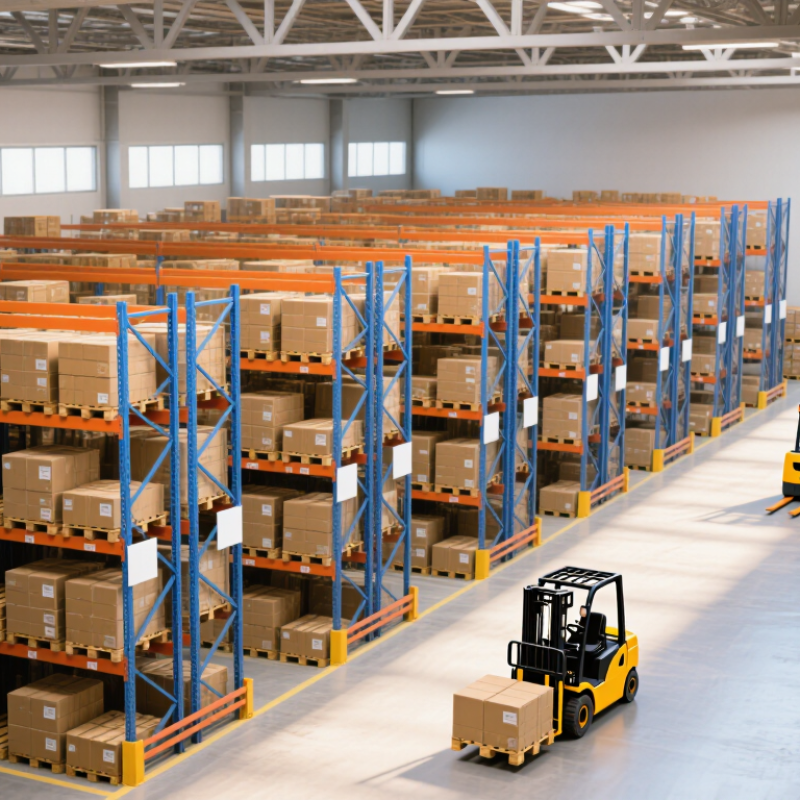
A warehouse can look spacious at floor level and still run out of usable capacity. Pallets occupy broad lanes, replenishment slows, and workers may waste time moving stock to reach items stored behind it. A well-planned Pallet Storage Racking System uses vertical space to organize goods and improve access. It can support clearer inventory locations, more predictable picking, and better use of a building’s footprint. The difference is visible: labeled beams, open aisles, and pallets placed where equipment can reach them.

The right setup depends on more than rack height. Pallet dimensions, product weight, forklift turning space, and day-to-day traffic all matter. A layout that looks efficient on a drawing may feel cramped when a loaded forklift enters a narrow aisle. That deserves a second look. Rack capacity must be checked against actual loads, and damaged components should not be ignored. For transparency, this article uses an illustrative—not verified—quotation from fictional warehouse-design specialist Daniel Mercer: “Good pallet storage is not just about fitting more pallets; it is about making every load accessible, stable, and easy to manage.” The principle is practical, even if the exact trade-offs vary by site. Some facilities need selective access; others can accept denser storage with fewer direct pick locations. Understanding those choices helps explain why businesses choose a Pallet Storage Racking System—and what they should evaluate before installation.
Why Choose a Pallet Storage Racking System?

What Is a Pallet Storage Racking System?

A pallet storage racking system is a steel framework that stores palletized goods above the floor. Upright frames support horizontal beams, creating adjustable shelf levels for loads handled by forklifts. In selective racking, each pallet is accessible from an aisle. Other layouts, such as drive-in racks, store pallets more densely but limit direct access to some loads.

The details matter. Beam height, aisle width, pallet dimensions, and floor condition all affect how the system works. A rack must also suit the load’s weight and shape. OSHA’s guidance on materials handling emphasizes stable storage and keeping aisles clear. In practice, even a slightly damaged upright deserves attention; it can be easy to overlook during a busy shift.

Racking is physical infrastructure, not a substitute for good inventory control. MHI’s 2024 Annual Industry Report found that 55% of surveyed supply-chain professionals planned to increase technology investment. That figure describes technology spending, not rack performance, but it shows why storage layouts increasingly need to work with digital tracking. The fit is not automatic. Poorly matched rack spacing can leave wasted gaps or awkward forklift turns.

How Does Pallet Racking Organize Warehouse Storage?

Pallet racking organizes warehouse storage by giving each pallet a defined position within a steel frame. Upright columns and horizontal beams create levels, so goods can use vertical space instead of spreading across the floor. In selective racking, forklifts can reach individual pallets from an aisle. Clear location labels help workers match stock records with the right bay and level. Small detail. It matters.

A practical layout groups products by movement and handling needs. Fast-moving cartons can sit near dispatch, while slower stock may occupy higher levels or less convenient aisles. Each pallet position should suit the load’s dimensions and weight, with beam ratings visible to operators. Wider aisles may improve forklift access but reduce storage capacity, so the choice depends on equipment and daily traffic. There is no perfect layout for every warehouse.

Reliable organization also depends on consistent checks. Staff should look for bent uprights, loose components, damaged pallets, and blocked access. A rack can appear orderly while one overloaded beam creates a weak point. That is easy to miss during a busy shift. Keeping heavier loads at lower levels and updating location records after moves can reduce avoidable handling errors. The layout may need adjustment as inventory changes.

Which Racking Configurations Suit Different Storage Needs?

Why Choose a Pallet Storage Racking System?

Which Racking Configurations Suit Different Storage Needs?

Selective pallet racking gives direct access to every pallet, making it practical for warehouses with many SKUs. Forklifts need clear aisles, so storage density may be lower. Still, fast picking can outweigh the lost floor space. A simple trade-off.

Drive-in racking stores pallets several positions deep and suits larger quantities of the same product. It can reduce aisle space, but forklifts travel inside the lanes. This requires consistent pallet sizes and careful operating practices. It is less convenient when many products move daily.

Push-back systems place pallets on nested carts, allowing several pallets per lane while keeping access from one side. Pallet flow racking uses inclined rollers, with loading at one end and picking at the other. It can support first-in, first-out rotation, though roller maintenance and pallet condition matter. For long materials, cantilever racks may suit better than standard pallet beams. Match the configuration to pallet dimensions, load weight, turnover, and handling equipment. Check beam ratings and floor capacity with a qualified racking professional before installation. We sometimes focus too much on maximum capacity. Access, replenishment, and safe clearances deserve equal attention. Warehouses change, and a layout that works today may not fit next year’s inventory.

What Benefits Does Pallet Racking Offer?

Pallet racking turns unused vertical space into accessible storage. A forklift can place full pallets above floor-level stock, freeing ground space for staging and picking. That can matter in a busy warehouse where receiving pallets otherwise block a packing lane. Selective racks also provide direct access to each stored pallet, though they may use floor space less densely than drive-in systems.

The MHI 2024 Annual Industry Report found that 55% of surveyed supply chain professionals planned to adopt robotics and automation within five years. Racking does not automate a warehouse by itself, but clear rack locations and consistent aisle layouts can support later technology upgrades. Better visibility, too. Workers can locate labeled pallet positions more quickly, while organized storage helps reduce unnecessary handling. Results depend on layout and daily practices, not just the steel.

A sound design matches beam capacity, pallet dimensions, forklift turning space, and floor conditions. Load signs should be visible, and damaged uprights need prompt assessment. Small details matter. A rack that looks sturdy may still be overloaded or poorly anchored. Even a well-planned layout can disappoint if fast-moving goods sit far from dispatch; review travel paths after operations begin.

Why Choose a Pallet Storage Racking System?

Matching rack layouts to pallet sizes helps organize stored goods and make efficient use of warehouse space. The chart compares the floor area of three common pallet footprints; it does not represent rack capacity.

Areas are calculated from nominal pallet dimensions. Actual storage capacity depends on rack design, load limits, aisle widths, and warehouse layout.

What Factors Should Guide Your Racking System Choice?

Choosing a pallet storage racking system starts with the goods, not the empty floor. Record each pallet’s loaded weight, dimensions, and condition; mixed loads can change the design. Then consider how often each SKU moves. Fast-moving products usually benefit from direct access, while slower stock may suit denser layouts. A few minutes spent checking real inventory data can prevent awkward bays later. It is not glamorous, but it matters.

Measure clear height, aisle widths, doorways, columns, and the turning path of your actual forklift. A layout that looks efficient on paper may leave too little room for safe handling. Confirm the floor can support the proposed loads, and account for sprinklers, lighting, and other overhead equipment. Ask a qualified racking professional to review the layout and load information. Small measurement errors become expensive.

Think about future changes, too. If pallet sizes or order volume may shift, modular beams and adjustable levels can help, though flexibility costs space and money. Decide whether access speed or storage density matters more on an ordinary working day. Include installation, inspections, and protection from likely forklift impacts in the budget. There is no perfect layout. I would revisit the assumptions after a trial period, because warehouse habits often differ from the plan.

FAQS

What is a pallet storage racking system?

It is a steel framework with upright frames and horizontal beams. Forklifts place pallets on adjustable levels above the floor. Simple, but not foolproof.

How does pallet racking organize warehouse goods?

Each pallet has a defined bay and level. Clear labels help workers match stored goods with inventory records. Small details matter.

What is the difference between selective and drive-in racking?

Selective racking provides aisle access to individual pallets. Drive-in layouts can store pallets more densely, but some loads are harder to reach.

What should guide the choice of a racking layout?

Consider pallet dimensions, loaded weight, product movement, and forklift turning space. The best layout depends on daily work, not just a floor plan.

How should warehouse measurements affect rack selection?

Measure clear height, aisles, doorways, columns, and forklift paths. Also check floor capacity and overhead equipment. Small measurement errors matter.

Where should heavy and fast-moving pallets be stored?

Heavy loads generally belong on lower levels. Fast-moving goods may be placed near dispatch, if that suits the workflow.

What should workers check during rack inspections?

Look for bent uprights, loose components, damaged pallets, overloaded beams, and blocked aisles. A busy shift can hide a small defect.

Can a racking layout adapt to changing inventory?

Adjustable beams and levels may help when pallet sizes or order volumes change. Flexibility can cost space and money, so review the trade-off.

Does digital inventory tracking make racking more effective?

Tracking can connect stock records with rack locations, but it cannot fix poor spacing or awkward forklift turns. I’d recheck the layout after a trial period.

Conclusion

A Pallet Storage Racking System is a structured way to store palletized goods in a warehouse, making better use of available floor space and vertical height. By arranging loads in clearly defined rows and levels, it helps create orderly storage locations and supports more efficient receiving, picking, and stock management. Different configurations can suit different needs: selective racks offer convenient access to individual pallets, while denser layouts can increase capacity when product movement or access requirements allow.

Choosing the right system depends on more than storage capacity. Consider the size and weight of pallets, inventory turnover, handling equipment, aisle width, building height, and the level of access each item requires. A well-matched design can improve space utilization, support smoother warehouse operations, and make stored goods easier to locate. Careful planning helps ensure the racking arrangement fits both current workflows and future changes in inventory or demand.

Charlotte

Charlotte

Charlotte is a professional marketing specialist with a strong understanding of the company’s products, customer needs, and the practical challenges customers face. She regularly contributes expert articles to the company website, sharing clear, useful information that helps readers understand......