Featured CE Certified Pallet Racking & Shelving Systems
Explore our high-load industrial racking systems engineered with certified Q235B/Q355B structural steel, compliant with European EN 15512 safety codes and international seismic design specifications.
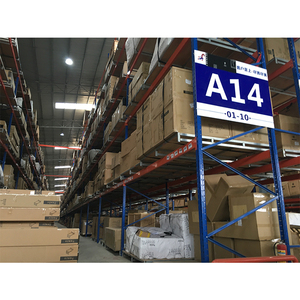
Industrial Storage Rack Heavy Duty Steel Pallet Rack System for Warehouse Organization
View System Details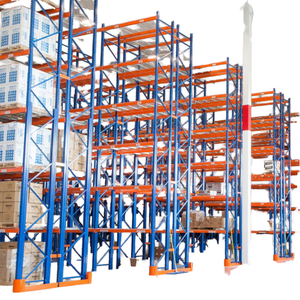
Logistics Center Pallet Rack OEM Manufacturer Q235B Steel Heavy Duty Shelf 4000kg Capacity
View System Details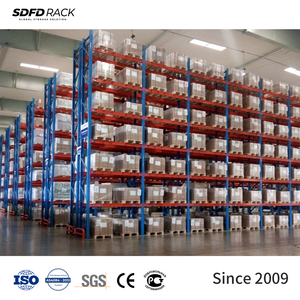
Heavy Duty Industrial Storage Shelving Steel Pallet Racks Selective Assembly System
View System Details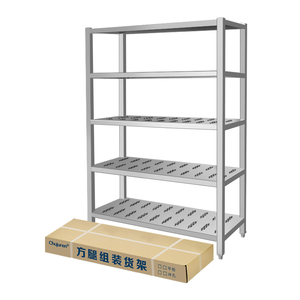
Customizable Stainless Steel Storage Shelving Rack Square Legs Strong & Durable
View System Details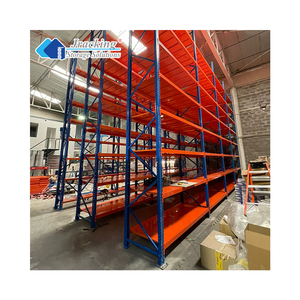
Jracking Dexion Style Warehouse Shelving Heavy Duty Selective Pallet Rack
View System Details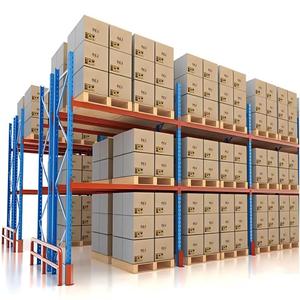
Adjustable Durable Storage Rack Powder Coated CE Heavy Duty AU Standard Pallet Racking
View System Details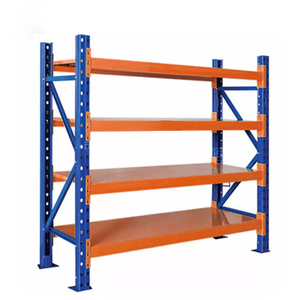
Gravity Flow Adjustable Steel 5-Layer Warehouse Storage Racks with Easy Assembly
View System Details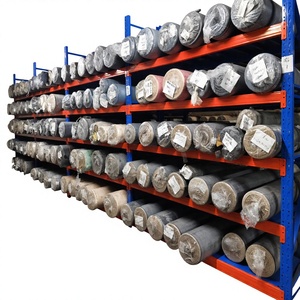
Super Load-Bearing Commercial Steel Multi-Level Medium Duty Storage Rack
View System DetailsEngineering Authority: The Rigor Behind CE Certified Pallet Racking Systems
In modern high-density logistics, industrial warehousing is no longer merely about racking steel beams; it is a discipline governed by rigorous structural engineering, metallurgical consistency, and international safety compliance. As leading CE Certified Pallet Shelf Rack Exporters & Wholesalers, we deliver engineered steel structures designed to withstand static dead loads, dynamic live forces, seismic oscillations, and demanding operational cycles in high-throughput distribution centers worldwide.
European Regulation (EU) No 305/2011 (Construction Products Regulation or CPR) mandates strict Factory Production Control (FPC) for load-bearing steel components. Our manufacturing processes strictly adhere to EN 1090-1 (Execution of steel structures) and EN 15512 (Steel static storage systems - Adjustable pallet racking systems - Principles for structural design). Every upright frame, box beam, and bracing member is fabricated from high-tensile certified steel coils (Q235B and Q355B grades), backed by full chemical composition and yield-strength traceability.
Technical Benchmark: Structural Finite Element Analysis (FEA)
To guarantee complete structural reliability under maximum load-bearing conditions, our engineering department performs computer-simulated Finite Element Analysis (FEA) on custom frame profiles. By modeling localized buckling, beam-to-column connector rigidity (moment-rotation curves), and second-order P-Delta geometrical non-linearities, our heavy-duty racking systems achieve optimal strength-to-weight ratios without sacrificing safety margins.
Enterprise Advantages: Why Global Wholesalers Choose Our Manufacturing Platform
As an established OEM and wholesale exporter, our production infrastructure is built for high volume, custom dimensional adaptability, and stringent quality control. Below are the primary enterprise capabilities that differentiate our racking systems in competitive international tenders:
Certified CE & ISO 9001 Compliance
Complete structural verification according to EN 15512, EN 1090-1, FEM 10.2.02, and ANSI/RMI MH16.1 standards. Factory inspection protocols guarantee every export shipment contains full mechanical testing records and mill certificates.
Precision Automated Roll-Forming
Utilizing multi-stage continuous roll-forming lines with online laser punching, our upright columns exhibit dimensional tolerances under ±0.5mm. This guarantees flawless field assembly, perfect pitch alignment, and seamless drop-lock beam engagements.
High-Durability Surface Coatings
Automated 9-stage pre-treatment wash coupled with thermosetting epoxy-polyester electrostatic powder coating (60–80 micron thickness). Offers high resistance to impact, chemical exposure, and humidity, with hot-dip galvanized options for cold storage facilities.
Engineering Comparison: Heavy-Duty Industrial Racking Architectures
Selecting the correct structural configuration requires balancing pallet density, individual SKU accessibility, floor slab loading, and fork-truck operational tolerances. The table below highlights key engineering performance parameters across our primary wholesale pallet rack categories:
| Racking Architecture | Pallet Access Type | Max Load per Level | Storage Density | Primary Industry Application |
|---|---|---|---|---|
| Selective Pallet Rack | 100% Immediate Access | 4,000 kg / Pair | Standard (40-50%) | FMCG, 3PL Warehousing, Retail Distribution |
| Drive-In / Drive-Thru | LIFO / FIFO Lanes | 1,500 kg / Pallet | Ultra High (75-85%) | Cold Storage, Beverage, Seasonal Bulk Goods |
| Push-Back Rack System | LIFO Carts (2-6 Deep) | 1,400 kg / Cart | High (65-75%) | Food Processing, Medium SKU Batch Logistics |
| Gravity Pallet Flow Rack | Strict FIFO Rollers | 1,200 kg / Pallet | Maximum FIFO (80-90%) | Pharmaceuticals, Perishable Foods, Buffer Lines |
| Heavy Duty Cantilever | Unobstructed Frontal | 6,000 kg / Column | Variable (Long Loads) | Steel Tubing, Lumber Yards, Aluminum Profiles |
Global Industrial Racking Development Trends
The industrial storage equipment sector is undergoing rapid evolution driven by automation, space monetization, and sustainable supply chain imperatives. Key technological trends redefining pallet rack manufacturing include:
1. Integration with Automated Storage and Retrieval Systems (ASRS)
As labor costs rise and urban warehouse footprint costs escalate, traditional manual selective racking is increasingly giving way to high-bay rack-clad buildings and ASRS integration. These systems demand extremely tight structural tolerances (compliant with FEM 10.2.09 standards) to accommodate stacker cranes, shuttle cars, and automated guided vehicles (AGVs) operating at heights exceeding 30 meters.
2. Advanced High-Strength Micro-Alloyed Steel Grades
To reduce steel resource consumption while maintaining load performance, structural manufacturers are shifting from standard carbon structural steels toward micro-alloyed cold-rolled steels (e.g., Strenx, Q355B/Q460). These higher yield-strength alloys allow for thinner profile gauges, lower shipping deadweight, and reduced embodied carbon without compromising safety factors.
3. Seismic Hazard Mitigation Engineering
Global regulatory bodies increasingly enforce strict seismic performance parameters. Modern rack engineering incorporates custom floor baseplates, heavy-duty wedge anchor arrays, semi-rigid beam-column connectors, and engineered diagonal vertical bracing towers capable of dissipating energy during severe seismic events (compliant with Chilean NCh2369, US RMI/IBC, and Peru Norma E.030).
Future Procurement Trends for B2B Importers & Wholesalers
For international buyers, distributors, and EPC contractors procuring heavy-duty pallet shelf racks, purchasing strategies are shifting from simple per-ton price evaluation to comprehensive life-cycle value analysis. Consider the following strategic procurement imperatives:
- Total Cost of Ownership (TCO) vs. Initial Steel Cost: Importers are factoring in shipping container cube utilization, installation speed, damage resistance, and long-term modular expandability rather than focusing solely on upfront FOB pricing.
- Mandatory Certification & Traceability Verification: European and North American buyers require full CE Declaration of Performance (DoP), mill certificates (EN 10204 3.1), and third-party weld testing (NDT/UT) prior to issuing release orders.
- Modular Scalability & Interchangeable Profiles: Wholesalers prefer versatile beam connector designs (e.g., universal 50mm and 75mm pitch patterns, Dexion/Speedrack style geometry) that allow end-users to adjust beam levels tool-free as pallet dimensions fluctuate.
- Supply Chain Sustainability & Carbon Footprint Audits: Enterprise buyers are requesting Environmental Product Declarations (EPD) and energy-efficient powder coating production records to align with corporate ESG guidelines.
Frequently Asked Questions (Procurement FAQ)
Technical questions answered by our senior structural engineering and export compliance team.
What exact CE standards govern industrial pallet rack exports to the European Union?
What is the difference between Q235B steel and Q355B steel in racking profiles?
How do you calculate frame loading capacities and beam safety factors?
Can your pallet rack systems be customized for Australian (AS4084) or US (RMI) standards?
What surface finish should be specified for humid or cold-room environments?
How are heavy-duty racking orders packaged for ocean container transport?
Do you offer OEM custom manufacturing based on CAD drawings?
Plan Your High-Density Storage System Today
Partner with a certified exporter and OEM manufacturer. Request a complimentary engineering evaluation, CAD rack layout design, and competitive factory-direct wholesale quote.
Contact Us