Certified Warehouse Storage Racking Systems
Explore our engineered structural steel racking inventory. Designed for high volume, heavy capacity, and maximum footprint utilization.
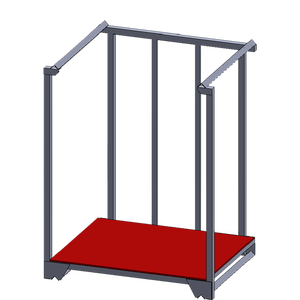
CASE CARTER OEM Warehouse Welded Standard Movable Stacking Storage Nestainer Rack Palletainer
View Product Details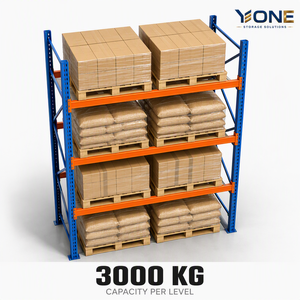
Factory Heavy Duty Steel Pallet Rack 2000kg Capacity Warehouse Storage Rack System Boltless Adjustable
View Product Details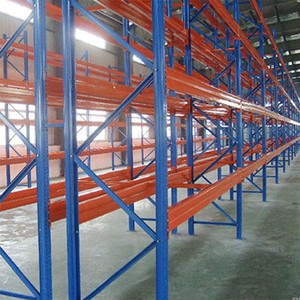
Factory Price 4-Layer Steel Corrosion Protection Warehouse Storage Rack Units 2000kg 3000kg
View Product Details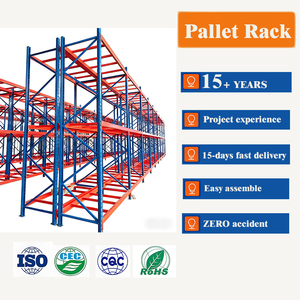
Heavy Duty Industrial Steel Durable Warehouse Pallet Racking System Adjustable Shelving Racks
View Product Details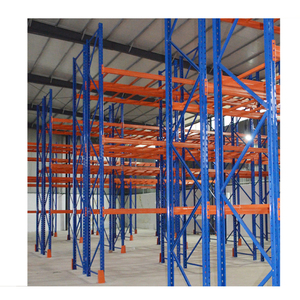
Storage Shelf Warehouse Heavy Duty Industrial Pallet Racking Narrow Aisle Selective Rack
View Product Details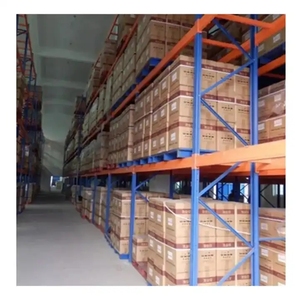
Industrial Shelving Medium Duty Steel Rack Storage Equipment Certificated Warehouse Metal Racks
View Product Details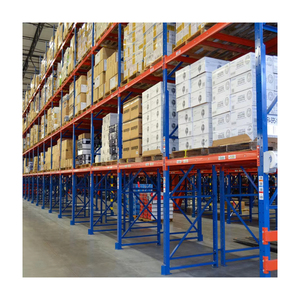
Wholesale Price Heavy Duty Storage Racks Warehouse Stacking Racks Selective Steel Pallet Rack
View Product Details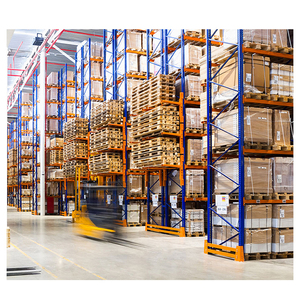
Adjustable Heavy Duty Pallet Rack System Selective Steel Beam Racking for Industrial Warehouse
View Product DetailsEngineering Overview: High-Density CE Certified Push Back Pallet Racking
In modern industrial logistics, optimizing volumetric efficiency without sacrificing operational velocity is paramount. As premier CE certified push back pallet racking manufacturers, we design engineered storage systems that bridge the operational gap between standard selective racking and high-density drive-in configurations. Push back racking systems leverage nested, inclined cart channels that allow forklifts to deposit pallets up to six deep per bay face on a Last-In, First-Out (LIFO) inventory management framework.
When evaluating structural integrity, standard commercial steel shelving frequently falls short under dynamic lateral load forces and heavy pallet duty cycles. CE certification mandates adherence to strict European structural directives, specifically EN 15512 (Steel static storage systems - Adjustable pallet racking systems - Principles for structural design) and EN 15635 for application and maintenance. Our manufacturing facilities employ high-tensile cold-rolled Q235B and Q355B structural steel, ensuring structural yield reserves under full-bay load capacities exceeding 1,500 kg per pallet position.
The Kinematics of Nested Cart Mechanics
The engineering core of our push back rack system lies in its nested cart mechanics. Unlike gravity flow racking which requires separate loading and picking aisles, push back racking utilizes a single front-aisle loading face. Pallets are placed by standard counterbalance or reach trucks onto the topmost nested cart. When the subsequent pallet is loaded, the forklift operator uses the incoming unit to gently push the existing pallet backward along heavy-duty structural steel inclined rails set at a precise 2% to 3% pitch grade.
Nested Telescoping Carts
Low-profile steel cart assemblies slide over one another, minimizing lost vertical space and maximizing lift clearance.
Precision Bearing Wheels
Machined steel wheels equipped with sealed precision bearings deliver low rolling resistance and resistance to debris jamming.
Dynamic Momentum Dampeners
Integrated pneumatic and mechanical speed governors control downward descent velocities during pallet retrieval processes.
Engineering Comparison: High-Density Pallet Storage Architectures
Selecting the optimal warehouse racking infrastructure requires balancing spatial footprint optimization against SKU accessibility, equipment capital expenditure, and seismic safety requirements. The table below outlines technical operational metrics across core industrial rack configurations:
| Storage System Type | Volumetric Footprint Efficiency | Selective SKU Access | Access Flow Dynamics | Aisle Space Requirements | Structural CE / Seismic Rating |
|---|---|---|---|---|---|
| Push Back Pallet Rack | 75% - 85% Utilization | Medium (1 SKU per lane) | LIFO (Last-In, First-Out) | Single Front Aisle Only | High Resilience (EN 15512 / E.030) |
| Selective Pallet Racking | 40% - 50% Utilization | 100% Direct Access | FIFO / LIFO Flexible | Multiple Wide / Narrow Aisles | Standard Baseline |
| Drive-In Racking | 80% - 90% Utilization | Low (1 SKU per bay) | Strict LIFO | Internal Forklift Drive Lanes | Requires Heavy Rack Guarding |
| Pallet Flow Racking | 85% - 90% Utilization | Medium (1 SKU per lane) | Strict FIFO | Dual Aisles (Load & Pick) | High Complex Roller Maintenance |
CE Certification Requirements & Structural Integrity Standards
For international supply chain managers and facility developers operating across South America, North America, and Europe, purchasing warehouse racking certified to international standard frameworks is non-negotiable. Our enterprise manufacturing processes adhere strictly to the CE mark parameters governing heavy structural steel fabrications.
Structural integrity calculations account for both static gravity loads (dead load of rack components + live load of stored goods) and dynamic transient forces. Seismic dynamic modeling is verified using finite element analysis (FEA) compliant with local and regional building standards, such as Norma Técnica E.030 Diseño Sismorresistente in seismic Zone 4 coastal sectors. This guarantees upright frames resist axial buckling, baseplate shear failure, and beam connector shear dislocation during seismic oscillations.
Key Structural Compliance Verification Factors
Our structural design engineering team verifies three critical parameters prior to manufacturing sign-off:
- Column Profile Frame Buckling Resistance: Closed-tube or multi-flanged open upright profiles engineered to resist lateral torsional buckling under maximum design load combinations.
- Beam-to-Column Connection Rigidity: Multi-prong drop-in hooks forged from heavy-gauge structural steel, equipped with automatic mechanical safety locks that prevent accidental disengagement during forklift loading impacts.
- Concrete Floor Anchorage Anchorage Verification: Dual wedge anchor anchoring on heavy-duty footplates to distribute localized column loads into the concrete slab without exceeding slab shear punch capacity limits.
Future Purchasing Trends in Push Back Pallet Racking (2025–2030)
As warehouse operations undergo digital transformation and push toward zero-carbon industrial footprints, the procurement criteria for industrial racking systems are rapidly shifting. Buyers are moving away from commodity steel purchases toward integrated, smart-compatible structural infrastructure.
IoT Sensor & Load Cell Integration
Real-time telemetry sensors embedded into dynamic push-back carts track load weight distribution, lane occupancy, and cart speed performance via WMS API interfaces.
Cold-Chain Energy Density Optimization
With refrigeration costs soaring, cold-storage operators are adopting 4 to 6-deep push-back systems to shrink cold room building envelopes, driving down utility costs by up to 35%.
Hybrid Eco-Coating Systems
Transitioning toward low-VOC thermosetting powder coatings and heavy hot-dip galvanizing for marine coastal facilities, offering superior resistance against garúa humidity and industrial airborne pollutants.
Modern procurement directors are prioritizing suppliers capable of providing comprehensive CAD layout design, certified structural engineering reports, municipal ITSE documentation support, and modular system scalability. By choosing CE certified push back pallet racking manufacturers, enterprise clients secure long-term asset value and compliance flexibility.
Why Partner With Our Engineering & Manufacturing Hub
With decades of specialized industrial engineering expertise, our organization delivers complete turn-key racking solutions tailored to client warehouse floor plans. We handle every phase of your project lifecycle—from initial physical site survey and CAD layout optimization to precision manufacturing, structural calculation sign-offs, dynamic safety testing, and professional on-site installation.
Whether you require high-density push-back racking for FMCG distribution, anti-corrosive stacking nestainer racks for agricultural cold stores, or structural cantilever systems for heavy industrial metals, our engineering team ensures your project is delivered on schedule, within budget, and in strict alignment with CE, EN, and local seismic regulations.
Frequently Asked Questions (FAQ) - Push Back Racking Procurement
Review engineering answers to critical purchasing, installation, and operational safety questions regarding push back pallet rack systems.
Why is CE certification critical for push back pallet racking systems?
How many pallets deep can a push back rack system be designed?
Can standard forklifts operate with a push back pallet racking system?
How does a push back racking system compare in cost to selective racking?
What maintenance is required for nested carts and inclination rails?
Are your push back systems engineered for high seismic hazard zones?
What pallet types are compatible with push back nested carts?
Optimize Your Warehouse Storage Density Today
Request a complementary CAD layout design, structural engineering review, and customized quotation from our enterprise project team.
Contact Us