High-Density Cantilever Racking Systems
CE & ISO9001 Certified Heavy-Duty Steel Cantilever Racks Engineered for Extreme Load Capacities
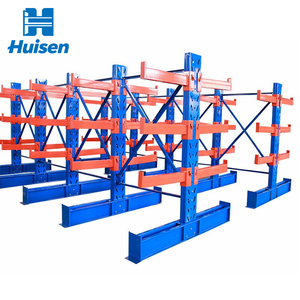
High Density Industrial Steel Single & Double Side Cantilever Rack Shelving
View Product Specifications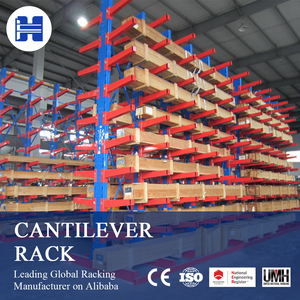
High-Strength Q235B Steel CE Certified Cantilever Rack Heavy Duty System
View Product Specifications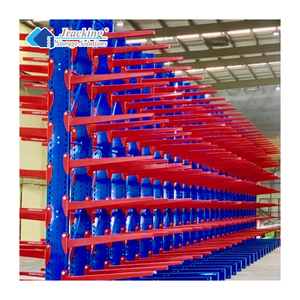
CE-Certified Heavy-Duty Cantilever Racking System for Cold Storage & Pipes
View Product Specifications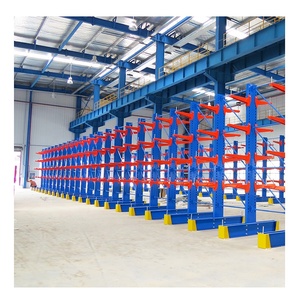
Industrial Heavy-Duty Cantilever Racking System for Metal Profile Storage
View Product Specifications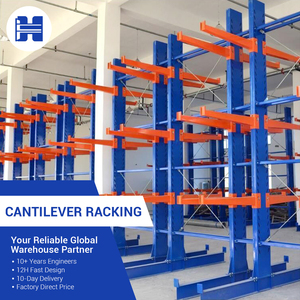
Customized Heavy Duty Long Material Industrial Storage Cantilever Solution
View Product Specifications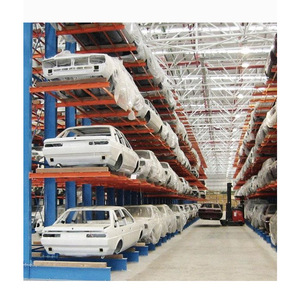
Heavy-Duty Cantilever Racking System Engineered for Vehicle & Car Storage
View Product Specifications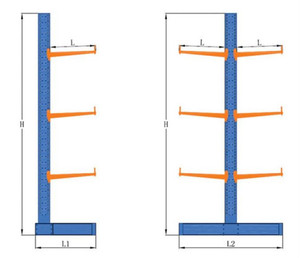
Wholesale Factory Heavy Duty Industrial Structural Metal Cantilever Racks
View Product Specifications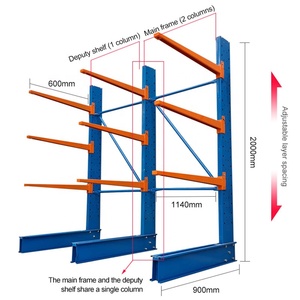
Custom Powder Coated Indoor Heavy Duty Storage Cantilever Racking System
View Product SpecificationsIndustrial Cantilever Racking: Structural Dynamics & Metallurgical Superiority
In modern supply chain architecture, storing non-standard, long-format, and high-density materials presents a unique mechanical challenge. Standard pallet racking systems, constrained by vertical front columns, are structurally unequipped to handle continuous horizontal bundles such as structural steel profiles, PVC tubing, timber packs, aluminum extrusions, and heavy automotive chassis. As a premier China cantilever racking manufacturer & supplier, our engineering paradigm is built upon eliminating handling friction while maximizing vertical cubic space utilization.
"Structural integrity in heavy-duty cantilever racking is determined by moment arm resistance, dynamic column deflection limits (L/180), and base connection rigidity. Choosing the optimal profile—Roll-Formed vs. Hot-Rolled Structural Steel—directly dictates lifetime yield safety."
Roll-Formed vs. Hot-Rolled Structural Steel Cantilever Systems
Understanding the core mechanical differences between roll-formed steel and hot-rolled structural steel profiles is vital for procurement engineering teams. Both configurations offer unique load-to-weight ratios depending on operational intensity and forklift impact vulnerability.
| Engineering Parameter | Roll-Formed Cantilever Racking | Hot-Rolled Structural I-Beam Cantilever |
|---|---|---|
| Steel Grade | High-tensile cold-rolled Q235B / Q355B steel strip | Solid hot-rolled H-Beam / I-Beam structural steel |
| Load Capacity Per Arm | Light to Heavy Duty (Up to 1,000 kg / arm) | Extra Heavy Duty (1,000 kg to 6,000+ kg / arm) |
| Impact Resistance | Moderate; flexible under nominal load shifts | Maximum; exceptionally resilient against severe forklift impact |
| Arm Connection Method | Hairpin / Keyhole lock pin connection with safety bolts | Heavy-duty 4 to 6 bolt-on grade 8.8 structural plate flange |
| Primary Applications | Light timber, plastic pipes, conduit, aluminum trims | Heavy steel plates, rebar bundles, vehicles, machinery parts |
| Cost Optimization | Highly cost-effective for standard high-density logistics | Premium structural investment for extreme industrial environments |
Mechanical Anatomy of a High-Capacity Cantilever Bay
Every customized cantilever racking system manufactured in our state-of-the-art facilities undergoes rigorous Finite Element Analysis (FEA) to verify stress distribution under full asymmetrical loading conditions. The core assembly relies on four tightly integrated structural elements:
1. Vertical Columns & Base Members
Fabricated from heavy-section C-channel or I-beam profiles, vertical columns transfer total moment load directly into reinforced warehouse slab concrete via heavy-duty anchor bolts. Base members are welded or bolted to the column footings to ensure anti-topple stability.
2. Load-Bearing Cantilever Arms
Engineered with a slight 2-degree upward angle pitch, arms compensate for natural load deflection under full weight. Options include straight arms for flat packs, inclined arms for cylindrical materials, and removable retention pins to prevent stock roll-off.
3. Horizontal & X-Bracing Assemblies
Heavy tubular and structural angle steel bracing connects adjacent vertical columns longitudinally. X-bracing delivers exceptional lateral stability, resisting seismic excitation and torsional twisting across long warehouse aisles.
4. Surface Treatment & Corrosion Protection
All finished steel surfaces undergo 7-stage chemical degreasing, zinc phosphate pretreatment, and outdoor-grade thermosetting powder coating (60-80 microns). Hot-Dip Galvanizing (HDG) to ISO 1461 is applied for outdoor yards and cold storage environments.
Why Partner with China's Premier Racking Manufacturer?
Combining Advanced CNC Automation, Rigorous Metallurgical Auditing, and Direct Factory Supply Chains
Automated Robotic Welding & Fabrication
Our manufacturing lines feature 6-axis Panasonic robotic welding stations ensuring 100% penetration weld integrity across arm brackets and column flanges, virtually eliminating human fatigue variance.
ISO 9001 & CE Quality Compliance
From raw material structural steel coil sampling to final salt-spray corrosion chamber testing, every batch is fully traceable under strict ISO 9001, CE, ANSI RMI, and FEM 10.2.09 engineering guidelines.
Tailored CAD & 3D BIM Engineering
We provide full layout CAD modeling, structural dynamic load calculations, and 3D building information modeling (BIM) integration prior to mass production, guaranteeing seamless on-site installation.
Future Procurement Trends in Heavy Material Storage (2025–2030)
Navigating Industry 4.0 Automation, Sustainable Coatings, and Smart Heavy-Duty Logistics
1. AGV & Mobile Robot Integration with Cantilever Infrastructure
Traditional manual forklift pick operations are rapidly transitioning toward Automated Guided Vehicles (AGVs) and Heavy-Load Autonomous Mobile Robots (AMRs). Future cantilever racking designs require wider base clearances, high-precision laser reflector alignment points, and magnetic guiding channels embedded directly into lower guide rails for pin-point automated long-goods picking.
2. Smart Load Sensors & Real-Time Deflection Monitoring
IoT-enabled strain gauge sensors are becoming standard in high-tier logistics hubs. Attached to critical cantilever arms and vertical base connections, these sensors transmit real-time micro-deflection data to warehouse management software (WMS), alerting facility managers to accidental overload, structural fatigue, or forklift impact before catastrophic failure occurs.
3. Next-Gen Eco-Coatings & Zinc-Aluminum-Magnesium Alloys
With environmental compliance tightening across Europe and North America, global procurement is shifting away from traditional solvent-based paints toward low-VOC thermosetting powder systems and Zinc-Aluminum-Magnesium (ZAM) coated steel coils. ZAM coatings provide up to 5 times superior corrosion resistance compared to standard galvanizing in aggressive coastal environments.
4. Telescopic & Dynamic Adjustable Arm Mechanisms
To keep pace with rapidly changing SKU length profiles, modern warehouses are adopting push-button motorized telescopic arms and tool-less quick-adjust pin systems. This allows a single rack bay to switch seamlessly between 3-meter copper tubing and 12-meter structural timber without requiring site shutdown or structural re-welding.
Engineering Procurement Checklist for B2B Buyers
When sourcing cantilever racking systems directly from China manufacturers, verifying the following engineering factors guarantees maximum operational safety and project ROI:
1. Material Test Certificates (MTC)
Demand EN 10204 3.1 steel mill test certificates verifying exact yield strength (minimum 235 MPa for Q235B, 355 MPa for Q355B) and chemical composition for sulfur and phosphorus control.
2. Deflection & Safety Factor Ratios
Ensure arm load design incorporates a minimum safety factor of 1.65 to 2.0 against yield stress, with maximum allowable arm tip deflection capped at L/180 under nominal rated load.
3. Forklift Operating Clearances
Factor in your handling machinery type—Side Loaders, Combilifts, or Standard Counterbalance Trucks—to establish optimal aisle widths and protective floor-mounted guide rails.
Frequently Asked Questions (FAQ)
Technical & Procurement Clarity for International Logistics Operations
Request Your Customized Cantilever Layout & Factory Quote Today
Connect directly with our engineering sales team for custom CAD design drawings, load-bearing verification, and competitive factory-direct pricing tailored to your exact warehouse footprint.