Featured Industrial Storage & Racking Systems
Explore certified heavy-duty warehouse storage racks manufactured from high-tensile cold-rolled steel, designed for maximum load stability and spatial efficiency.
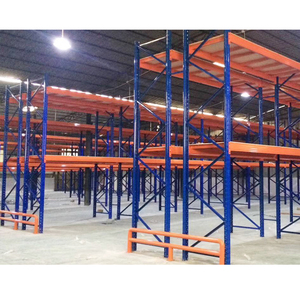
Chinese Manufacture Heavy Duty Metal Pallet Rack Shelving Wood Pallet Racks and Shelves
View Product Details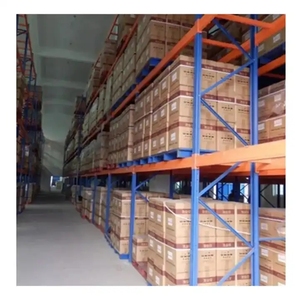
Industrial Shelving Medium Shelf Duty Steel Rack Storage Equipment Certificated Warehouse Metal Racks
View Product Details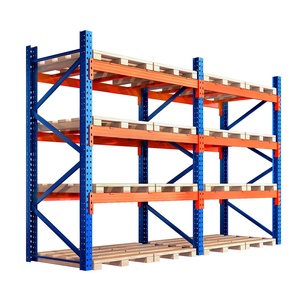
Industrial Heavy Duty Storage Shelves system Stacking Units Metal Rack Warehouse Steel Pallet Racking
View Product Details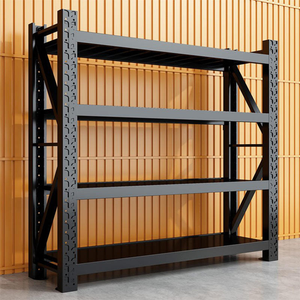
Durable Medium Duty Selective Pallet Racking System Corrosion Protection Cold Rolled Steel Warehouse Storage Rack
View Product Details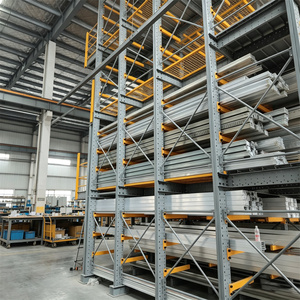
Customized Heavy Duty Cantilever Racks, Strong Load Capacity for Long-Strip Materials & Piping Storage
View Product Details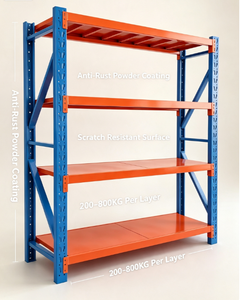
High Load Capacity Adjustable Multi Tier Steel Shelves Boltless Warehouse Storage Rack for Commercial Use
View Product Details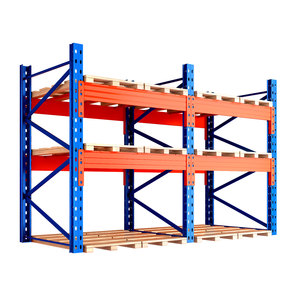
Heavy Duty Industrial Storage Shelves System Metal Rack Stacking Units Warehouse Steel Industrial Pallet Racking
View Product Details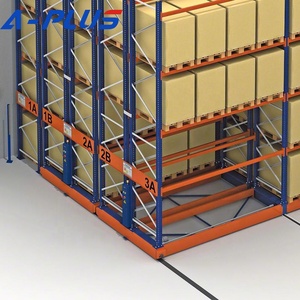
Motor Control Electrical Movable Heavy Duty Pallet Rack / Electric Mobile Racking System for Warehouse Storage
View Product DetailsWhy Leading Global Logistics Hubs Source Racking from China
A rigorous engineering framework, high-speed automated roll-forming, and strict structural testing ensure every pallet rack system delivers uncompromised safety and vertical space optimization.
Custom CAD Layouts & FEA Analysis
Every facility has distinct constraints. Our structural engineering team delivers free 2D/3D CAD warehouse layout blueprints alongside Finite Element Analysis (FEA) to verify stress distribution, safety factors, and load capacities prior to steel roll-forming.
Seismic Design Compliance
Engineered to withstand high dynamic forces, our racking structures comply with international seismic standards (including RMI, FEM 10.2.02, and regional seismic zoning requirements like Peru's Norma Técnica E.030). We optimize baseplate dimensions, anchor bolt depth, and row-spacer configurations for earthquake-prone zones.
Automated Cold-Rolled Steel Milling
Utilizing high-grade Q235B and Q355B structural steel, our automated CNC punching and continuous roll-forming lines guarantee millimeter-accurate upright beam pitch (50mm/75mm adjustment steps) and flawless weld penetration across frame cross-bracing.
Advanced Anti-Corrosion Finishes
Protecting steel from garúa coastal humidity, chemical exposure, and sub-zero freezer condensation. We offer thermo-hardened epoxy powder coating (60-80μm thickness) and Hot-Dip Galvanizing (HDG) to ensure decades of rust-free operation.
Turnkey Direct Factory OEM/ODM
By eliminating middleman markups, wholesale procurement directors gain direct access to manufacturing pricing, fully custom beam lengths, specialized frame colors, custom wire mesh deck configurations, and branded safety signage.
Rigorous Quality Audits & Logistics
From chemical raw material testing to load deflection trials, our ISO 9001 quality assurance protocol monitors every bundle. Products are securely packed in protective strapping for international container freight with zero transit damage.
Industrial Racking System Comparison & Specifications
Selecting the optimal pallet racking configuration requires balancing storage density, pallet accessibility (FIFO vs. LIFO), material handling equipment clearance, and total structural investment.
| Racking Type | Primary Load Capacity | Floor Space Utilization | Stock Access (Rotation) | Ideal Application / Industry |
|---|---|---|---|---|
| Selective Pallet Racking | 1,000 kg – 4,500 kg / level | 35% - 40% | 100% Direct Access (FIFO/LIFO) | FMCG, 3PL Warehouses, Multi-SKU Distribution Hubs |
| Heavy Duty Drive-In Racks | 1,000 kg – 2,000 kg / pallet | 65% - 75% | Last-In, First-Out (LIFO) | Cold Storage, Agro-Export, High-Volume Single SKU |
| Push-Back Cart Racking | 1,000 kg – 1,500 kg / cart | 55% - 65% | LIFO (2 to 6 Pallets Deep) | Beverage Distribution, High-Density Bulk Storage |
| Electric Mobile Racking | Up to 24,000 kg / bay | 80% - 85% | 100% Selective Access via Automation | Freezer Warehouses, High-Cost Real Estate Facilities |
| Custom Cantilever Racks | 500 kg – 3,000 kg / arm | Variable (Linear) | Direct Unobstructed Access | Steel Pipes, Lumber, Aluminum Profiles, Long Stock |
| Multi-Tier Boltless Shelving | 200 kg – 800 kg / shelf | 50% - 70% (Vertical) | 100% Manual Hand-Pick Access | E-commerce Picking, Automotive Parts, Hardware SKUs |
Engineering Insight: Calculating Beam Deflection & Safety Factors
Under international standards (RMI & FEM), the maximum acceptable beam deflection under full static load must not exceed L/180 (where L is the clear beam length). For example, a 2,700mm beam carrying two 1,200kg pallets should experience less than 15mm of flex at center-span. Chinese top manufacturers utilize safety factors ranging from 1.5 to 1.65 on structural yield stress, guaranteeing peace of mind under accidental dynamic forklift impacts.
Future Procurement & Racking Technology Trends
As global supply chains navigate volatile shipping costs, labor shortages, and warehouse land constraints, industrial racking is evolving from static steel shelving into intelligent, high-density infrastructure.
1. Transition Toward Automated High-Density Systems (AS/RS & Radio Shuttle)
Traditional floor storage and wide-aisle selective racking are rapidly giving way to Four-Way Radio Shuttle systems and Automated Storage and Retrieval Systems (AS/RS). Modern enterprise procurement managers prioritize vertical height utilization—building upwards to 24–40 meters. China’s advanced racking factories lead this movement by manufacturing precision-guided shuttle tracks and high-tolerance structural uprights designed to integrate seamlessly with automated crane guidance systems and WMS (Warehouse Management Software).
2. Green Steel Manufacturing & Lifecycle Sustainability
Decarbonization requirements across European, North American, and Latin American supply chains are driving strict material audits. Top Chinese manufacturers are incorporating recycled electric-arc furnace (EAF) steel alongside low-VOC, solvent-free powder coatings. Furthermore, modular racking components designed for easy dismantle, expansion, and re-usability ensure long-term sustainability and higher scrap asset recovery value.
3. Precision Surface Engineering for Extreme Environments
With the explosive expansion of cold-chain logistics for pharmaceuticals and perishable fresh produce, racking structural integrity in sub-zero environments (-30°C) is paramount. Standard coatings become brittle under extreme freezing. Procurement trends show a massive surge in demand for pre-galvanized cold-formed profiles and hot-dip galvanized steel frames that prevent micro-fracturing and chemical corrosion caused by frequent washdowns and Garúa coastal humidity.
4. Total Cost of Ownership (TCO) & Seismic Risk Mitigation
Overseas procurement directors no longer evaluate quotes based purely on FOB steel weight. Instead, buyers evaluate the Total Cost of Ownership (TCO)—factoring in installation speed, local building permit approval ease (such as municipal ITSE fire and structural safety clearances), structural replacement cost, and boltless floor-anchoring efficiency. Racking systems certified for high seismic zones prevent catastrophic collapse, protecting multi-million dollar inventory assets and worker lives.
Frequently Asked Questions (FAQ) for Racking Buyers
Detailed technical answers to help procurement officers, logistics managers, and warehouse operations specialists make informed sourcing decisions.