Precision-Engineered OEM Pallet Racking Systems
Certified structural steel racking systems manufactured to rigorous international safety and load-bearing standards.
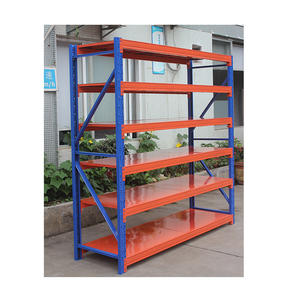
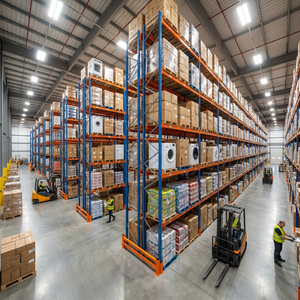
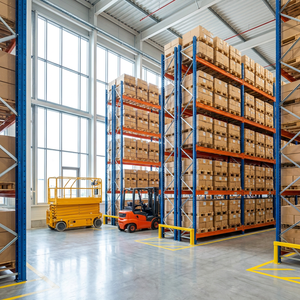
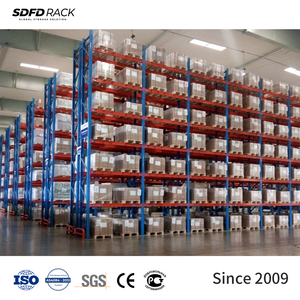
Engineering Excellence in Custom OEM Pallet Racking Manufacturing
A comprehensive technical guide to specifying, engineering, and procuring high-capacity industrial warehouse storage systems.
In modern industrial logistics, warehouse racking systems have evolved from static storage shelving into highly specialized, load-critical structural engineering assets. As a premier custom OEM warehouse pallet racks manufacturer & supplier, we integrate certified metallurgical raw materials, structural Finite Element Analysis (FEA), and advanced roll-forming technology to deliver optimized, high-density storage solutions tailored to global operational environments.
Information Gain: Structural Steel Yield Strength & Cold-Roll Precision
Standard pallet rack profiles often rely on baseline steel grades. Our OEM production lines utilize high-tensile Q235B and Q355B structural steel grades, engineered via automated cold-roll forming to preserve material ductility while enhancing structural rigidity under multi-directional dynamic loading. This guarantees resistance to structural buckling and stress fatigue under continuous forklift operational cycles.
Structural Anatomy of High-Load Pallet Racks
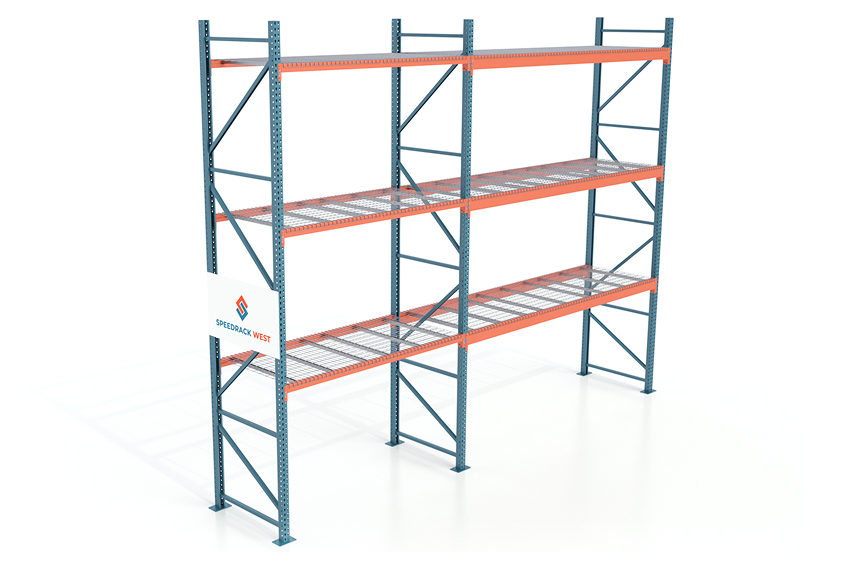
Every high-performance pallet rack installation relies on balanced load distribution across five core structural sub-assemblies. Weakness in any single component compromises total system stability.
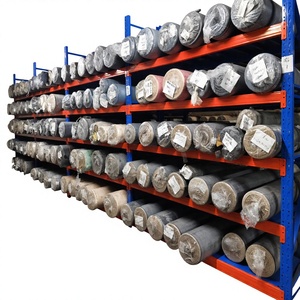
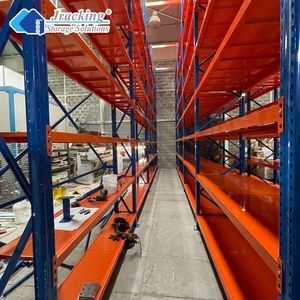
- Upright Columns & Bracing: Cold-formed C-sections with optimized pitch punching (50mm / 75mm / 76.2mm teardrop) paired with diagonal and horizontal structural bracing.
- Box Beams & Step Beams: Dual-C profile interlocking beams with automatic robot-welded connector jaws for uniform moment transfer.
- Safety Locks & Pins: Mechanical drop-pins preventing accidental beam dislodgement from high-impact forklift masts.
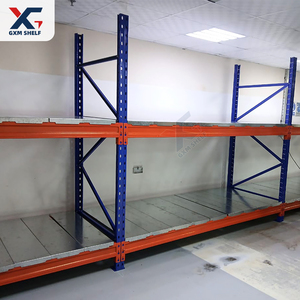
- Wire Mesh Decking: Electro-galvanized or powder-coated wire decks with under-welded channel supports for undersized load distribution and fire sprinkler compliance.
- Anchoring Baseplates: Heavy-gauge base plates engineered for high-shear concrete expansion anchors or chemical epoxy setting.
Racking System Architectures Compared
Selecting the optimal racking geometry based on SKU density, handling equipment, and inventory turnover velocity.
Selective Pallet Racking
Provides 100% direct access to every pallet position. Ideal for low-density, high-SKU distribution centers requiring immediate pick versatility.
Drive-In & Drive-Thru Racking
Maximizes floor area utilization up to 85% by eliminating aisle space. Forklifts enter racking lanes to store pallets on continuous support rails.
Push-Back Cart Systems
Nested rolling carts operate on inclined structural channels. Store pallets 2-to-6 deep in a Last-In, First-Out (LIFO) arrangement with high selectivity.
| Racking System Type | Storage Density | Pallet Selectivity | Stock Rotation Model | Max Load Rating / Bay | Ideal Industry Application |
|---|---|---|---|---|---|
| Selective Racking | Moderate (40-50%) | 100% Direct Access | FIFO / LIFO Flexible | Up to 24,000 kg | FMCG, General Logistics, E-commerce |
| Drive-In Racking | High (75-85%) | Low (~15-20%) | Strict LIFO | Up to 18,000 kg | Cold Storage, Agro-Export, Beverage |
| Push-Back Racking | High (65-75%) | Moderate (40%) | LIFO per Lane | Up to 20,000 kg | Pharmaceuticals, Batch Manufacturing |
| Pallet Flow Gravity | Very High (85%+) | Moderate (30%) | Automatic FIFO | Up to 22,000 kg | Perishable Foods, High-Turnover Distribution |
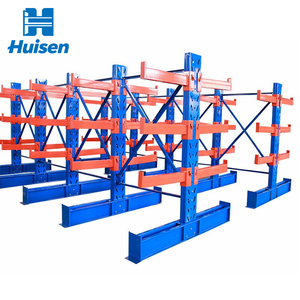
| Heavy-Duty Cantilever | Variable | 100% Length Access | Direct Access | Custom Heavy Duty | Steel Tubing, Lumber yard, Building Materials |
Why Global Logistics Directors Choose Our OEM Custom Racks
Direct manufacturing control from structural engineering design to final surface finishing.
Seismic Engineering (FEM & ANSI Compliance)
Calculated for vertical live/dead loads and lateral seismic forces (Norma E.030, ANSI MH16.1, FEM 10.2.02 standards). Customized column height-to-depth ratios and oversized floor anchor plates ensure stability during seismic events.
Advanced Anti-Corrosion Finishing
For high-humidity coastal hubs or cold storage sub-zero environments, we offer thermosetting epoxy-polyester powder coating (60–90 µm) and Hot-Dip Galvanizing (HDG) conforming to ISO 1461 to stop rust and chemical degradation.
Turnkey CAD Layout & Custom Tooling
Our in-house structural engineering department generates full 2D layout drawings and 3D building information modeling (BIM) files, providing dynamic clearance checks, forklift turning radius calculations, and custom rack sizing.
Future Procurement Trends in Industrial Storage Architecture
Strategic insights for procurement officers preparing for next-generation automated warehousing ecosystems.
1. Integration with Autonomous Mobile Robots (AMR) & AGVs
Traditional pallet racking was designed around human-driven forklifts with wide tolerance margins. The modern procurement trend demands ultra-precise roll-forming tolerances (+/- 1.0mm per bay) to allow seamlessly automated rack loading by Autonomous Guided Vehicles (AGVs) and shuttle car systems. OEM integration now includes integrated optical reflection sensors and magnetic guiding tracks built into the structural upright frames.
2. Hyper-Density Cold Chain Energy Optimization
With global cold-chain operating costs rising, logistics facility operators are shifting toward ultra-dense automated rack formats (ASRS & Radioshuttle systems). Storing goods in -25°C environments requires specialized micro-alloy steel with low-temperature impact toughness to eliminate brittle fracture risks under extreme temperature cycles.
3. Green Steel & Decarbonized OEM Manufacturing
ESG compliance is dictating international procurement requirements. Supply chain leaders increasingly mandate low-carbon "Green Steel" sourced from Electric Arc Furnace (EAF) mills utilizing high scrap metal ratios. Our OEM manufacturing options include environmental product declarations (EPD) and modular, bolted designs optimized for demountability and circular re-deployment.
4. IoT-Connected Structural Health Monitoring
Future high-bay pallet racking installations are shifting from passive steel frames to active IoT-enabled assets. Strain gauges, impact sensors, and deflection monitors mounted on critical load-bearing columns report structural strain directly to Warehouse Management Systems (WMS), alerting facilities management to forklift impact damage before dynamic collapse risks occur.
Frequently Asked Questions: Pallet Racking Procurement
Answers to complex structural, regulatory, and engineering questions for warehouse planning.
What metallurgical standards and steel grades are used in custom OEM pallet racks?
Our structural pallet racking systems primarily utilize high-grade Q235B and Q355B structural steel, conforming to international standards equivalent to ASTM A1008 / A1011 SS Grade 50. Key structural members undergo strict tensile yield testing to ensure high moment resistance and deflection control under maximum rated loads.
How do you calculate safe load capacities and allowable deflection for racking beams?
Beam capacities are engineered according to FEM 10.2.02 and RMI specifications. Maximum beam deflection under static working load is strictly limited to L/200 (where L is the clear span beam length). Every custom bay design is verified via Finite Element Analysis (FEA) to ensure safety factors exceeding 1.65 to 1.95 depending on regional building codes.
Are these racking designs certified for high-risk seismic zones (e.g., Zone 4 / Norma E.030)?
Yes. Engineered projects intended for seismic zones incorporate specific design adjustments: heavy-duty enlarged base plates, dual concrete anchor bolts per column, specialized frame-to-beam connectors, and horizontal spine bracing. We provide structural calculation reports verifying seismic stability based on local ground acceleration parameters.
What surface treatment is recommended for humid, coastal, or cold-room facilities?
For standard dry ambient warehouses, our high-durability electrostatic powder coating (epoxy-polyester, 60-90 microns thick) provides excellent scratch and impact resistance. For cold-storage environments (-30°C), coastal coastal regions with salt garúa air, or wash-down facilities, we specify Hot-Dip Galvanizing (HDG) per ISO 1461, providing lifetime corrosion protection.
What documentation is provided to support municipal permits and ITSE/OSHA inspections?
We supply a complete structural engineering dossier including stamped 2D CAD layout drawings, structural loading capacity plaques (stating uniform distributed loads per beam level and maximum bay load), material mill test reports (MTRs), and anchoring details required for municipal facility safety sign-offs.
What rule of thumb is applied for pallet clearances and beam span sizing?
For standard 1.00 m x 1.20 m pallets (ISO / Euro / standard industrial), upright frame depth is typically designed at 1.05 m to allow a safe 50 mm pallet overhang front and back. For a standard 2-pallet bay, a 2.30 m clear beam length provides the standard 75 mm side clearance between pallets and upright columns required by safety guidelines.
What is the lead time for OEM custom racking manufacturing and international freight?
Standard custom OEM manufacturing lead times run 2 to 4 weeks depending on profile complexity and quantity. Orders are consolidated into ocean containers with protective bundlers, corner guards, and plastic wrapping. Transit times depend on destination ports, with expedited direct sea shipping arrangements available worldwide.
Need a Custom Engineered Warehouse Racking Solution?
Submit your floor plan dimensions, forklift specifications, and pallet load profiles. Our structural engineering team will prepare a complete CAD layout and factory-direct quotation within 24 hours.
Inquire Now