High-Performance Industrial Pallet Racking Systems
Select from our certified OEM/ODM structural racking designs engineered for maximum load capacity, structural safety, and high-density warehouse throughput.
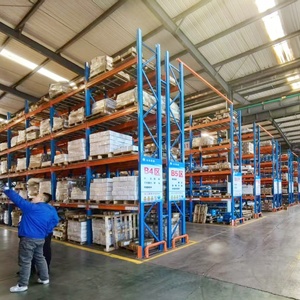
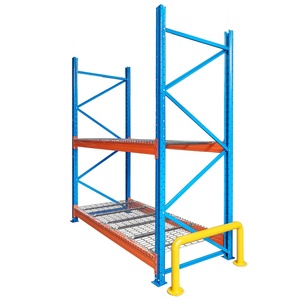
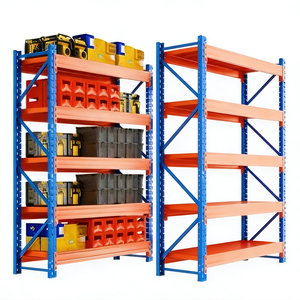
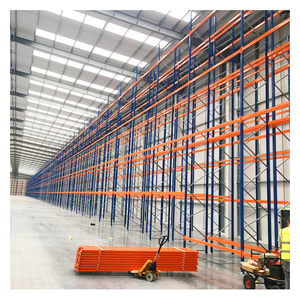
Why Top Global Brands Partner with Us for OEM & ODM Racking
We do not merely supply cold-formed steel; we engineer fully integrated structural logistics ecosystems optimized for safety, floor dynamic loads, and operational efficiency.
Custom OEM/ODM Engineering
Full architectural layout development via advanced 3D CAD and BIM modeling. Tailor-made beam profile thickness (1.5mm to 2.5mm), teardrop or box beam geometries, and bespoke upright frame punching patterns tailored to your warehouse specifications.
Seismic Analysis & Safety Compliance
Engineered in strict alignment with RMI (Rack Manufacturers Institute), ANSI MH16.1, EN 15512, and international seismic dynamic standards (such as Norma Técnica E.030). Verified under Finite Element Analysis (FEA) to withstand high-magnitude seismic forces.
ISO 9001 High-Grade Steel Raw Materials
Exclusively using structural certified steel coils (Q235B, Q355B, SS400 grade steel). Every batch undergoes rigorous yield strength, ultimate tensile stress testing, and chemical composition validation before automated roll-forming.
Automated Robotic Manufacturing
Equipped with 20+ continuous cold-roll forming production lines, automated OTC welding robots, and fully automated laser cutting stations ensuring micrometer precision, seamless seam integrity, and consistent load-bearing capability.
7-Stage Epoxy Powder Surface Coating
Advanced electrostatic powder coating line with a 7-stage pre-treatment degreasing, phosphating, and pure water rinsing process. Provides anti-corrosion protection exceeding 500 hours of salt spray testing for harsh coastal humidity or cold storage environments.
Turnkey Supply Chain & Documentation
Comprehensive support extending from custom OEM branding, certified load signage, structural load calculations, third-party inspection reports (SGS, TUV), to specialized export packing ensuring zero freight damage.
Pallet Storage Racking System Structural Specification Matrix
A comparative technical analysis of heavy-duty storage racking configurations designed for global enterprise procurement managers, structural engineers, and logistics directors.
| Racking System Type | Load Capacity (per Level) | Material Specification | Storage Density Ratio | Pallet Access Selectivity | Ideal Logistics Application |
|---|---|---|---|---|---|
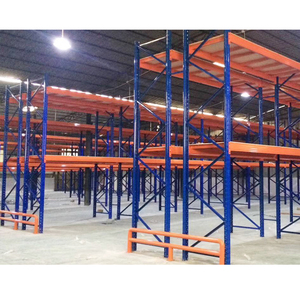
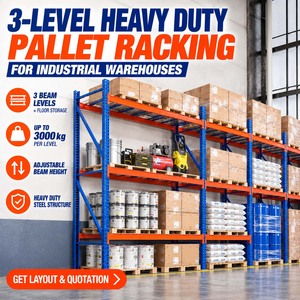
| Heavy Duty Selective Rack | 800 kg – 3,500 kg | Cold-Rolled Steel Q235B / Q355B | Baseline (60%) | 100% Direct Access | High-SKU Distribution Centers, 3PL Warehouses |
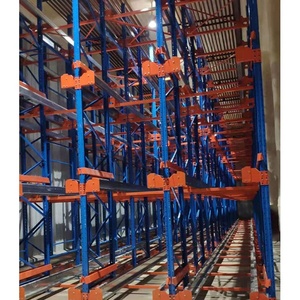
| Automated Radio Shuttle Rack | 1,000 kg – 2,000 kg | High-Tensile Cold-Formed Steel | Ultra-High (85-90%) | LIFO / FIFO Automated | Cold Storage (-25°C), Food & Beverage, Mass Lots |
| Drive-In / Drive-Through Rack | 1,000 kg – 1,800 kg | Structural Steel / Heavy Cold Formed | High (75-80%) | LIFO (Drive-In) / FIFO | Raw Material Warehouses, Seasonal Goods Storage |
| Push-Back Cart System | 1,000 kg – 2,500 kg | Heavy Duty Nested Steel Carts | High (70-75%) | LIFO (2–6 Pallets Deep) | Medium SKU Diversity, Fast-Moving Consumer Goods |
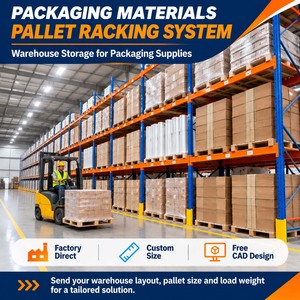
| Wire Mesh Decking Pallet Rack | 1,000 kg – 3,000 kg | Q235 Structural Steel + Galvanized Deck | Medium-High (65%) | 100% Direct Access | Packaging Storage, Mixed Non-Standard Pallets, Retail |
| Heavy-Duty Cantilever Rack | 500 kg – 4,000 kg / Arm | Hot-Rolled H-Beam Structural Steel | Specialized | 100% Direct Front Access | Pipes, Steel Tubing, Lumber, Rebar, Long Loads |
Future Procurement Trends in Industrial Pallet Storage Systems
As global supply chains navigate labor scarcity, inflation, and land cost appreciation, warehouse storage procurement is undergoing fundamental shifts towards automation, structural optimization, and ESG compliance.
Shift to Automation-Ready Racking Structures
Static racks are increasingly giving way to racking engineered specifically for integration with Automated Guided Vehicles (AGVs), Autonomous Mobile Robots (AMRs), and Automated Storage and Retrieval Systems (ASRS). Modern procurement mandates tighter structural deflection tolerances (up to 1/200th of beam clear span) to accommodate laser sensor positioning on automated shuttle carts.
Lifecycle Carbon Tracking & Green Steel (ESG)
Global enterprise buyers are establishing strict carbon intensity thresholds for steel products. OEM suppliers are expected to provide Environmental Product Declarations (EPDs), use recycled scrap steel, and implement energy-efficient powder coating lines. Sourcing high-strength Q355B steel reduces material weight by up to 15% while preserving load capacity, directly lowering transport carbon footprints.
Digital Twin Integration & BIM Procurement
B2B procurement has moved past 2D paper drawings. Tier-1 buyers require Building Information Modeling (BIM) files (Revit, Industry Foundation Classes .IFC) to seamlessly simulate racking loads, sprinkler drop heights, dynamic forklift aisle turning radii, and HVAC airflow in a virtual 3D environment before placing mill steel orders.
Advancements in Racking Metallurgy and Smart Storage Systems
From self-healing anti-corrosion galvanizing alloys to real-time stress monitoring sensors, smart material science is redefining pallet rack longevity and workplace safety.
Zinc-Aluminum-Magnesium (ZAM) Coatings
Traditional hot-dip galvanizing is being upgraded to next-generation ZAM alloy coatings. ZAM coatings provide up to 3x higher corrosion resistance compared to standard galvanized steel, featuring a self-healing cut-edge effect where the zinc-magnesium layer migrates over exposed cut edges to prevent rust creep—crucial for agricultural cold storage and high-salinity coastal logistics hubs.
IoT Strain Gauge & Impact Sensor Monitoring
Smart racking infrastructure now incorporates Wireless Structural Health Monitoring (SHM). Micro-strain gauges and Bluetooth accelerometer sensors embedded in critical upright columns log forklift impacts in real time. If a severe impact threatens frame integrity, warehouse management systems receive immediate push alerts to isolate damaged bays before catastrophic collapse occurs.
High-Strength Micro-Alloy Steel (Q355B & Higher)
Advanced cold-roll forming mills enable the processing of ultra-high yield strength micro-alloy steels. By transitioning from basic mild steel (Q235B) to micro-alloyed Q355B structural steel, engineers achieve equivalent beam and frame strength with thinner gauge profiles, optimizing material cost without compromising rated layer capacity (800kg to 3500kg/level).
Cold-Chain Optimized Metallurgy
Standard carbon steels suffer embrittlement at sub-zero temperatures (-25°C to -40°C). Specialized low-temperature tough steel alloys with controlled Charpy V-notch impact toughness guarantee structural ductness in deep-freeze food logistics centers, eliminating hydrogen cracking risks under heavy pallet stress.
5-Step OEM/ODM Racking Customization Workflow
Our engineering design to factory delivery methodology ensures every system matches site loading conditions, forklift specs, and regulatory safety requirements.
Site Survey & Load Analysis
Verification of slab thickness, concrete compressive strength (f'c), seismic zone data, pallet weights, forklift reach limits, and clear overhead height.
3D CAD & FEA Design
Detailed rack elevation planning, beam profile calculation, safety factor validation via Finite Element Analysis, and aisle layout optimization.
Precision Manufacturing
Continuous cold-roll forming, robotic laser cutting, automated welding, multi-stage chemical pretreatment, and electrostatic powder coating.
Strict QA & Load Testing
Destructive and non-destructive load testing, weld seam inspection (UT testing), coating thickness checks (80-120µm), and dimensional tolerance verification.
Export Logistics & Support
Custom steel band bundling, protective film wrapping, container loading plans, installation manuals, and third-party ITSE safety documentation.
Industrial Pallet Storage Racking Procurement FAQs
Clear, engineering-backed answers to essential questions regarding structural safety, seismic design, custom manufacturing, and global freight compliance.
What steel grades are used in your OEM/ODM pallet racking systems?
How do you calculate seismic resistance for earthquake-prone regions?
What is the difference between Tear-Drop racking and European Beam-to-Upright lock systems?
Can racking systems be customized for specific forklift models and pallet dimensions?
What quality certifications and surface protection standards do you offer?
What is the standard production lead time for enterprise OEM orders?
Do you provide Municipal Approval and ITSE Safety Documentation?
How are products packed to prevent shipping damage during ocean transit?
Request Your Free CAD Layout & Factory Engineering Quote
Share your warehouse dimensions, clear ceiling height, pallet specifications, and required load capacities. Our OEM/ODM structural engineering team will deliver a complete layout drawing and factory-direct price quotation within 24 hours.