Engineered Warehouse Pallet Storage Systems
Explore our high-density selective racking, gravity flow, cantilever, and automated stacking solutions manufactured to international ISO 9001 and FEM standards.
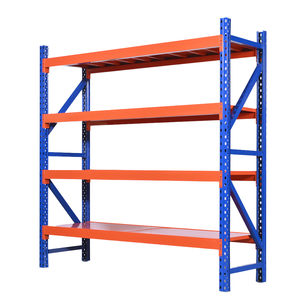
- Load Rating: 200kg - 500kg / Tier
- High-Grade Q235B Cold Rolled Steel
- Modular Modular Stacking Design
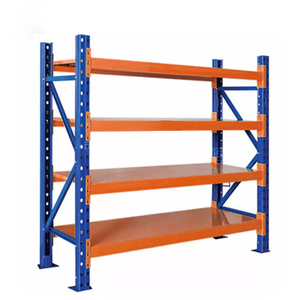
- True FIFO Inventory Management
- Integrated Speed Controller Rollers
- Adjustable Beam Step Pitch
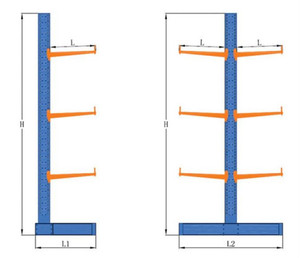
- Ideal for Pipes, Tubes & Timber
- Single & Double-Sided Arms
- Heavy Load Capacity up to 3000kg/arm
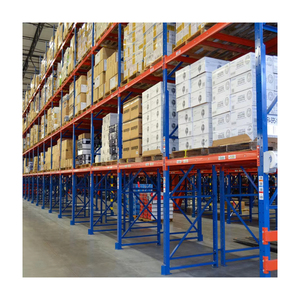
- 100% Direct Selective Pallet Access
- Powder Coated Epoxy Finish
- Custom Frame Heights & Depths
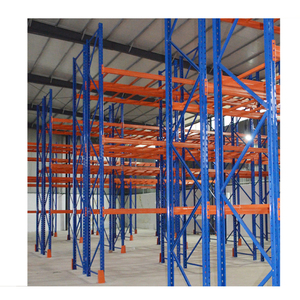
- Maximized Vertical Cubic Storage
- Compatible with VNA Turret Trucks
- Seismic Bracing Engineered
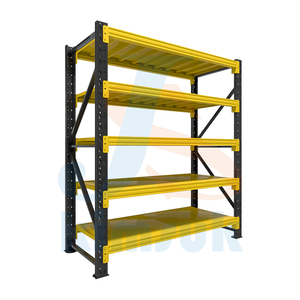
- Portable & Nestable Frame Structure
- Rapid Assembly without Tools
- Optimal for Seasonal Inventory
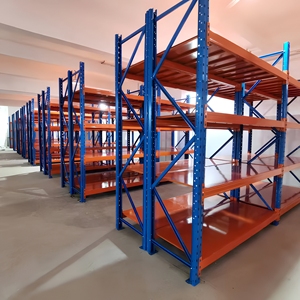
- Galvanized Anti-Corrosion Finish
- Integrated Catwalk Decking
- Multi-Level Manual Picking
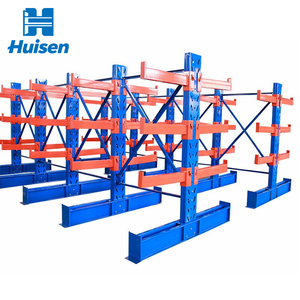
- Heavy Duty Structural Steel Columns
- Infinite Horizontal Storage Run
- Custom Column & Arm Spacing
Strategic Technical Procurement of Industrial Pallet Racking from Chinese Manufacturers
Modern global logistics networks demand unprecedented warehouse efficiency, density, and safety compliance. As third-party logistics (3PL) providers, e-commerce giants, cold-chain operators, and industrial distributors scale operations, selecting the ideal China warehouse pallet storage factory has evolved from a pure cost-per-pallet decision into a strategic structural engineering procurement exercise. This technical whitepaper analyzes structural engineering principles, material selection economics, quality control verification, global seismic standards (such as RMI, ANSI MH16.1, FEM 10.2.02, and EN 15512), and long-term procurement trajectories for high-density warehouse storage systems exported from China.
1. Technical Engineering Advantages & Manufacturing Standards
Leading Chinese racking exporters have transformed manufacturing processes through robotic welding automation, cold-roll forming precision lines, and continuous electrostatic powder coating technologies. Engineering a structurally resilient pallet storage matrix requires rigorous stress modeling under both static loads and dynamic operational forces.
Structural Steel Selection
Utilization of high-tensile cold-rolled steel (Q235B and Q355B grades) yielding superior flexural strength, optimal yield points (up to 355 MPa), and fatigue resistance under cyclic forklift loading.
Seismic Engineering
Finite Element Analysis (FEA) computational modeling for ground acceleration forces, customized base plate thickness, heavy-duty floor anchors, and cross-aisle bracing systems built to local building codes (e.g., US IBC, Peru Norma E.030, AS4084).
Advanced Surface Treatment
Multi-stage chemical pre-treatment cleaning followed by thermo-setting epoxy-polyester powder coating (60–80 microns) or hot-dip galvanizing (ISO 1461 compliant) for harsh coastal Garúa fog or sub-zero cold room applications.
Technical Comparison: Selective vs. High-Density Racking Architectures
Choosing the correct structural configuration impacts warehouse throughput, pallet storage ratio per square meter, and capital expenditure payback periods. Below is an engineering overview of standard options provided by Tier-1 Chinese exporters:
| Racking Architecture | Storage Density | Pallet Selectivity | Stock Rotation | Ideal Industry Applications |
|---|---|---|---|---|
| Selective Pallet Rack | Medium (40-50% Floor Util.) | 100% Direct Access | FIFO / LIFO | FMCG, 3PL Fulfillment, Multi-SKU Distribution |
| Very Narrow Aisle (VNA) | High (65-75% Floor Util.) | 100% Direct Access | FIFO / LIFO | High-Bay E-Commerce, Restricted Floor Area |
| Drive-In / Drive-Through | Very High (75-85%) | Low (Block Access) | LIFO (Drive-In) / FIFO | Cold Storage, Agro-Export, Bulk Batch Storage |
| Gravity Pallet Flow | Very High (80-90%) | Medium per Lane | Strict FIFO | Perishables, Pharmaceuticals, Food & Beverage |
| Cantilever Racking | Custom / Open-Run | 100% Side Access | Flexible | Steel Pipes, Lumber, Extrusions, Rebar Yards |
2. Enterprise Sourcing Strengths & Manufacturing Quality Assurance
Partnering with an established Chinese pallet rack exporter delivers substantial structural and financial benefits when managed through robust technical specifications. Premium factories operate under comprehensive quality management frameworks:
- Automated Cold-Roll Forming: Precision continuous roll-forming machinery ensures micro-tolerances along upright column profiles (e.g., 80*60, 90*70, 100*70, 120*95 profiles) preventing residual structural stress points.
- Robotic Welding Cell Consistency: Automated robotic arms execute beam connector connector welds, guaranteeing uniform weld penetration and eliminating human error in structural load points.
- Full CAD Layout & Engineering Support: Direct factory engineering support provides preliminary 2D CAD floor plans, 3D spatial renderings, vertical aisle clearance calculations, and sprinkler drop clearances prior to production.
- Third-Party Certification: Complete material mill certificates (SGS, TUV, Bureau Veritas verification) certifying chemical composition and tensile strength compliance.
Engineering Information Gain: Concrete & Baseplate Physics
A common point of structural failure in imported racking arises from improper load distribution to the floor slab. Premium Chinese exporters calculate exact dynamic anchor bolt shear and tension values based on concrete slab specs (minimum C25/30 strength). In high-seismic zones, custom heavy-duty baseplates (minimum 10mm to 16mm structural steel) with expanded anchor bolt footprints are deployed to prevent concrete cone failure during seismic sway.
3. Future Procurement Trends in Industrial Pallet Storage (2025–2030)
The global warehousing landscape is undergoing rapid technological transformation. Strategic procurement teams must account for several emerging trends when sourcing storage systems from China:
A. Integration with Automated Storage & Retrieval Systems (ASRS)
Traditional manual forklift pallet racking is increasingly yielding to hybrid automated storage solutions. Future-proof Chinese rack designs incorporate tight fabrication tolerances (+/- 1.5mm) required for stacker cranes, shuttle platforms, and Autonomous Mobile Robots (AMRs). Rack structures are engineered as structural guides for high-speed automated retrieval.
B. Green Steel & Sustainable Powder Coatings
Driven by global ESG imperatives, top Chinese steel mills and fabricators are shifting toward recycled scrap steel EAF (Electric Arc Furnace) production, reducing carbon intensity per ton. Furthermore, low-VOC, heavy-metal-free thermosetting powder coatings ensure compliance with international environmental directives.
C. Modular & Reconfigurable Spatial Architecture
Modern supply chains require agility. Modern teardrop, hook-in beam connector designs allow rapid beam height adjustment in 50mm to 75mm increments without specialized tooling, enabling operations to adapt instantly to fluctuating SKU dimensions.
4. Technological & Material Development Trends
Material science advancements in Chinese steel metallurgy are driving thinner profile wall thicknesses without sacrificing load carrying capacity. Through high-yield cold-formed alloy formulations, structural weight is reduced—lowering international sea freight costs per cubic meter while maintaining compliance with rigorous FEM load deflection criteria (e.g., maximum beam deflection under full load capped at L/200).
Additionally, real-time IoT rack monitoring sensors are being embedded into upright protectors to measure impact force from material handling equipment, alerting safety managers to structural deformation before catastrophic collapse occurs.
Frequently Asked Sourcing & Technical Questions
Request a Custom Engineering Design & Factory Direct Quote
Send us your warehouse floor plan layout, ceiling clear heights, forklift specs, and pallet load requirements. Our structural engineering team will deliver a comprehensive 3D CAD proposal within 24 hours.
Send an Inquiry