Certified Industrial Racking Systems Showcase
Engineered structural pallet racking, cantilever systems, medium-duty metal shelving, and custom high-density VNA configurations engineered for international logistics and seismic safety compliance.
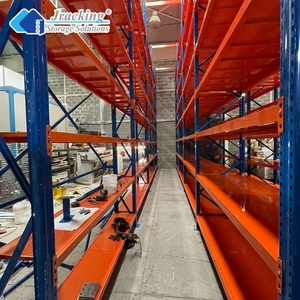
Jracking EURO Standard Warehouse Storage Racks Heavy Duty Steel Pallet Racking System for Distribution
Precision-engineered selective pallet rack conforming to FEM 10.2.02 and EN 15512 specifications. Optimized for heavy distribution centers.
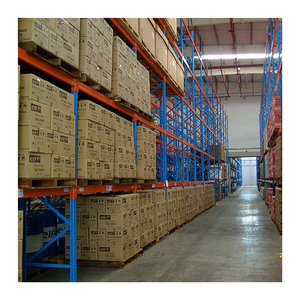
Customized Heavy Duty Steel Warehouse Storage Shelf Rack Pallet Racking System
Tailor-made industrial framing with adjustable beam levels, high static yield points (Q355B steel), and multi-tier expansion options.
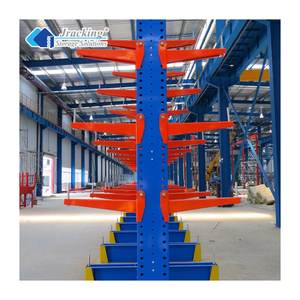
Jracking Structural Heavy Duty Portable Powder Coated Cantilever Rack for Long Materials
Designed for continuous horizontal storage of steel pipes, timber, extruded aluminum profiles, and heavy industrial raw stock.
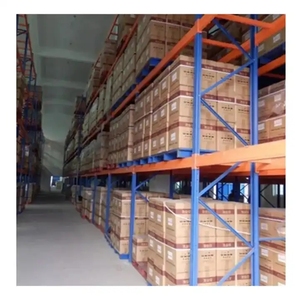
Industrial Shelving Medium Shelf Duty Steel Rack Storage Equipment Certificated Warehouse Metal Racks
Boltless, modular medium-duty shelving units engineered for quick manual pick operations, e-commerce fulfillment, and auto parts handling.
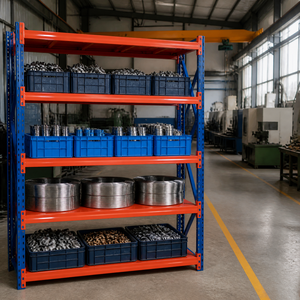
Custom Adjustable Anti-Rust Storage Metal Stacking Racks Pallet Racking System Steel Shelving VNA Racking Narrow Aisle Rack
High-density Very Narrow Aisle (VNA) racking maximizes vertical warehouse cube space while maintaining 100% individual pallet selectivity.
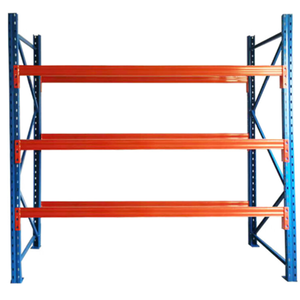
Mracking Industrial Warehouse Pallet Racking Shelving System
Heavy-duty structural storage rack solution configured with safety accessories, drop-in wire decks, and corner column impact protection.
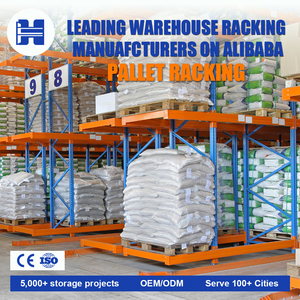
Best Selling Heavy Duty Warehouse Rack Professional Metal Storage Rack for Large Scale Industrial Materials Handling
Industrial-grade storage frame systems built for heavy pallet loads up to 4,000 kg per beam level under rigorous continuous warehouse operations.
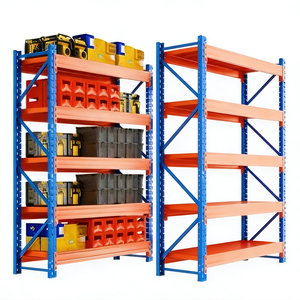
Warehouse Racking System for Heavy Duty Pallet Storage Industrial Metal Shelf Rack
Turnkey high-density pallet storage solution integrated with custom row spacers, footplates, and seismic anchoring systems for high-bay facilities.
Executive Summary: Global Industrial Shelf Racking Procurement Architecture
Modern logistics infrastructure demands far more than basic structural steel fabrication. As global supply chains centralize and warehouse land prices escalate, selecting a high-performing industrial shelf rack exporter has evolved into a strategic financial decision. Today’s industrial storage systems must deliver rigorous structural safety, dynamic seismic elasticity, optimal volumetric efficiency, and rapid adaptability for automated materials handling equipment (MHE).
This technical whitepaper outlines the structural standards, metallurgy choices, anti-corrosion chemistry, and engineering methodologies required when procuring heavy-duty storage racks. By leveraging continuous cold-roll steel profiles, finite element analysis (FEA), and standardized engineering specifications (such as FEM 10.2.02, RMI, EN 15512, and ANSI MH16.1), tier-one exporters provide scalable storage environments that protect both capital investments and workforce safety.
Information Gain Metric: High-grade cold-rolled Q355B steel structural uprights yield a 28% higher tensile strength compared to standard Q235 steel profiles, enabling higher vertical bay configurations without expanding the footplate slab footprint.
Structural Integrity & Engineering Standards for Global Export Racking
Evaluating an international industrial racking exporter requires reviewing compliance with cross-border engineering codes. High-density storage structures carry tens of thousands of kilograms of static and dynamic dead loads. A failure in upright bracing or beam connectors can lead to catastrophic system collapses.
1. Steel Metallurgy & Cold-Roll Profiling
Top-tier industrial racking systems utilize high-tensile structural steel profiles. Upright frames are roll-formed into multi-faceted geometric shapes (featuring 9 to 13 bend planes) to increase the moment of inertia and resistance against torsional bucking. Exporters specializing in heavy-duty distribution systems strictly audit raw coil stock for yield strength, tensile resilience, and chemical purity.
2. Beam Connector Hydraulics & Locking Pins
Beam-to-column connections form the horizontal moment-resisting frame. Advanced export racking utilizes multi-claw connector brackets welded via robotic MIG processes. Automatic safety lock pins prevent accidental dislodgement caused by upward forklift driver impacts during fast-paced pallet retrieval.
3. Seismic Engineering (Norma E.030, AS4084 & RMI Compliance)
Exporters serving earthquake-prone regions (such as coastal South America, Japan, New Zealand, and the Western United States) must engineer rack frames according to local ground motion response spectra. This includes calculated baseplate dimensions, heavy-duty wedge anchor embedment depths, elevated bracing ratios, and structural top-tie grid assemblies.
Surface Finishing
Automated 6-stage pre-treatment, iron phosphating, and electrostatically deposited thermosetting epoxy powder coating (60-80 microns thickness) resistant to chipping and impact.
Coastal Anti-Corrosion
Hot-dip galvanized (HDG) steel options complying with ISO 1461 for high-humidity coastal port warehouses, cold storage rooms, and wash-down hygienic spaces.
CAD & Finite Element Analysis
Custom 3D CAD modeling and stress simulation (FEA) verifying deflection limits (maximum L/200 deflection ratio) under full structural capacity load limits.
Comprehensive Technical Comparison Matrix of Industrial Rack Systems
Selecting the optimal racking system requires balancing pallet density, SKU access speed, picking labor overhead, and total facility capital expenditure.
| Storage Racking System | Pallet Selectivity | Volumetric Density | Stock Rotation Method | Primary Application & Industry |
|---|---|---|---|---|
| Selective Pallet Racking | 100% Direct | Standard (60-65%) | FIFO / LIFO Flexible | General Distribution, FMCG, Multi-SKU Hubs |
| Very Narrow Aisle (VNA) | 100% Direct | High (80-85%) | FIFO / LIFO Flexible | High-Bay Logistics, Pharmaceutical & E-Commerce |
| Drive-In / Drive-Thru Rack | Low (Last SKU Only) | Very High (85-90%) | Strict LIFO (Drive-In) | Cold Storage, Agro-Export, Beverage Bulk Batches |
| Push-Back Cart Racking | Medium (Per Lane) | High (75-80%) | LIFO (2 to 6 deep) | Staging Areas, Food Distribution, Fast-Moving FMCG |
| Heavy Duty Cantilever Rack | 100% Long Loads | Variable | Open Access | Steel Tubing, Timber Yards, Extrusions, Rebar |
Future Procurement Trends in the Global Industrial Racking Market
The industrial storage industry is undergoing rapid technological transformation. Supply chain leaders must evaluate procurement options with an eye toward future warehouse operations:
- Automated Storage and Retrieval System (AS/RS) Integration: Modern pallet racking frames are designed with tight fabrication tolerances (±0.5mm structural variance) to accommodate high-speed automated cranes, shuttle bots, and AGVs.
- IoT Rack Health Monitoring & Telemetry: Wireless strain-gauge sensors embedded directly into upright footplates detect accidental forklift impacts in real time, alerting safety managers to hidden structural deformities before catastrophic failures occur.
- Eco-Conscious Zero-VOC Powder Finishing: Global exporters are transitioning to green, VOC-free electrostatic powder coatings and heat-recovery curing ovens to help multinational clients meet Scope 3 carbon reduction goals.
- Modular Multi-Tier Mezzanine Expansions: Structural rack-supported mezzanines and catwalk solutions allow logistics operators to expand vertical picking surfaces without undergoing costly civil construction or moving facilities.
Enterprise Engineering Advantages: Why Partner with Specialized Racking Exporters
Our engineering export management framework bridges the gap between raw manufacturing excellence and complex local site execution. By maintaining end-to-end control over structural design, steel sourcing, precision roll-forming, and international container packaging, we deliver reliable, compliant, and cost-effective industrial storage installations worldwide.
Mill-Certified Raw Materials
We source prime structural steel coils exclusively from premier global mills, providing complete material test certificates (MTC) verifying yield strength, chemistry, and impact resistance for every production heat.
Turnkey Permit & ITSE Support
Our engineering division prepares comprehensive structural calculations, stamped CAD floor plans, anchor shear-force charts, and load capacity signage required for municipal ITSE inspections and structural safety sign-offs.
Seaworthy Export Knock-Down Packaging
Uprights, beams, and wire decks are bundled using protective corner angles, steel banding, high-density polyethylene wrapping, and custom wooden cradles to ensure zero transit damage inside sea containers.
Industrial Racking & Warehouse Storage FAQ
How do international structural standards (FEM, RMI, EN 15512) affect racking safety?
+
What steel grade is recommended for heavy-duty warehouse pallet racking?
+
How are racking systems engineered for high seismic activity zones?
+
What surface protection is required for coastal or cold-storage environments?
+
What is the rule of thumb for pallet rack beam length and frame depth sizing?
+
How often should industrial pallet racking undergo safety inspections?
+
Request a Customized CAD Layout & Engineering Proposal
Send your warehouse architectural drawings, floor slab specs, and pallet load dimensions. Our engineering team will deliver a comprehensive 3D layout design and factory-direct export quote within 24 hours.