Certified Industrial Racking & Heavy-Duty Storage Systems
Designed for heavy load capacity, structural stability, and maximum cubic meter space utilization in modern distribution centers.
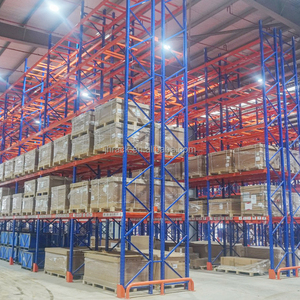
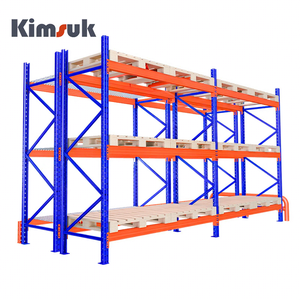
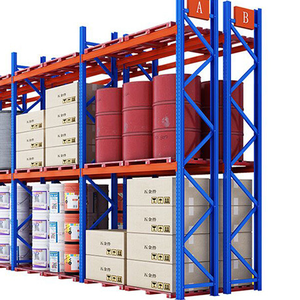
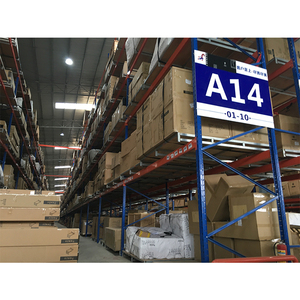
1. Executive Industry Overview & Engineering Supremacy
Modern material handling and supply chain ecosystems demand structural reliability, extreme weight capabilities, and precise spatial efficiency. As a top trusted industrial shelving and storage factory & supplier, our manufacturing matrix provides scalable infrastructure engineered around structural cold-rolled steel technologies, Finite Element Method (FEM) analysis, and strict compliance with global safety codes.
Industrial warehousing is no longer merely about holding stock; it is an integrated architectural component of high-velocity logistics. Facilities across manufacturing hubs, port logistics zones, cold storage facilities, and mining supply centers require racking hardware engineered for dynamic loading forces, seismic resilience (such as South America's Norma Técnica E.030 Diseño Sismorresistente standards), and aggressive coastal ambient conditions.
Industrial storage performance is governed by beam deflection ratios (standardized at L/200), upright column profile geometry, and baseplate anchor shear tension tolerances. Selecting the correct yield-strength steel (Q235B vs. Q355B high-tensile structural steel) directly impacts vertical bay heights, seismic resistance, and total operational risk management.
2. Core Competencies & Enterprise Manufacturing Infrastructure
Our manufacturing capabilities integrate advanced CNC roll-forming lines, automated robotic welding cells, and eco-friendly electro-static powder coating systems. Unlike standard commercial fabricators, our engineering department provides complete structural lifecycle management—from customized CAD spatial rendering to structural calculations and municipal compliance documentation support (such as ITSE certification support).
Advanced Seismic Design
Engineered upright frames with calculated row spacers, heavy-duty baseplates, and chemical anchors verified for high seismic movement zones.
Corrosion-Resistant Finishes
Industrial electrostatic epoxy powder coating (60-80μm) and Hot-Dip Galvanizing (HDG) per ISO 1461 for humid, coastal, and cold-room environments.
Third-Party Certified
CE-certified structural components with load rating capacities up to 5000KG per level, fully compliant with ANSI MH16.1 and FEM 10.2.02 standards.
3. Comprehensive Industrial Racking & Shelving System Matrix
Selecting the optimal racking system requires evaluating SKU density, inventory turnover rate (FIFO vs. LIFO), floor slab load-bearing capacities, and material handling vehicle dimensions (standard counterbalance forklifts, reach trucks, or VNA turret trucks).
| Storage System Type | Load Capacity (Per Level/Arm) | Selectivity Rate | Stock Rotation | Primary Industrial Use Case |
|---|---|---|---|---|
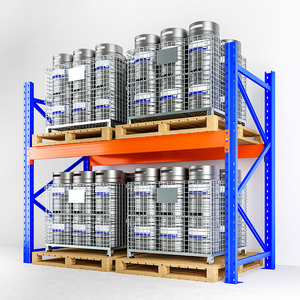
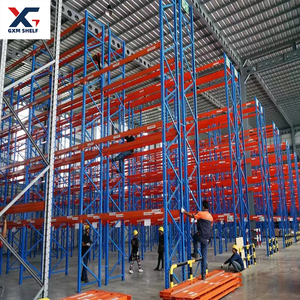
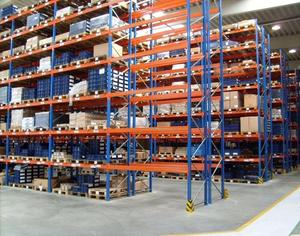
| Selective Pallet Racking | 1,000 kg – 4,500 kg | 100% Direct Access | FIFO / LIFO | General Distribution, FMCG, E-Commerce Hubs |
| Heavy-Duty Cantilever Racking | 500 kg – 3,000 kg / Arm | 100% Open Access | Variable | Steel Pipe, Rebar, Lumber, Aluminum Extrusions |
| Drive-In / Drive-Thru Racks | 1,000 kg – 1,500 kg / Pallet | Low (High Density) | LIFO (Drive-In) / FIFO | Cold Storage, Beverage Batching, Seasonal Fruit Packing |
| Push-Back Cart Systems | 1,000 kg – 1,800 kg / Pallet | Medium (2-6 Deep) | LIFO | High-Density Medium SKU Warehousing |
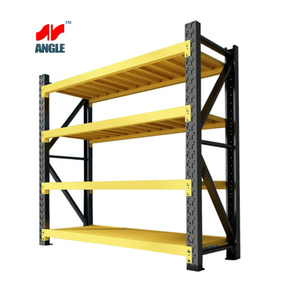
| Industrial Boltless Shelving | 300 kg – 1,000 kg / Shelf | 100% Hand Pick | Manual Picking | Automotive Spare Parts, Tooling Rooms, Hardware |
4. Structural Anatomy of Heavy-Duty Warehousing Infrastructure
To ensure maximum workplace safety and maintain structural integrity over decades of continuous operations, industrial racking relies on precise component interaction:
- Cold-Formed Upright Columns: Manufactured with continuous teardrop or omega slot profiles, engineered with stiffeners along the web to prevent local buckling under extreme compression.
- High-Strength Interlocking Beams: Utilizing box-beam or step-beam profiles welded to heavy-gauge multi-claw end connectors with safety drop pins to prevent accidental dislodgement during forklift maneuvering.
- Structural Bracing Systems: Diagonal and horizontal tubular steel bracing forming a rigid planar truss to resist horizontal forces, braking loads, and lateral seismic sway.
- Impact Guarding & Column Protectors: Heavy-duty steel wrap-around protectors, aisle end guards, and floor-anchored bollards that mitigate structural degradation from forklift collisions.
5. Global Industry Trends & Future Procurement Outlook
As supply chains modernize globally, industrial storage procurement is undergoing significant technological shifts:
A. Integration with Automated Guided Vehicles (AGVs) & ASRS Shuttles
Modern warehousing is shifting rapidly toward automated high-density shuttle storage and Automated Storage and Retrieval Systems (ASRS). Racking structural tolerances are now specified down to millimeter accuracy to support autonomous robotic shuttles operating within rack lanes.
B. Enhanced Anti-Corrosion Technologies for Harsh Environments
With coastal logistical corridors (such as maritime ports, fish meal processing zones, and coastal industrial parks) suffering high garúa fog and salinity, demand for hot-dip galvanized racking components (minimum 65–85μm zinc thickness) has surpassed standard painted systems for long-term ROI.
C. Environmental Sustainability & Carbon-Neutral Steel Manufacturing
Enterprise procurement teams increasingly mandate sustainable supply partners. Our manufacturing facilities incorporate recyclable cold-rolled steel, energy-efficient powder curing ovens, and zero-discharge pre-treatment washing systems, aligning with ESG corporate mandates.
6. Enterprise Procurement Blueprint & Cost Optimization
Procuring factory-direct industrial racking involves looking beyond initial purchase price. Structural longevity, safety compliance, installation velocity, and total cost of ownership (TCO) dictate project success:
- Floor Slab Verification: Ensure concrete slab thickness (typically 150mm–250mm minimum) and concrete compressive strength (C25/C30 grade) match maximum anchor uplift and compression point loads.
- Aisle Clearance Sizing: Coordinate rack layout design directly with material handling equipment specs (Standard Aisle: 3.5-4.0m, Narrow Aisle: 2.6-3.0m, Very Narrow Aisle/VNA: 1.6-1.8m).
- Safety Certification & Documentation: Mandate certified mill test reports (MTR), capacity load plates on all rack structures, and formal user maintenance checklists.