Precision-Engineered Industrial Racking Systems
Explore our factory-direct, certified steel shelving and pallet racking systems designed for structural integrity, extreme load capacity, and optimized storage efficiency.
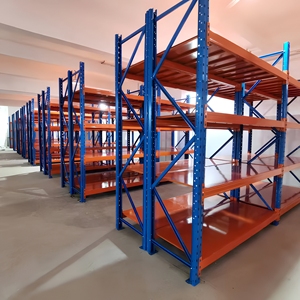
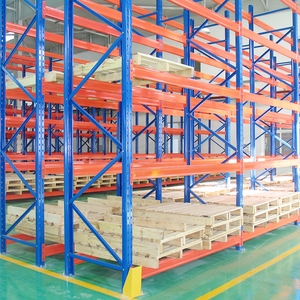
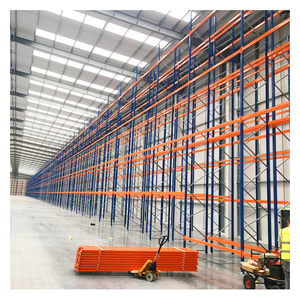
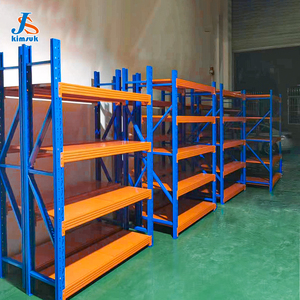
Why Tier-1 Logistics Operators Choose Our Manufacturing Solutions
From CAD layout optimization to seismic calculations under Norma Técnica E.030, our engineering safeguards structural integrity across complex regional operating conditions.
Seismic Design (Norma E.030)
Every frame configuration is engineered using finite element analysis (FEA) to withstand high peak ground acceleration in active seismic zones (including coastal Zone 4 environments), preventing catastrophic buckling under lateral seismic loading.
Corrosion Shield Technology
To combat marine humidity and coastal garúa fog (such as in Callao, Lurín, and coastal logistics hubs), our steel components undergo multi-stage alkaline washing, zinc phosphating, electrostatic powder coating, or hot-dip galvanizing (HDG).
Turnkey Municipal ITSE Approval
We supply complete engineering dossiers, structural sign-offs, rated load capacity plaques, and certified anchoring layouts required to pass municipal ITSE (Inspección Técnica de Seguridad en Edificaciones) and workplace safety (Ley 29783) audits.
Comparative Analysis of Industrial Warehouse Racking Systems
Selecting the optimal racking system requires balancing storage density, pallet selectivity, stock turnover velocity (FIFO vs. LIFO), and floor slab load capacities.
| Racking Architecture | Storage Density | Pallet Selectivity | Rotation Principle | Optimal Application & SKU Profile | Seismic Moment Rating |
|---|---|---|---|---|---|
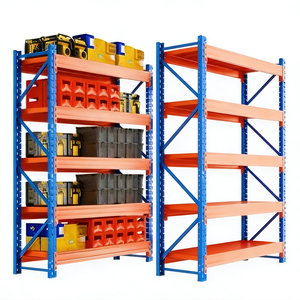
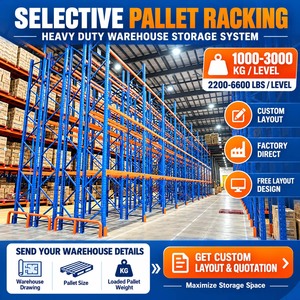
| Selective Pallet Racking | Standard | 100% Direct | FIFO / LIFO | High SKU diversity, fast picking, general 3PL distribution centers. | High Structural Resilience |
| Drive-In Racking | Ultra High | Low (20-30%) | LIFO | Agro-export cold rooms, frozen goods, uniform bulk manufacturing lots. | Engineered Cross-Bracing Required |
| Push-Back Cart Systems | High (2-6 Deep) | Medium (50%) | LIFO | Beverage staging, FMCG distribution, medium-velocity SKU storage. | Self-Centering Nested Carts |
| Pallet Flow (Gravity Roller) | Ultra High | Medium | Strict FIFO | Perishable food, pharmaceuticals, date-coded inventory management. | Speed Controllers & Safety Brakes |
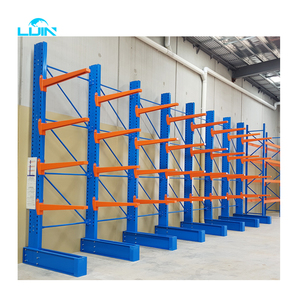
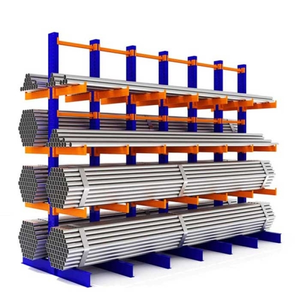
| Cantilever Racks | Specialized | 100% Open Access | Flexible | Steel pipes, timber, rebar, PVC extrusions, long industrial raw stock. | Heavy-Duty Column Footings |
Future Procurement Trends in Industrial Storage Architecture
The global industrial warehouse shelving and racking market is undergoing a structural transition. Logistics infrastructure is moving away from static steel frames toward intelligent, flexible, and environmentally verified storage ecosystems. Supply chain directors and procurement executives must align current racking investments with four major industry shifts unfolding over the next decade:
1. Automation-Ready Hybrid Racking Infrastructures
Traditional racking systems are increasingly integrated with Autonomous Mobile Robots (AMRs), Automated Guided Vehicles (AGVs), and Automated Storage and Retrieval Systems (AS/RS). Modern racking procurement contracts now demand ultra-precise dimensional tolerances (±1.5mm deflection allowances) and integrated sensor mounts to support robotic aisle navigation and automated crane picking.
2. Decarbonized Steel & Life-Cycle Sustainability Mandates
Global environmental compliance guidelines are pushing manufacturers toward low-carbon cold-rolled steel. Leading wholesale buyers evaluate manufacturers based on carbon footprint transparency, scrap steel recyclability, and eco-friendly powder-coating processes that eliminate volatile organic compounds (VOCs) and toxic heavy metals.
Key Procurement Insight: Investing in structural racking certified for both manual forklift operation and future AS/RS retrofitting reduces facility re-capitalization costs by up to 60% over a 10-year facility operational lifecycle.
3. Dynamic Load Telemetry & IoT Structural Health Monitoring
Next-generation warehouse racking incorporates embedded strain gauges and shock sensors at critical frame upright joints. These sensors relay real-time telemetry to Warehouse Management Systems (WMS), instantly alerting safety managers to forklift impact events, frame misalignments, or overload conditions before catastrophic failure occurs.
4. High-Density Urban Fulfillment & Multi-Tier Mezzanine Expansions
With industrial land costs rising rapidly in logistics hubs near major metropolitan areas, warehouse operators are capitalizing on vertical clear height. Multi-tier boltless shelving and rack-supported catwalk mezzanines are becoming the preferred architectural standard for e-commerce micro-fulfillment centers.
Technological Evolution & Material Science in Racking Manufacture
Structural safety in modern warehouse racking depends heavily on metallurgy and manufacturing engineering. As a leading racking manufacturer and global wholesaler, our production lines utilize advanced steel processing technologies:
Micro-Alloyed High-Yield Steels
We utilize cold-rolled structural steel grades Q235B, Q355B, and high-tensile steel coils. Cold-roll forming increases yield strength while optimizing beam profile thickness, maximizing carrying capacity without adding dead weight.
75mm / 50mm Pitch Precision Punching
Automated CNC punching equipment ensures uniform connector slot geometry along the entire length of upright profiles. This precise mechanical interlock prevents beam rotation and maintains rigidity under asymmetric loading.
Self-Locking Safety Connectors
Beam-to-column connections feature heavy-duty welded steel hooks with automatic spring safety locks (drop pins) that prevent dislodgement caused by forklift mast errors during pallet insertion and extraction.
Frequently Asked Questions (FAQ) for Warehouse Directors
Clear, engineering-backed answers to critical questions regarding storage design, compliance, and international procurement.
Are your racking systems custom-engineered for seismic conditions like Norma E.030? +
How do you protect pallet racking from corrosion in humid or coastal environments? +
What documentation do you provide for ITSE and municipal safety inspection permits? +
What pallet sizes and beam dimensions are supported by your standard systems? +
How long does a typical wholesale racking manufacturing and delivery project take? +
Do you offer OEM custom fabrication for non-standard loads or specialized inventory? +
What are the recommended safety inspection cycles for industrial rack frames? +
End-to-End Direct Manufacturer Competencies
Partnering directly with a certified racking manufacturer eliminates intermediate margins while ensuring full engineering accountability from initial site survey to final handover.
CAD Warehouse Layout First
We analyze your warehouse dimensions, column layouts, door swings, and forklift turning radiuses before issuing a quote, guaranteeing zero layout surprises during installation.
Certified Steel Traceability
All mill test certificates (MTC) for our structural steel coils are recorded and traceable, ensuring that material yield strengths and chemistry strictly match technical datasheets.
Full Installation & After-Sales Support
Our experienced installation engineers conduct plumb and level tolerance checks, anchor torque verification, and provide ongoing inspection and maintenance support worldwide.
Ready to Maximize Your Warehouse Storage Capacity?
Contact our senior structural engineers today for a complimentary CAD floor plan layout, seismic structural calculation, and wholesale manufacturing proposal.