









Norma E.030 · RMI ANSI MH16.1 · FEA Structural Analysis

Engineering Seismic Rack Calculations for Global Warehouses

A definitive structural engineering blueprint for procurement teams, project engineers, and logistics directors operating in active seismic zones.

High-density seismic racking engineered for earthquake zone compliance
Advanced Dynamic Load Analysis

Beyond Static Design: Dynamic Seismic Simulation

Protect personnel, inventory, and operations with full mathematical modeling of down-aisle and cross-aisle shear forces.

Engineered high-density push-back racking with seismic tie braces
Turnkey Structural Compliance

From Concrete Anchoring To ITSE Certification

Lima Storage & Shelving Systems S.A.C. delivers certified calculations, stamped layout drawings, and field inspection reports.

Norma E.030 VerificationDynamic seismic coefficient calculations (Zone 4)
FEA & P-Delta ModelingCold-formed steel structural stress analysis
Anchor & Slab ValidationConcrete shear force and uplift moment engineering
ITSE & Municipal ReadyComplete engineering dossiers for regulatory approval

Trusted by multinational supply chains, logistics operators, and manufacturing leaders

Industrial Enterprise Client 1 Industrial Enterprise Client 2 Industrial Enterprise Client 3 Industrial Enterprise Client 4 Industrial Enterprise Client 5 Industrial Enterprise Client 6 Industrial Enterprise Client 7 Industrial Enterprise Client 8 Industrial Enterprise Client 9
Structural Engineering & Information Gain

Why Standard Gravity Racking Fails in High Seismic Zones

When global procurement teams procure storage systems in active fault zones, standard static gravity equations are structurally insufficient. Racks are semi-rigid, cold-formed steel frames with non-linear beam-to-column semi-rigid joints. Under dynamic seismic motion, they exhibit complex harmonic sway, P-Delta lateral displacements, and uplift tension moments.

Engineer evaluating seismic rack calculation modeling software
Zone 4 Acceleration High ground accelerations ($Z = 0.45g$) require dynamic dynamic force verification.

Core Mathematics Behind Seismic Rack Calculations

Unlike rigid buildings, pallet racking systems possess high structural flexibility. The seismic response factor depends on structural interaction between the beam connector spring stiffness ($K_{\theta}$), upright frame flexural rigidity ($EI$), base plate rotational stiffness ($K_b$), and the concrete slab embedment capacity.

Under regional standards such as Norma Técnica E.030 (Diseño Sismorresistente) and RMI (Rack Manufacturers Institute) ANSI MH16.1, the total horizontal base shear dynamic force ($V$) is defined by the governing formula:

V = (Z · U · C · S / R) · W_effective

Where: Z represents the seismic zone factor (up to 0.45 for coastal Peru Zone 4), U is the building importance coefficient (1.5 for critical logistics infrastructure), C is the dynamic amplification factor derived from fundamental vibration period ($T$), S represents soil profile amplification, R is the structural response reduction factor for semi-rigid steel frames, and W_effective accounts for 100% dead load plus a calibrated fraction of product live load (typically 80% to 100% under seismic codes).

Engineered Storage Portfolio

Product Recommendations for Seismic Safety & Storage Efficiency

Lima Storage & Shelving Systems S.A.C. manufactures and configures fully calculated industrial rack configurations designed to withstand severe dynamic earthquake forces while maximizing cubic warehouse utilization.

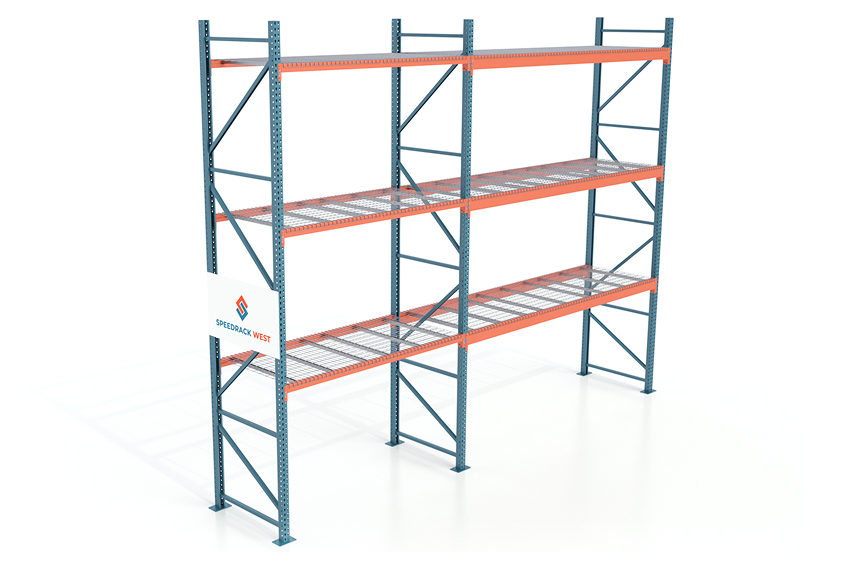
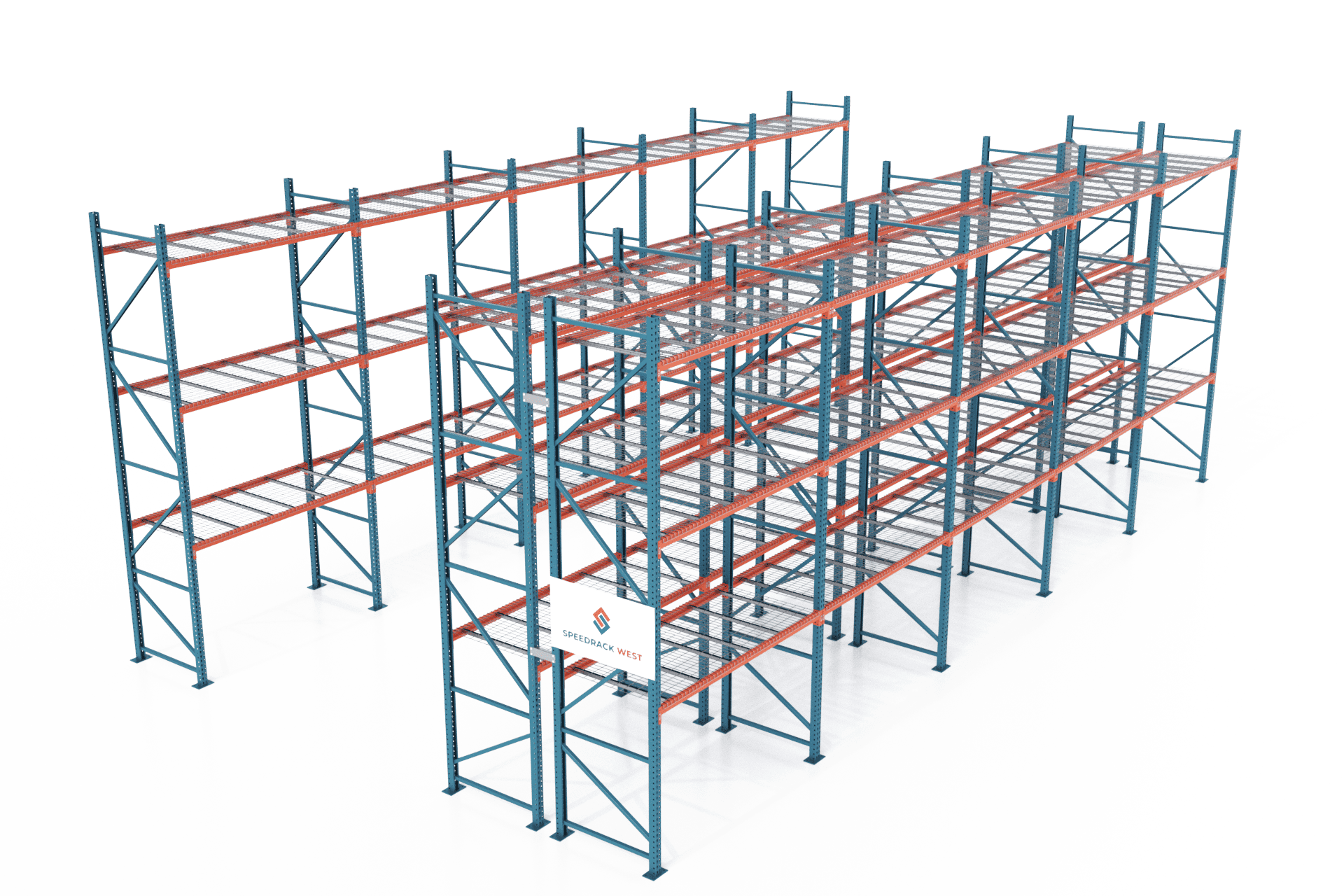
Seismic-rated heavy duty selective pallet racking

Seismic Selective Pallet Racking

Configured with heavy-gauge cold-formed upright profiles, heavy-duty floor plates, and dual-anchor base assemblies designed to mitigate down-aisle swaying forces.

  • 100% SKU Access
  • Heavy Column Profiles
  • Dual-Anchor Base Plates
Request Calculation
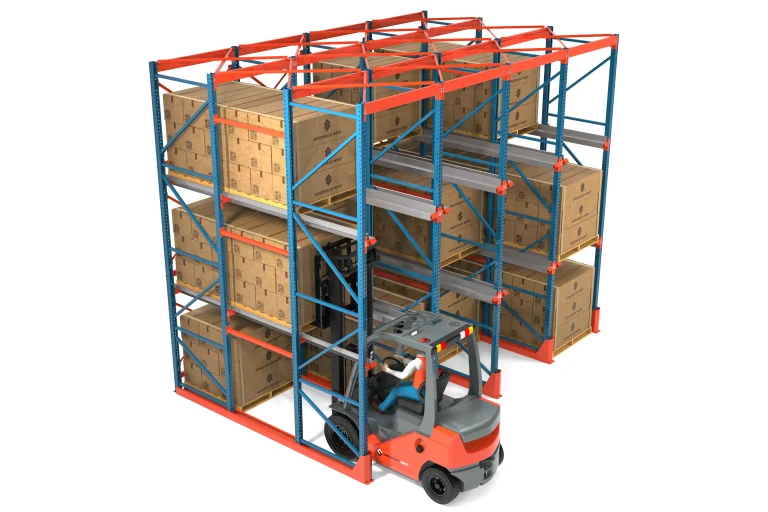
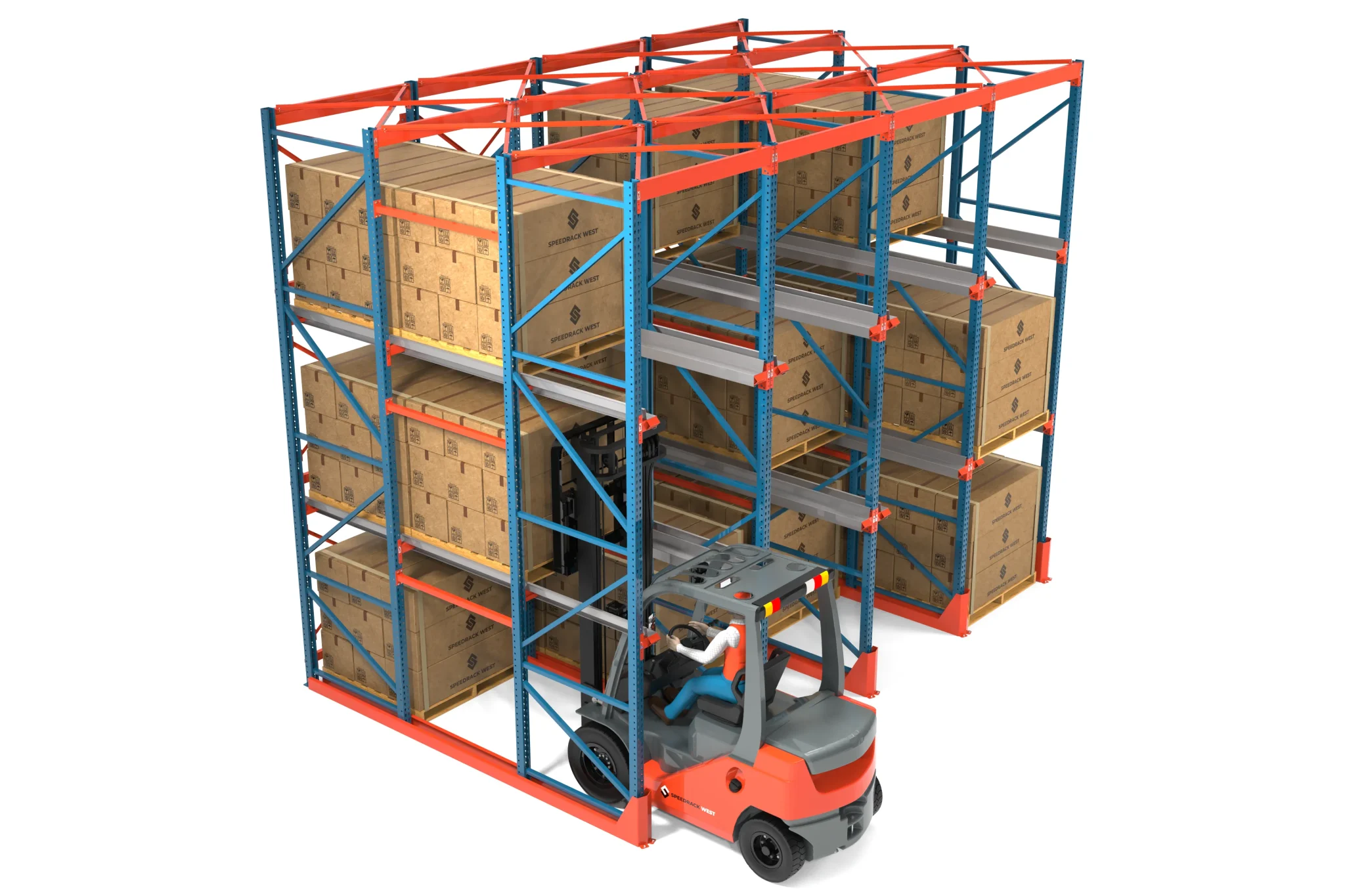
Seismic drive-in racking system with upper horizontal portal ties

Engineered Drive-In Racking

Features structural top-tie portal beams, rear spine bracing networks, and heavy-duty cantilever arm joints to prevent lane racking instability during seismic activity.

  • High Density LIFO
  • Top Tie Bracing
  • Rigid Frame Spine
Request Calculation
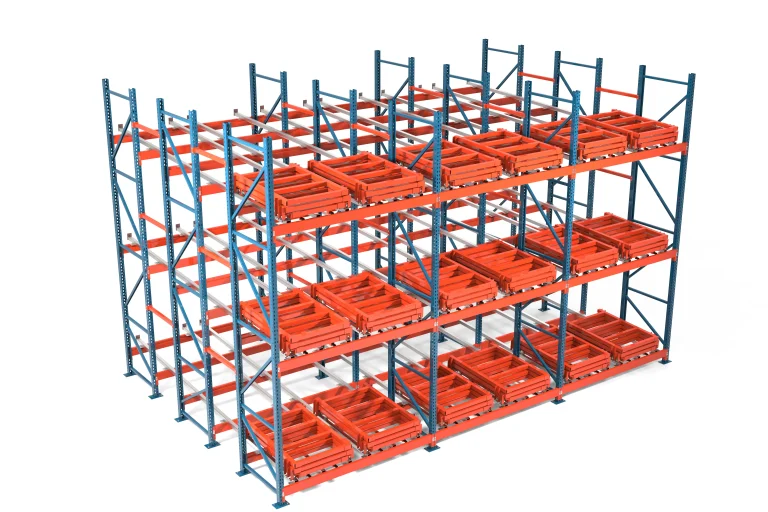
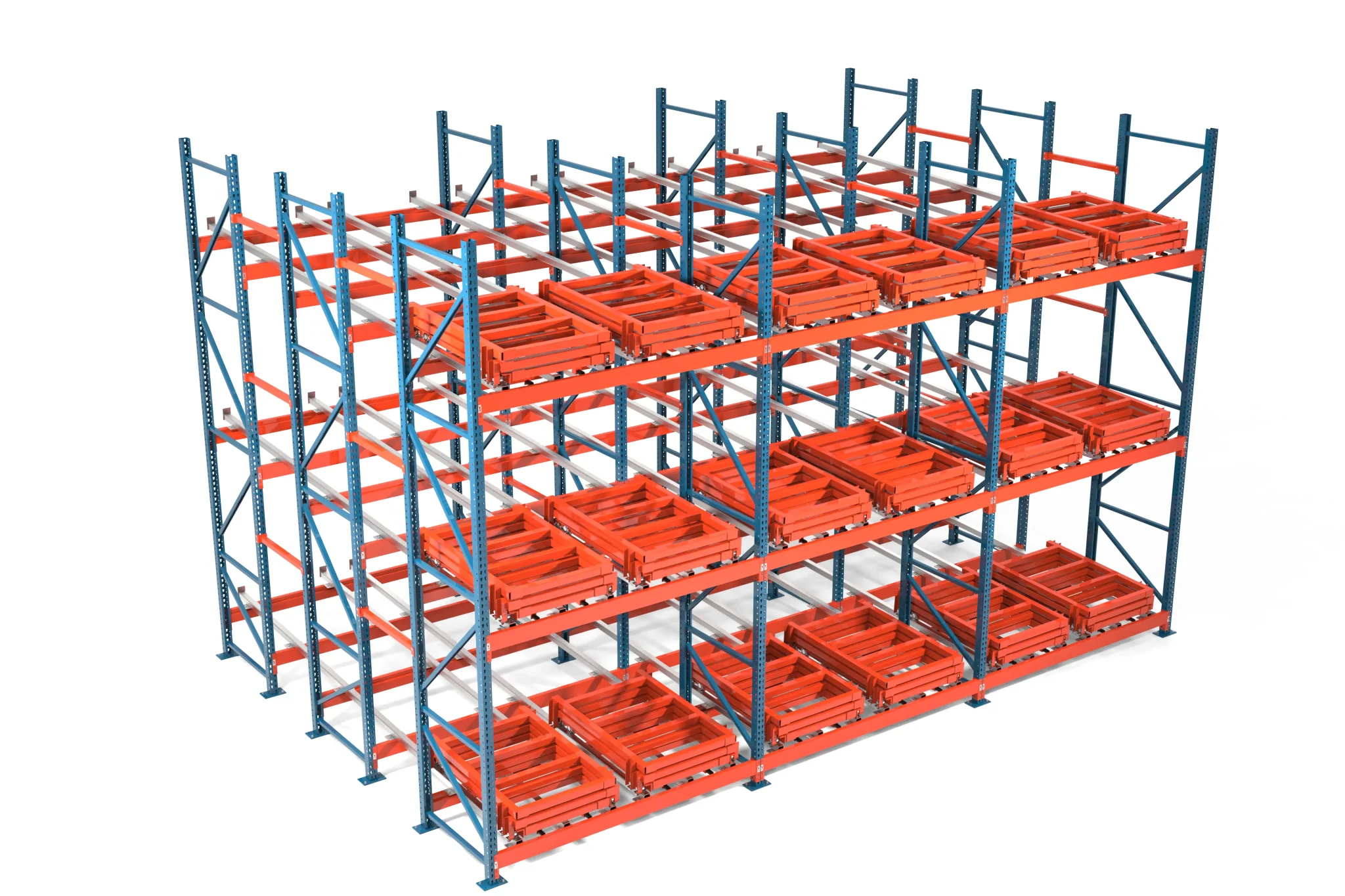
High density push-back rack with nested cart anti-derailment stops

Seismic Push-Back Racking

Includes dynamic cart locking mechanisms and custom structural beam moment connectors to keep multi-deep carts from derailing under horizontal ground acceleration.

  • 2 to 6 Pallets Deep
  • Anti-Derailment Carts
  • Dynamic Moment Beams
Request Calculation
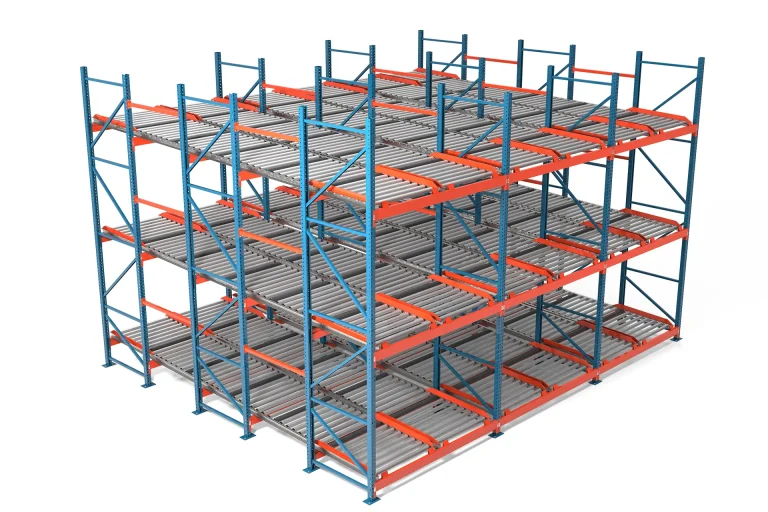
Pallet flow racking with speed controllers for seismic safety

Gravity Pallet Flow Racking

Integrated centrifugal brake rollers prevent unrestrained pallet acceleration during dynamic shaking, ensuring safe FIFO rotation in high-seismicity facilities.

  • True FIFO Control
  • Brake Roller Dampers
  • Dynamic Frame Ties
Request Calculation
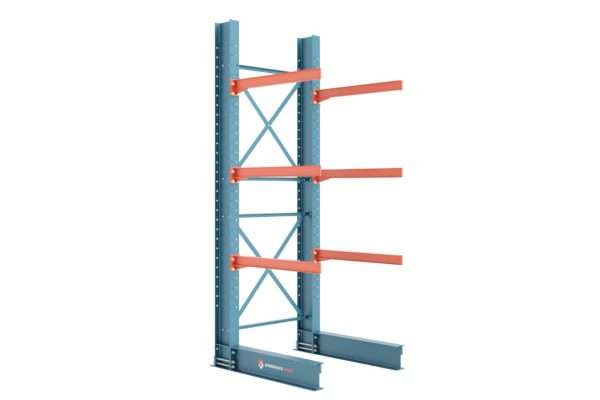
Structural cantilever racking for long metal pipes and timber

Structural Cantilever Racking

Engineered with hot-rolled structural steel columns and pinned arm connections designed to dissipate lateral dynamic energy for long-load raw materials.

  • Long Stock Storage
  • Structural H-Beams
  • Dynamic Energy Dissipation
Request Calculation
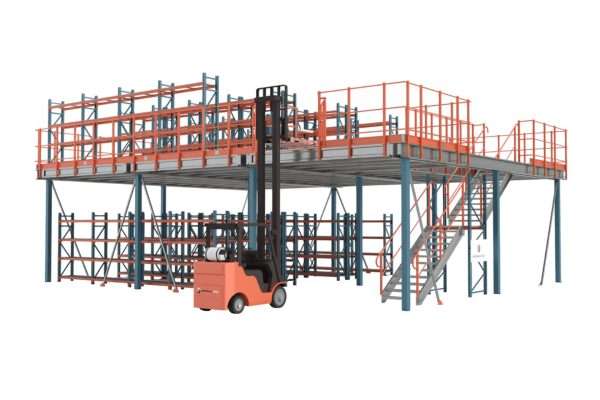
Structural steel mezzanine platform built with moment resisting frames

Seismic Structural Mezzanines

Heavy-duty elevated steel platforms with custom moment-resisting knee bracing and cross-braced stability towers calculated to support high mezzanine live loads.

  • Space Multiplication
  • Moment-Resisting Frames
  • Vibration Checked
Request Calculation
Detailed structural component diagram of a seismic pallet rack
Structural Verification Points

Anatomy of a Seismic-Rated Rack Calculation

Every seismic calculation performed by Lima Storage & Shelving Systems S.A.C. evaluates five critical structural zones to eliminate catastrophic collapse risks.

  • Column Buckling & Perforated Section Checks

    Cold-formed uprights feature punched slot patterns that reduce structural cross-section area ($A_{net}$). Calculations calculate effective section modulus ($S_e$) under combined axial compression and bending.

  • Beam-to-Column Rotational Stiffness ($K_{\theta}$)

    Beam end-connectors function as semi-rigid joints. Physical testing and mathematical modeling determine the rotational spring constant ($K_{\theta}$) governing overall down-aisle sway frame rigidity.

  • Concrete Base Plate & Uplift Anchor Engineering

    Seismic overturning moments force front column legs into extreme tension uplift. Calculations determine base plate thickness, washer plate sizing, and anchor bolt embedment depth into concrete slabs.

  • Cross-Aisle Diagonal Frame Bracing

    K-bracing, N-bracing, or X-bracing shear networks are designed to resist lateral horizontal shear forces, preventing diagonal frame buckling during seismic events.

Technical Sourcing Matrix

Comparative Seismic Engineering Parameters by System

Global procurement teams must evaluate key structural factors when selecting racking systems for high seismic risk regions.

Engineering Parameters & Seismic Design Criteria
Racking System Dominant Seismic Mode Critical Engineering Focus Base Plate Sizing Norma E.030 / RMI Compliance
Selective Pallet Racking Down-Aisle & Cross-Aisle Sway Beam connector spring stiffness ($K_{\theta}$) & column perforations Expanded (Dual Anchor) Fully Compliant (Zone 1 to 4)
Drive-In Racking Cross-Aisle Lateral Torsion Top portal tie bracing & spine diagonal frame stiffness Heavy Duty Oversized Requires Structural Spine Ties
Push-Back Racking Down-Aisle Dynamic Inertia Cart restraint stops & dynamic beam moment connections Reinforced Anchor Pattern Anti-Derailment Verified
Pallet Flow Racking Impact Inertia & Dynamic Sway Centrifugal brake density & frame shock dissipation Heavy Gauge Standard Velocity Controlled
Cantilever Racking Arm Bending & Column Uplift Base moment connection strength & column flange thickness Structural Flange Plates Anchor Tension Calculated
Structural Mezzanines Multi-Story Seismic Sway Moment-resisting knee joints & dynamic floor diaphragm rigidity Engineered Footing Plates Full Building Code FEA
Engineered CAD rack layout drawing with detailed seismic dimensions
Licensed Engineering Full calculation dossiers prepared by experienced structural engineers.
Enterprise Credentials

Why Global Buyers Trust Lima Storage & Shelving Systems S.A.C.

Operating in high-seismicity logistics corridors requires more than standard catalog distribution. We deliver fully engineered, site-specific storage infrastructure tailored to your exact operational parameters.

Full Structural Calculations & Stamped Documentation

Every proposal includes complete linear static, dynamic modal, and P-Delta calculation dossiers signed by licensed structural engineers for municipal approval.

Turnkey ITSE & Safety Compliance

We handle CAD floor plan drafting, load capacity signage, anchor pull-out verification, and structural inspection documentation required for ITSE municipal permits.

Certified Installation Crews & Torque Quality Control

Our in-house installation specialists execute precise column plumbing, floor shimming, chemical anchor installation, and calibrated torque verification.

Project Execution Workflow

Our 5-Step Seismic Structural Engineering Process

How we take your warehouse project from site soil verification to completed certified rack installation.

1

Soil & Slab Data Analysis

We collect concrete slab compressive strength ($f'_c$), slab depth, rebar layout, and local ground seismic zone coefficients ($Z$).

2

3D CAD & FEA Modeling

Our engineers build precise structural finite element models calculating fundamental dynamic frequencies, frame sway, and connector moments.

3

Components Specification

Upright column gauges, diagonal bracing profiles, beam connector types, and anchor embedment depths are precisely sized.

4

Precision Field Assembly

Certified crews install racking, align frames to plumb tolerances ($< 1/500$), shim base plates, and torque concrete anchors.

5

Certification & Handover

We deliver stamped engineering calculation books, rated capacity plaques, maintenance guides, and ITSE support files.

Interactive CAD Engineering

Simulate Your Racking Configuration

Watch how beam spacing, upright frame depth, and pallet load heights directly affect structural stability and seismic deflection parameters in our engineering workflow.

  • Custom upright gauge calculation based on clear height
  • Automated anchor shear and tension stress verification
  • Optimized aisle dimensions tailored to your forklift fleet
Get a Quote
Engineering FAQ

Seismic Rack Calculations: Global Sourcing Guide

Clear structural answers for procurement officers, warehouse managers, and structural engineers.

What parameters are required to perform accurate seismic rack calculations?

Accurate seismic rack calculations require ground acceleration factors (Z factor under regional building codes like Norma E.030), soil profile coefficient (S), structural occupancy use factor (U), seismic response modification coefficient (R), unit pallet weight distribution, total rack height-to-depth ratio, beam-to-column connector stiffness, and concrete floor slab thickness and compressive strength.

How do Peruvian Norma Técnica E.030 and US RMI ANSI MH16.1 standards compare for racking design?

Both standards evaluate dynamic lateral acceleration forces and horizontal shear stresses on cold-formed steel frames. Norma E.030 enforces specific seismic zone coefficients (Zone 4 high seismicity along coastal South America), while RMI ANSI MH16.1 defines beam-column rotational spring stiffness and P-Delta sway effects. Engineers at Lima Storage & Shelving Systems S.A.C. synthesize both standards to guarantee maximum load safety.

Why are standard gravity load calculations insufficient for high-seismicity warehouse locations?

Gravity calculations only account for vertical static loads. Earthquakes exert dynamic multi-axis dynamic forces, severe lateral displacement (sway), torsional rotation, and anchor pull-out uplift forces. Without explicit seismic rack calculations, rack columns can buckle, beam safety locks can dislodge, and anchors can shear under dynamic ground shaking.

How do base plate size and concrete anchor depth impact seismic stability?

Base plates distribute vertical column reactions and transmit overturning moment tension forces into the concrete slab. In high seismic zones, oversized base plates with multi-anchor configurations and specific mechanical wedge or chemical epoxy embedment depths are calculated to resist concrete cone breakout failures during seismic shaking.

What structural documentation is required for municipal ITSE certification and safety audits?

Municipal inspections (such as ITSE in Peru) and industrial insurers require certified structural engineering dossiers including stamped CAD layout plans, finite element seismic calculation reports, steel material mill test certificates, anchor pull-out force validations, and visible rack load capacity plaques.

How does product load distribution affect dynamic rack behavior in an earthquake?

Concentrating heavy pallets on upper beam levels drastically elevates the rack's center of mass, amplifying horizontal seismic forces and sway amplitude. Structural engineers calculate maximum safe bay load profiles and specify strict pallet placement protocols to maintain dynamic equilibrium.

What structural inspection protocol is required following a seismic event?

Following a seismic event, a certified inspection must verify frame plumbness, check down-aisle and cross-aisle bracing for permanent deformation, inspect beam-to-column connection slots for shearing, verify anchor torque tightness, and evaluate concrete around base plates for hairline micro-cracking.

Request Certified Seismic Calculations for Your Racking Project

Ensure structural safety, regulatory approval, and optimal warehouse capacity. Contact our engineering team today for site calculations, CAD layouts, and complete engineering reports.